



The United States is preparing to pull about 5,000 troops out of Germany, marking a fresh twist in already strained relations between Washington and its European allies.
The decision, announced by the Pentagon, will be carried out over the next six to twelve months.
Officials say it follows a broader review of America’s military presence across Europe, though the timing has raised eyebrows given ongoing tensions linked to the Middle East conflict.
At the centre of it all is Donald Trump, who has once again pushed for Europe to take more responsibility for its own defence.

He has long argued that the United States carries too much of the burden, especially within NATO.
The move comes alongside another pressure point trade.
Trump has announced plans to raise tariffs on European Union cars and trucks to 25 percent, accusing the bloc of failing to honour a previous agreement.
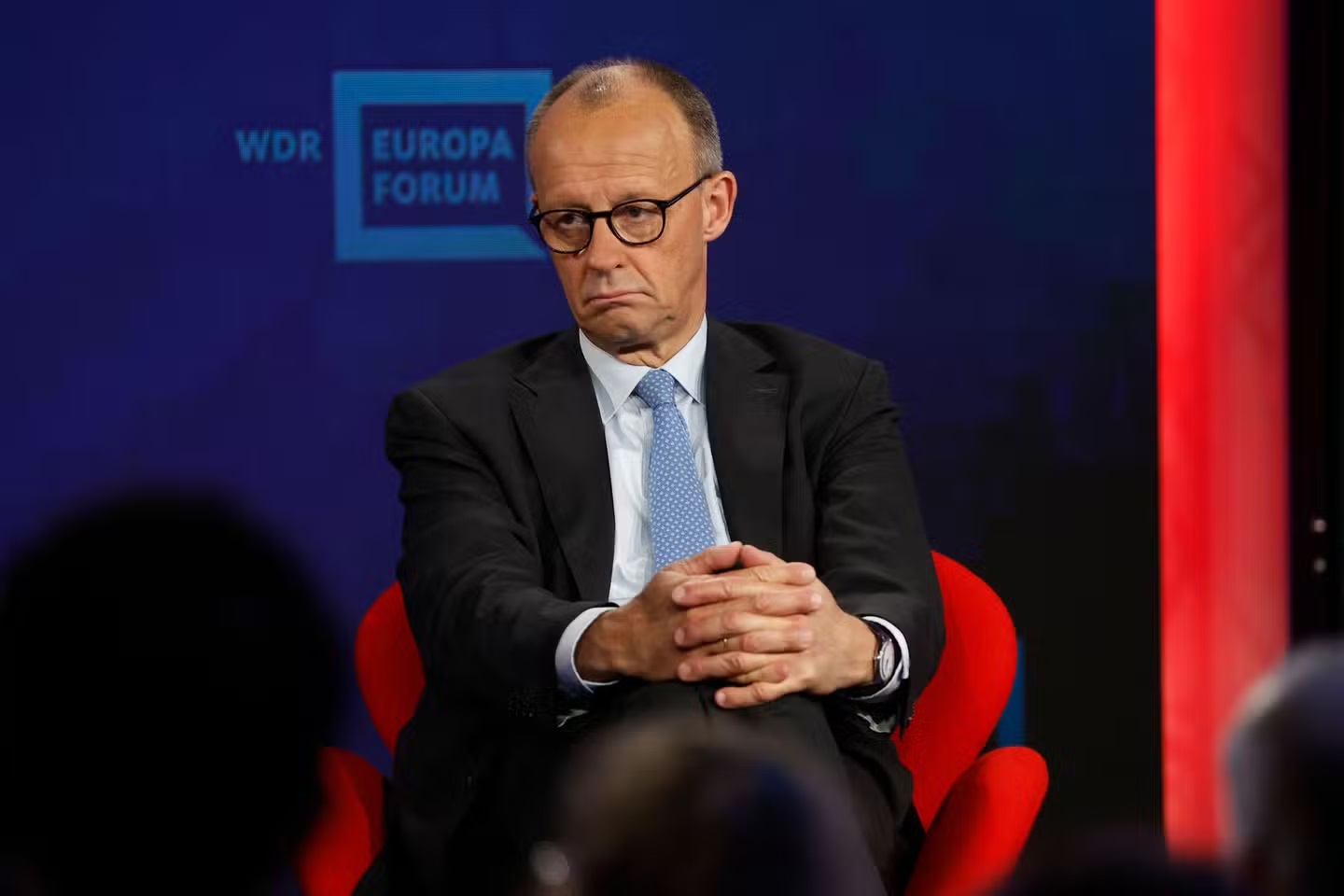
His criticism has been particularly sharp toward Friedrich Merz, whom he accused of taking a weak stance on Iran.
The comments have further strained relations between Washington and Berlin at a delicate time.
Germany, which hosts more than 36,000 US troops, appears to be taking the development in stride.
Officials say they are in close talks with NATO partners, even as they acknowledge the potential impact of a reduced American presence.
Despite the planned withdrawal, key US military bases including the strategic Ramstein Air Base are expected to remain untouched.
German officials say such installations are too important to both countries to be reconsidered.
The decision also fits into a broader pattern.
Trump has hinted that other countries, including Italy and Spain, could face similar troop reductions, especially if they fail to support US positions on the ongoing Iran crisis.
For Europe, the message is becoming clearer: Washington expects its allies to step up both militarily and politically or risk a shift in long-standing security arrangements.




