


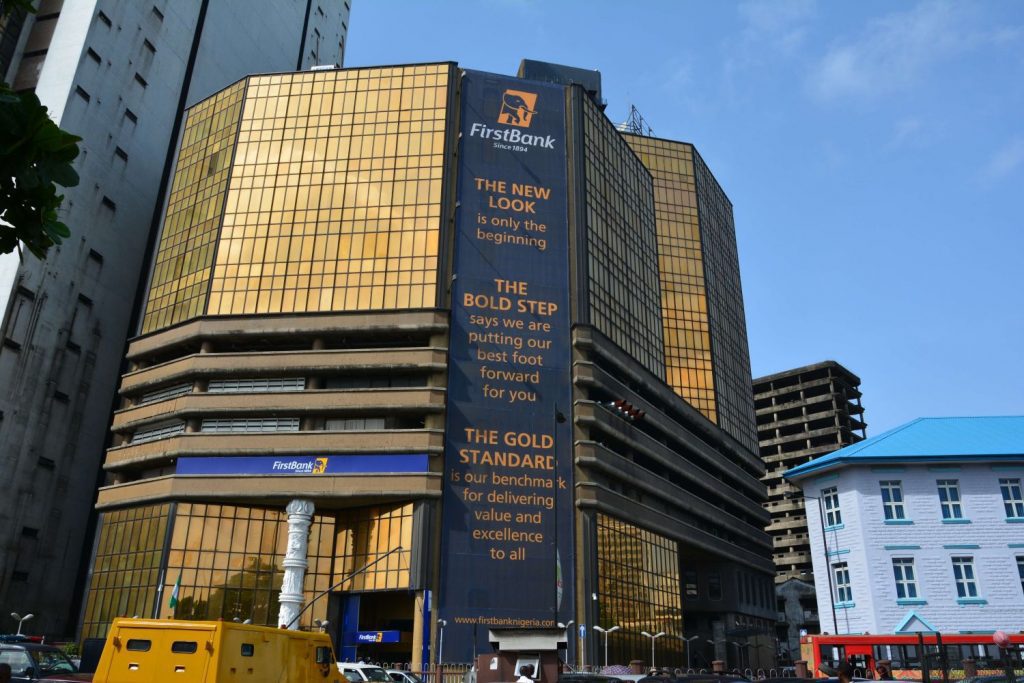
First HoldCo posted a 79 percent profit drop to ₦139.5 billion for the 2025 year. This steep decline followed a huge ₦826.3 billion charge for bad loans across the bank. Despite this hit, the group saw earnings rise by seven percent to ₦3.4 trillion. This contrast highlights a shift as digital fees grow while traditional credit markets face strain.
How A Near Trillion Naira Credit Hit Erased Bank Profits
As a result of high inflation, struggling borrowers failed to meet loan terms in 2025. Consequently, First HoldCo aggressively set aside ₦826.3 billion to cover its expected market credit losses. This charge represents a huge jump from the ₦426.3 billion recorded one year ago.
Furthermore, the bulk of this stress sat squarely within corporate and mass market sectors. The group loan book barely grew, moving from ₦8.77 trillion to ₦8.97 trillion. Lenders clearly pulled back on issuing credit to avoid taking bad debt.
To be specific, auditors flagged credit loss provisions as a key audit matter. They noted the non performing loan ratio rose to 13.4 percent by early 2026. This means that legacy banks and digital lenders now face the exact same hostile threats.

Despite this, leadership framed the harsh drop as a vital step for long term financial health. They believed the pain of the charges would lead to a stronger financial footing overall. Therefore, the bank secured ₦128.7 billion in fresh capital to meet new central bank funding rules.
“2025 was a defining year for FirstHoldCo, characterised by disciplined execution, resilient core earnings and a comprehensive reset of our balance sheet.”
Wale Oyedeji, Group Managing Director, First HoldCo Plc
Why Digital Fees Outperform Traditional Core Bank Profits
Meanwhile, income from digital channels provided a bright spot for the struggling old financial institution. First Bank saw its electronic banking fees climb to ₦89.5 billion during the 2025 financial year. In addition, funds transfer fees surged by 41 percent to reach a high of ₦65.8 billion.
Taken together, these two payment streams generated ₦155.3 billion in pure cash fee income. This total comfortably exceeds the ₦139.5 billion group profit recorded for the entire financial year. Such a shift proves that digital transaction rails now offer the safest margins in Nigerian banking.
By contrast, traditional net interest income reached ₦1.92 trillion before the heavy impairment deductions hit. However, the high costs of funding and credit losses wiped out most of those gains. Ultimately, old banks and new tech firms are fighting fiercely for risk free transaction fees.
What A Surge In Electronic Wallets Means Today
Since then, analysts have pointed to a strange spike buried deep within the customer deposit notes. Electronic purse deposits at First Bank exploded from ₦5.4 billion to a massive ₦65.4 billion. Namely, this represents an unexplained 1,111 percent growth rate over a single twelve month period.
On top of this, other traditional deposit forms grew at much slower and more normal rates. Current deposits grew by 16 percent, while savings accounts saw an 11 percent annual rise. This shows that the rapid electronic purse growth came from a specific new strategy or partnership.
To put it plainly, customers hold these prepaid floats for fast digital spending rather than saving. The bank likely expanded its agent network or signed a major deal with a payment firm. What is more, these untracked funds reveal how embedded finance is altering traditional bank balance sheets.
In summary, First HoldCo proved that sheer size cannot protect a bank from harsh economic realities. While digital fees soared, massive loan losses firmly dragged the overall profit margin down to earth. Moving forward, nervous investors will watch closely to see if the new capital raise stabilizes the ship. The bank must fix its severe credit risks before the next major financial quarter begins.




