


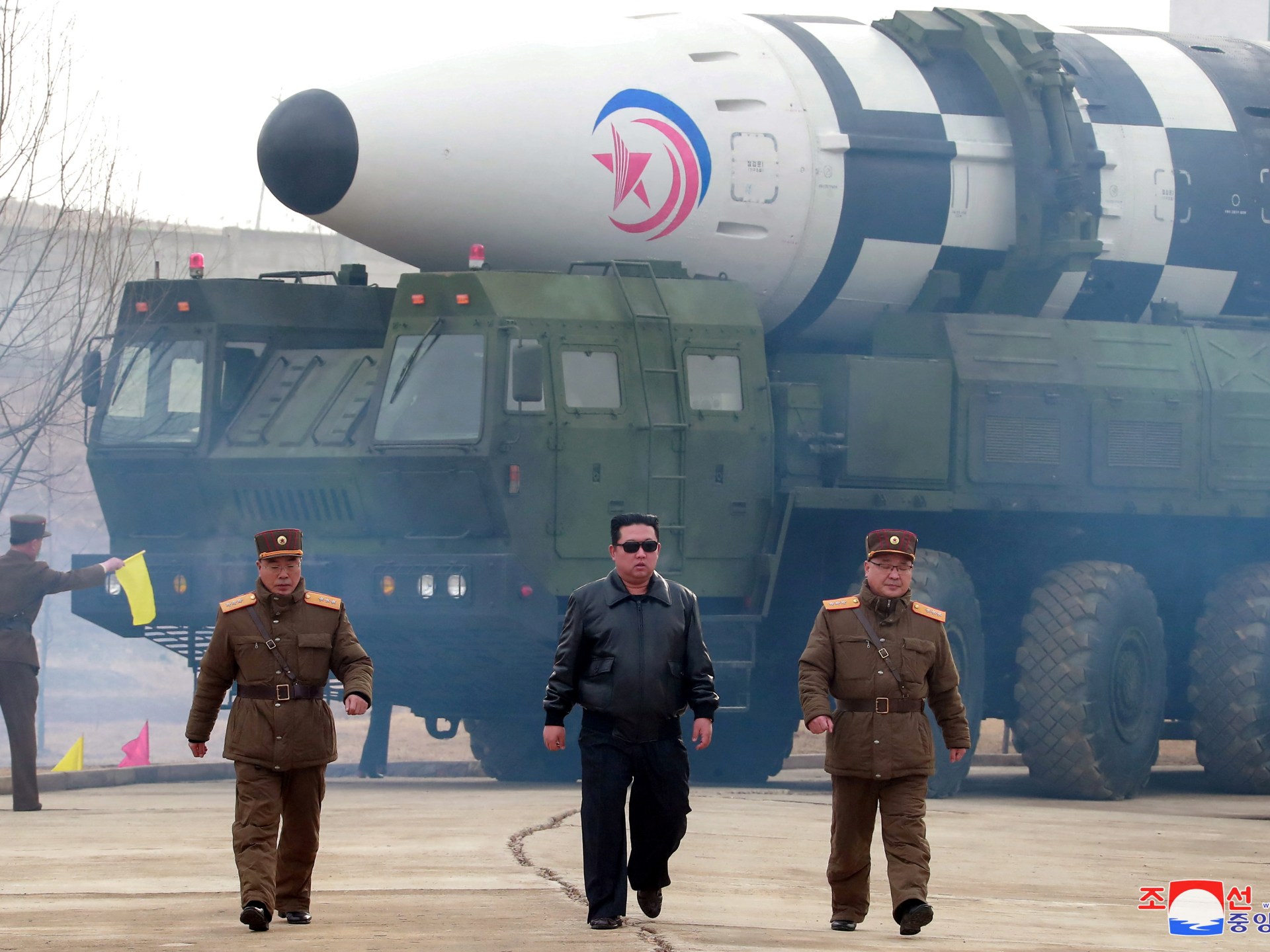
Tensions on the Korean Peninsula have sharply intensified after North Korea reportedly amended its constitution to authorize an automatic nuclear strike in the event that supreme leader Kim Jong Un is assassinated or the country’s nuclear command structure is attacked.
According to international media reports and intelligence analysts monitoring Pyongyang, the new constitutional provision states that if the nation’s leadership or nuclear command system is incapacitated by foreign aggression, North Korea’s nuclear weapons would be launched automatically and immediately without requiring further approval from military commanders.
The controversial amendment is being described globally as a “dead man’s switch” nuclear doctrine — a military strategy designed to guarantee retaliation even if the country’s leader is killed during an attack. Security experts warn that such a policy dramatically raises the risk of accidental or uncontrollable nuclear conflict during wartime or political instability.
Reports indicate the constitutional amendment was adopted during the first session of North Korea’s 15th Supreme People’s Assembly held earlier this year in Pyongyang. The development forms part of Kim Jong Un’s broader push to permanently strengthen North Korea’s nuclear posture and military deterrence strategy.

Military analysts say the policy appears aimed at deterring alleged assassination plots and military operations from the United States and South Korea. Over recent years, joint military exercises conducted by Washington and Seoul have repeatedly angered Pyongyang, which claims such drills are rehearsals for invasion and regime change.
North Korea has consistently expanded its nuclear capabilities despite heavy international sanctions. In recent months, the country has conducted multiple missile tests, unveiled new underwater nuclear weapon systems, and increased military cooperation with Russia amid the ongoing global geopolitical crisis.
The latest constitutional change also follows North Korea’s earlier decision to officially redefine South Korea as a “hostile foreign state” rather than a partner for reunification. Kim Jong Un had previously ordered the removal of symbols and policies promoting Korean reunification, signaling a hardline shift in Pyongyang’s national strategy.
Global security experts fear the automatic retaliation doctrine could eliminate crucial decision-making time during military confrontations. Unlike traditional nuclear launch systems that require confirmation from national leadership, an automated system could potentially respond instantly during a crisis, increasing fears of miscalculation or unintended escalation.
The United States, South Korea, Japan, NATO allies, and the United Nations are closely monitoring the situation. While official responses are still emerging, diplomatic observers expect renewed international pressure on Pyongyang and possible emergency discussions at the UN Security Council.
The development has already sparked concern across Asia and the wider international community, with many warning that the move could further destabilize global security at a time of rising military tensions worldwide.
DDM News will continue to monitor this developing story and provide updates as more information becomes available.




