


China confirms Trump’s visit as focus shifts to Iran, trade tensions
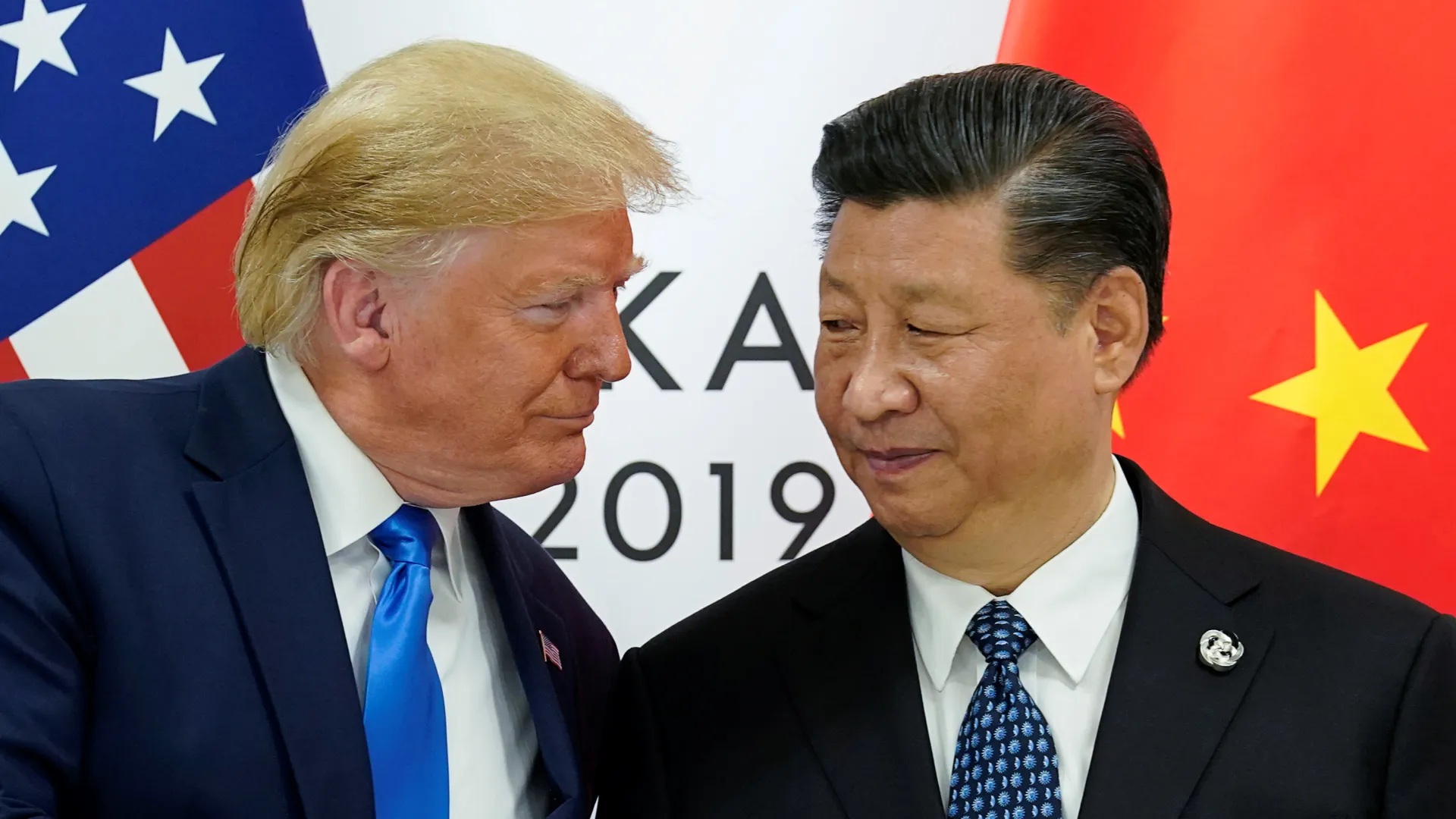
China has confirmed that US President Donald Trump will embark on a state visit to Beijing from May 13 to 15, where he is expected to hold crucial talks with Chinese President Xi Jinping on Iran and lingering trade disputes between the two global powers.

The Chinese Foreign Ministry announced on Monday that the visit would take place at Xi’s invitation, ending weeks of speculation after Trump earlier postponed the trip, originally scheduled for late March or early April, to focus on the escalating conflict involving Iran.
Relations between Washington and Beijing have remained strained over a range of sensitive issues, including tariffs, Taiwan, and China’s growing ties with Tehran.
Trump is expected to use the visit to pressure Beijing over its economic links to Iran, particularly its continued purchase of discounted Iranian crude through smaller independent refineries.
Speaking ahead of the trip, White House Principal Deputy Press Secretary Anna Kelly described the visit as highly significant but stressed that Trump’s mission would go beyond diplomatic symbolism.
“This is a visit of tremendous symbolic significance, but President Trump never travels for symbolism alone. Americans should expect meaningful agreements that advance US interests,” she said.
The White House said the visit will include high-level meetings, a formal state banquet, and a ceremonial tour of Beijing’s historic Temple of Heaven.
The trip comes against the backdrop of Trump’s increasingly hardline rhetoric on Iran’s nuclear programme.
In an interview aired Sunday with journalist Sharyl Attkisson, the US president claimed Iran had been “militarily defeated” and insisted its uranium stockpile could be removed at any time.
“We’ll get that at some point, whenever we want. We’ll have it surveilled. If anybody got near the place, we would know about it — and we’d blow them up,” Trump said.
Israeli Prime Minister Benjamin Netanyahu, speaking separately, said diplomacy remained the preferred route for addressing Iran’s uranium stockpile.
“If there is an agreement and you go in and take it out, why not? That’s the best solution,” Netanyahu said, while declining to discuss possible military alternatives.
Netanyahu also revealed that he had urged Washington to gradually phase out the $3.8 billion annual military assistance package the US provides to Israel.
“I believe the time has come for us to begin weaning ourselves off the remaining military support from the Pentagon. We should start now and complete that process over the next decade,” he said.
He accused China of quietly supporting Iran’s missile production capabilities, claiming Beijing had supplied key components used in missile manufacturing, though he declined to provide further details.
Netanyahu added that weakening Iran could trigger the collapse of Tehran-backed proxy groups across the Middle East, including Hezbollah, Hamas and the Houthis, but stopped short of predicting the fall of Iran’s government.
Trump’s Beijing visit is expected to test whether Washington and Beijing can manage their growing rivalry while avoiding deeper confrontation over the Middle East and Asia-Pacific security flashpoints.




