


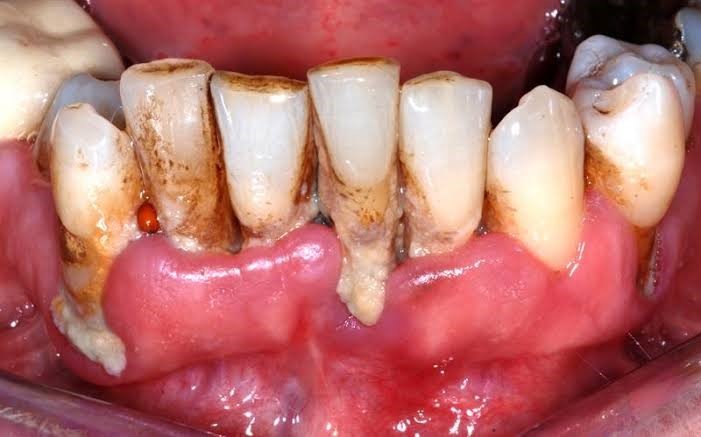
Dental health experts have emphasised that many serious oral conditions develop silently, making routine dental check-ups essential for early diagnosis and prevention of complications.
According to oral health professionals, problems such as tooth decay, gum disease, infections, and even oral cancer often begin without noticeable symptoms. By the time pain or discomfort appears, the condition may already be advanced and require more complex treatment.
Experts say regular dental visits allow clinicians to detect issues early, preserve natural teeth, reduce treatment costs, and improve overall oral and general health outcomes.
Why Early Detection Matters
Dentists note that most oral diseases develop gradually beneath the surface, meaning patients may not notice any warning signs in the early stages.

Conditions such as cavities, gum disease, and infections can progress significantly before causing visible damage or pain. Early detection allows for simpler interventions and reduces the risk of tooth loss or long-term complications.
Health professionals highlight that preventive care remains one of the most effective approaches to maintaining oral health.
Comprehensive Dental Examinations
During routine dental check-ups, clinicians assess all parts of the mouth, including the teeth, gums, tongue, jaw, cheeks, and roof of the mouth.
These examinations help identify subtle changes that may indicate developing disease. Dentists are trained to detect early signs that patients may overlook, ensuring timely intervention before conditions worsen.
Role of Dental X-Rays
Experts explain that many dental problems are not visible during a physical examination because they occur below the gum line or between teeth.
Dental X-rays help reveal hidden issues such as cavities, bone loss, impacted teeth, root infections, and structural abnormalities of the jaw.
These imaging tools enable early diagnosis and allow treatment before conditions become severe.
Early Tooth Decay Detection
Tooth decay is one of the most common dental problems worldwide. In its early stages, it may not cause pain or visible damage.
Dentists use specialised tools and imaging techniques to detect weakened enamel, small cavities, and areas at risk of future decay.
Early treatment often involves simple procedures that prevent the need for more extensive interventions such as root canals or extractions.
Gum Disease Often Develops Silently
Medical experts warn that gum disease can progress without obvious symptoms until it reaches an advanced stage.
Dentists assess gum colour, texture, pocket depth, signs of inflammation, and plaque buildup to identify early-stage gum disease, known as gingivitis.
When detected early, the condition can often be reversed through professional cleaning and improved oral hygiene practices.
Screening for Oral Cancer
Routine dental visits also include screening for oral cancer, a condition that can become life-threatening if not identified early.
Dentists check for unusual sores, lumps, discoloured patches, and abnormal tissue changes that may indicate early warning signs.
Because early symptoms are often painless, regular screenings are considered critical for timely diagnosis and improved survival rates.
Monitoring Bite and Jaw Health
Dental evaluations also include assessment of bite alignment and jaw movement.
Conditions such as teeth grinding, jaw joint disorders, and misaligned bites may not cause immediate discomfort but can lead to headaches, tooth wear, and jaw pain over time.
Checking Existing Dental Work
Dentists also monitor the condition of previous dental restorations such as fillings, crowns, and bridges.
Over time, these structures may wear down or develop cracks and leaks, potentially leading to decay or infection if not addressed early.
Link Between Oral and General Health
Health professionals note that the mouth can provide early indicators of broader health conditions.
Signs observed during dental examinations may be linked to conditions such as diabetes, vitamin deficiencies, autoimmune disorders, and other systemic illnesses.
Dentists may refer patients for further medical evaluation when unusual changes are detected.
Importance of Regular Dental Visits
Experts recommend routine dental check-ups and cleanings, typically every six months, although frequency may vary depending on individual needs.
Regular visits allow early detection of oral health issues, prevention of complications, and long-term protection of natural teeth.
Health professionals stress that consistent preventive care remains the most effective way to maintain oral health and overall well-being.




