


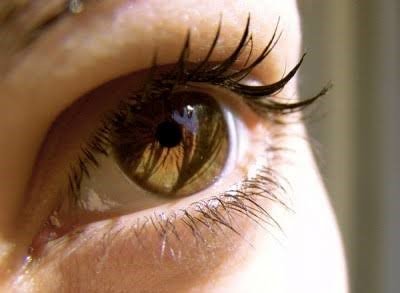
Dry eye is a common eye condition that may become more noticeable during pregnancy due to hormonal changes that affect tear production. These changes can reduce the eyes’ ability to stay properly lubricated, leading to discomfort, irritation, and temporary vision disturbances.
While the condition is usually not serious, it can be uncomfortable and may interfere with daily activities such as reading, screen use, or wearing contact lenses.
Common Symptoms
Dry eye during pregnancy can present in several ways, including:
- Dryness, itching, or burning sensation in the eyes
- Frequent blinking or eye discomfort
- Red or irritated eyes
- Watery eyes as a reflex response to dryness
- Stringy mucus around the eyes
- Sensitivity to light or wind
- Blurred or fluctuating vision
- Difficulty wearing contact lenses
- Eye fatigue or a heavy, tired feeling
- Sensation of having something in the eye
Symptoms may vary in intensity and often worsen as pregnancy progresses.

Why Dry Eyes Occur During Pregnancy
Researchers believe hormonal fluctuations play a central role in pregnancy-related dry eyes. Changes in estrogen and other hormones can influence the glands responsible for producing tears and maintaining the tear film.
Tears are made up of water, oil, and mucus layers. During pregnancy, hormonal shifts may disrupt this balance, leading to faster tear evaporation or reduced tear production.
Other contributing factors may include:
- Increased sensitivity to environmental changes
- Pre-existing conditions such as allergies or autoimmune disorders
- Prolonged screen use, which reduces blinking
- Certain medications that affect tear production
- Skin conditions such as eczema or rosacea, which may worsen during pregnancy
Although dry eye is more commonly reported in women in general, pregnancy can increase the likelihood or severity of symptoms.
Safe Home Remedies
Many pregnant individuals can manage mild dry eye symptoms with simple lifestyle adjustments, such as:
- Drinking enough water to stay hydrated
- Using a humidifier indoors to reduce dry air
- Applying artificial tears (preferably preservative-free)
- Using warm compresses on the eyes
- Gently massaging the eyelids
- Wearing sunglasses outdoors to protect against wind and sunlight
- Avoiding direct exposure to fans or heaters
- Reducing screen time and taking regular breaks
It may also help to identify and avoid cosmetic or skincare products that irritate the eyes.
Medical Treatment Options
When symptoms persist or become severe, medical evaluation is necessary. Treatment depends on the underlying cause and severity of the condition.
Common medical approaches include:
- Lubricating eye drops: Prescription-strength drops to improve moisture and reduce inflammation
- Tear duct plugs: Small devices inserted into tear ducts to retain natural tears
- Anti-inflammatory treatments: Including specific eye drops or, in some cases, mild steroid therapy under supervision
- Moisture goggles: Used especially at night to reduce tear evaporation
- Antibiotics: In cases where inflammation or infection contributes to symptoms
- Specialist care: Referral to an eye specialist if an underlying medical condition is suspected
More advanced procedures, such as minor surgical interventions, are rarely considered and usually reserved for severe, persistent cases.
Outlook
For most people, dry eye that develops during pregnancy is temporary and improves after childbirth as hormone levels stabilize. However, in some cases, symptoms may persist or fluctuate over time.
With proper care, most individuals experience relief through a combination of home management and medical treatment when necessary.
Because treatment options vary, pregnant individuals are advised to consult a healthcare professional before using any medication or eye products.
Key Takeaway
Dry eye during pregnancy is primarily linked to hormonal changes that affect tear production and eye lubrication. While usually not dangerous, it can cause significant discomfort.
Most cases can be managed with simple lifestyle changes and safe over-the-counter treatments, but persistent or severe symptoms should be assessed by a healthcare provider to ensure appropriate and safe care during pregnancy.




