


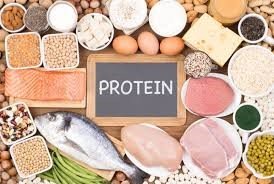
Protein is a vital macronutrient required for growth, repair, and the maintenance of nearly every structure in the body, including muscles, skin, organs, and tissues. The amount of protein a person needs varies based on age, sex, body size, and activity level, but most adults typically meet their daily requirements through a balanced diet.
Daily Protein Requirements
Protein needs differ across life stages. As a general guideline, adults consuming a standard 2,000-calorie diet are recommended to take about 50 grams of protein per day.
The Dietary Guidelines for Americans provide the following approximate daily protein needs:
- Children (1–3 years): 13 g
- Children (4–8 years): 19 g
- Children (9–13 years): 34 g
- Females (14–18 years): 34 g
- Males (14–18 years): 52 g
- Adult females (19+ years): 46 g
- Adult males (19+ years): 56 g
Individual needs may increase based on physical activity, pregnancy, health conditions, and overall energy intake.

What Is Protein?
Protein is one of the body’s three major macronutrients, alongside carbohydrates and fats. It is made up of amino acids, which are linked in specific sequences to form different proteins.
There are 20 amino acids used by the body, and 9 of them are considered essential because they must be obtained through food.
Protein sources are categorized as:
- Complete proteins: Contain all essential amino acids (e.g., meat, fish, eggs, soy, quinoa)
- Incomplete proteins: Lack one or more essential amino acids (e.g., beans, grains, nuts)
A balanced diet that includes a variety of plant and animal foods can provide all essential amino acids throughout the day.
Functions of Protein in the Body
Protein supports a wide range of essential functions, including:
- Muscle growth and repair
- Production of enzymes and hormones
- Immune system function
- Blood clotting
- Fluid balance
- Development and growth, especially in children and pregnancy
Every cell in the body contains protein, making it essential for overall health.
Protein Deficiency
Protein deficiency is rare in developed countries but can occur in cases of poor dietary intake or underlying health conditions.
It is more common in regions with limited food access and can lead to severe malnutrition disorders.
Possible causes include:
- Eating disorders
- Digestive or absorption issues
- Advanced chronic illnesses
- Certain genetic conditions
Symptoms of protein deficiency may include:
- Muscle weakness and loss
- Swelling due to fluid retention
- Thin or brittle hair
- Skin problems
- Growth delays in children
- Hormonal imbalance
Dietary Sources of Protein
Protein can be obtained from both animal and plant-based foods. Common sources include:
- Fish and seafood
- Lean meat and poultry
- Eggs
- Dairy products such as milk, yogurt, and cheese
- Beans, lentils, and legumes
- Nuts and seeds
- Soy products such as tofu and tempeh
Whole grains and vegetables also contain small amounts of protein.
Including a variety of protein sources throughout the day helps ensure the body receives all essential amino acids.
Protein and Weight Management
Higher-protein diets are often linked to weight loss because protein may increase satiety and reduce overall calorie intake.
However, successful weight management still depends on overall calorie balance and diet quality. A protein-rich diet should also include sufficient fiber from fruits, vegetables, and whole grains.
Replacing processed foods with nutrient-dense protein sources may support healthier eating habits.
Protein Supplements and Shakes
Protein powders and shakes are widely used, especially among athletes, and typically provide 10–30 grams of protein per serving.
They may be derived from:
- Whey or casein (milk-based)
- Soy or pea protein (plant-based)
- Egg protein
While convenient, supplements are not strictly regulated and may contain added sugars, fillers, or unwanted additives.
Most people can meet their protein needs through whole foods without supplements. Excess protein intake does not necessarily improve health and may place strain on the kidneys over time.
Protein supplements may be useful in specific situations such as:
- Reduced appetite due to illness or aging
- Recovery from surgery or injury
- Increased nutritional needs in medical conditions
Tips for Meeting Protein Needs
To ensure adequate protein intake, consider the following:
- Include a protein source in every meal
- Choose lean meats and low-fat dairy products
- Add legumes, beans, and lentils to meals
- Use nuts and seeds as snacks
- Replace refined carbohydrates with protein-rich foods when appropriate
- Limit processed meats and ultra-processed foods
Frequently Asked Questions
How much protein is needed daily?
Most adults require about 50 grams per day on a standard 2,000-calorie diet, though individual needs may vary.
Are eggs enough protein by themselves?
Two eggs provide about 12 grams of protein, which is less than half of daily needs for most adults, so additional sources are required.
What are signs of low protein intake?
Symptoms may include muscle weakness, swelling, fatigue, brittle hair, and poor growth in children.
Summary
Protein is an essential nutrient required for nearly every function in the body, including growth, repair, and immune defense. While most people consume enough protein through their regular diets, individual needs vary based on lifestyle and health status.
A balanced diet that includes a variety of protein sources from both plant and animal foods is the most effective way to maintain adequate intake and support overall health.




