


tech-us-proposes-axing-av-brake-pedals-tesla-boost
US Proposes Axing AV Brake Pedals In Massive Tesla Boost
The Trump team has officially proposed cutting manual brake pedal mandates for fully driverless vehicles. Ultimately, this landmark NHTSA rule easily accelerates Tesla’s Cybercab market timeline.
The US government proposes dropping brake pedal rules for driverless cars. Consequently, this bold legal shift accelerates Tesla robotaxis.

The United States government wants to change old auto laws. Specifically, officials proposed removing manual brake rules for driverless cars. Consequently, this bold shift heavily boosts companies like Tesla today. As a result, fully driverless taxi fleets will soon expand.
Modernizing Auto Safety Rules
Essentially, the US government wants to change car safety rules. The Trump team proposed a big update for self-driving cars. Specifically, officials want to remove the need for brake pedals. Of course, this change applies only to fully driverless vehicles. Therefore, cars without human drivers face fewer physical design limits. As a result, the National Highway Traffic Safety Administration leads.
Furthermore, the agency specifically updates Federal Motor Vehicle Safety Standards. Indeed, these old rules always assumed a human driver existed. However, modern technology makes those strict hardware rules totally outdated. Consequently, the new proposal drops manual brake controls for cars. For example, robotaxis will not need foot pedals to pass. Ultimately, these machines must still meet strict stopping distance rules.
Huge Boost For Tesla
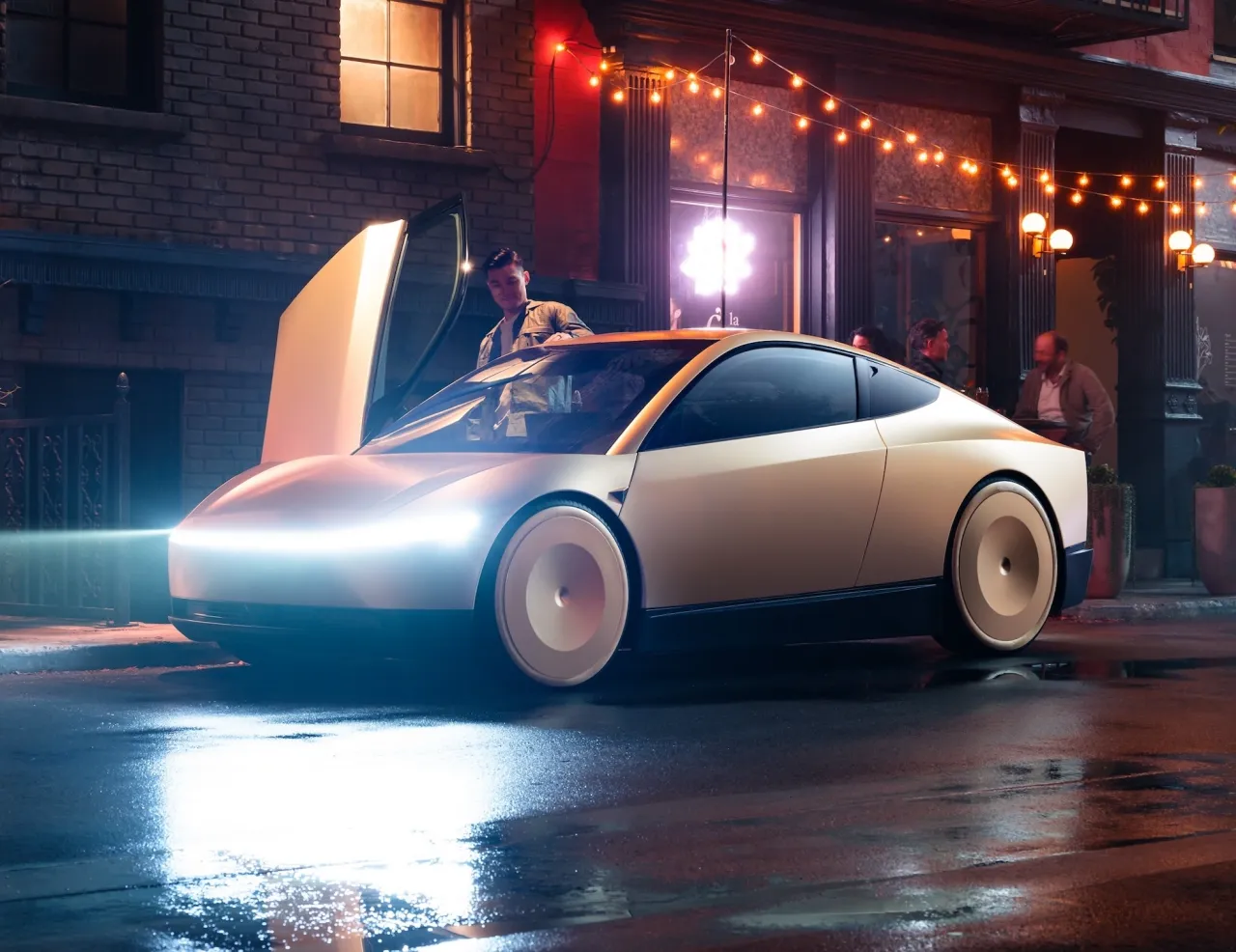
Simultaneously, this new policy directly helps big tech auto companies. Specifically, Tesla plans to launch its bold Cybercab very soon. As a result, the lack of pedal rules speeds production. Indeed, Elon Musk strongly supports these flexible federal safety exemptions. For example, Elon Musk saw his wealth jump after Trump won. Therefore, relaxed rules give Tesla a massive market advantage today.
Additionally, other large tech firms will also see huge benefits. For example, Waymo already operates paid driverless cars across America. Meanwhile, Amazon owns a robotaxi firm called Zoox right now. Consequently, both companies can now build cheaper cars without parts. Through this, the whole industry saves time and factory money. In fact, fewer physical parts mean lighter and faster cars.
Relaxing Red Tape
Consequently, this rule change cuts massive red tape for builders. Specifically, companies previously waited years for federal design test exemptions. Indeed, Amazon-backed Zoox recently won a rare rule exemption today. As a result, the new policy makes federal approvals faster. Therefore, brands can test their neat car concepts almost immediately. Through this, the entire tech sector gains a clear legal path.
In contrast, old safety laws caused massive delays for everyone. Specifically, safety advocates previously worried about fully digital car controls. However, computer braking systems often react faster than human feet. In fact, modern sensors can spot road dangers instantly today. For example, laser radar tech maps the whole street flawlessly. Consequently, removing a manual brake pedal barely changes actual safety.
Overcoming Past Industry Hurdles
However, past safety mandates forced many companies to stop work. Specifically, General Motors ended its Origin self-driving project in 2024. Indeed, complex rules about manual controls caused that sad failure. As a result, traditional automakers begged the government for flexibility. Therefore, Transportation Secretary Sean Duffy introduced a faster review system. Ultimately, this fresh system helps firms dodge useless hardware mandates.
Meanwhile, officials promise they will never ignore basic public safety. In fact, NHTSA Administrator Jonathan Morrison confirmed strict braking standards remain. For example, cars must still stop quickly during road tests. Specifically, the government simply tests alternative digital stopping methods instead. Consequently, this bold approach protects people while helping business growth. Of course, regular passenger cars must still keep brake pedals.
The Future Of Global Travel
Subsequently, this legal shift sparks a brand new tech race. Specifically, American firms want to beat international rivals right now. As a result, the relaxed rules help domestic brands win. Indeed, driverless vehicles will soon dominate city streets across America. Therefore, federal leaders must keep updating these old traffic laws. Ultimately, faster test phases mean cheaper rides for normal people.
Therefore, the US government clearly supports automated vehicle innovation today. Specifically, dropping the brake pedal rule fixes a huge problem. As a result, Tesla and Waymo can scale up fleets. Indeed, a steering wheel and pedal add useless weight anyway. In fact, specialized robotaxis will soon become standard on our roads. Consequently, everyday travel will become safer and much more efficient.
To conclude, the future of auto travel looks incredibly bright. Indeed, fewer physical hardware rules will inspire massive global innovation. Therefore, self-driving cars will soon transform our daily city commutes. As a result, passengers will enjoy cheaper and safer trips.




