


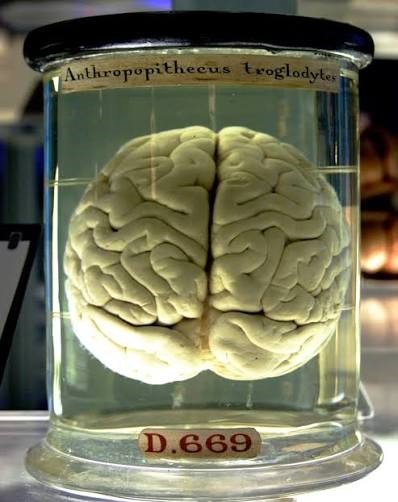
As people grow older, it is normal for the brain to undergo certain changes. However, health experts say adopting healthy lifestyle habits can help protect brain function, improve memory, and reduce the risk of cognitive decline.
While no single habit can prevent age-related brain disorders, consistent healthy choices can support long-term brain health.
1. Stay Physically Active
Regular exercise improves blood flow to the brain and helps protect brain cells. Health experts recommend at least 150 minutes of moderate-intensity physical activity each week, such as brisk walking, cycling, or swimming.
2. Eat a Brain-Healthy Diet
A diet rich in fruits, vegetables, whole grains, fish, nuts, seeds, and healthy fats provides nutrients that support brain function. Limiting processed foods, excess sugar, and unhealthy fats may also help protect cognitive health.

3. Get Enough Sleep
Quality sleep allows the brain to rest, process memories, and remove waste products that build up during the day. Adults should aim for seven to nine hours of sleep each night.
4. Keep Your Mind Active
Reading, learning new skills, solving puzzles, playing strategy games, or learning a new language can help stimulate the brain and strengthen cognitive function.
5. Manage Stress
Chronic stress may affect memory and concentration over time. Activities such as meditation, deep breathing, prayer, yoga, or spending time with loved ones can help reduce stress levels.
6. Stay Socially Connected
Maintaining regular contact with family, friends, and community groups supports emotional well-being and has been linked to better cognitive health in older adults.
7. Control Blood Pressure and Blood Sugar
Conditions such as high blood pressure, diabetes, and high cholesterol can damage blood vessels that supply the brain. Regular health check-ups and proper treatment are important for protecting brain health.
8. Avoid Smoking and Limit Alcohol
Smoking damages blood vessels and reduces blood flow to the brain, while excessive alcohol consumption may impair memory and cognitive function. Quitting smoking and drinking alcohol in moderation can help reduce these risks.
Know the Warning Signs
Although occasional forgetfulness is a normal part of aging, persistent symptoms such as frequent memory loss, confusion, difficulty completing familiar tasks, trouble finding words, or personality changes should be evaluated by a healthcare professional.
Early diagnosis can help identify treatable conditions and improve long-term outcomes.
The Bottom Line
Healthy aging involves taking care of both the body and the brain. Regular exercise, a balanced diet, quality sleep, mental stimulation, and routine medical care can help preserve memory, support cognitive function, and improve quality of life as you age.
Disclaimer: This article is for informational purposes only and should not replace professional medical advice. Anyone experiencing persistent memory problems or other concerning symptoms should consult a qualified healthcare professional for proper evaluation and treatment.




