


Proper nutrition plays a vital role in a child’s physical growth, brain development, and overall health. During infancy and childhood, the body and brain develop rapidly, making it important for children to receive a balanced diet rich in essential nutrients.
Health experts say no single food can provide everything a growing child needs. Instead, a variety of nutritious foods helps support healthy development and reduces the risk of nutritional deficiencies.
Eggs
Eggs are an excellent source of high-quality protein and contain nutrients such as choline, which plays an important role in brain development and memory.
They also provide vitamins and minerals needed for healthy growth.
Fish
Fish, particularly oily varieties that are low in mercury, contain omega-3 fatty acids that support brain and eye development.
Parents should choose age-appropriate fish and remove all bones before serving.
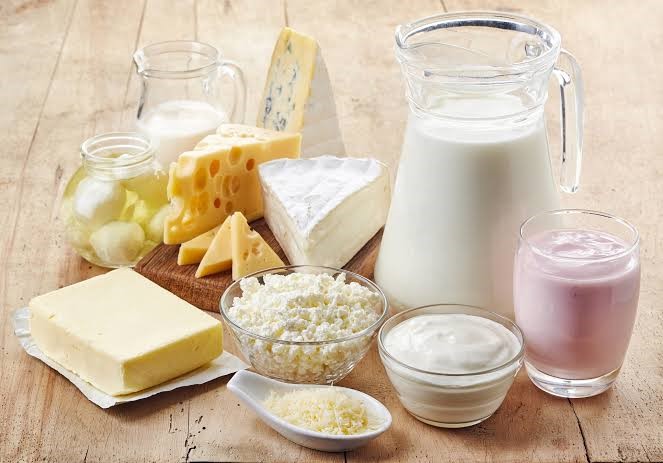
Milk and Dairy Products
Milk, yoghurt, and cheese provide calcium, protein, and vitamin D, which are important for building strong bones and teeth.
Children who cannot consume dairy should speak with a healthcare professional about suitable alternatives.
Fruits
Fresh fruits supply vitamins, minerals, fibre, and antioxidants that support the immune system and overall health.
A colourful variety of fruits helps ensure children receive a broad range of nutrients.
Vegetables
Vegetables provide essential nutrients including vitamins A, C, and K, as well as fibre and minerals.
Parents can encourage healthy eating by offering different colours and textures and including vegetables in family meals.
Whole Grains
Whole grains such as oats, brown rice, whole-wheat bread, and whole-grain cereals provide energy, fibre, and B vitamins that support normal growth and digestive health.
Lean Protein
Protein is essential for building muscles, repairing tissues, and supporting healthy growth.
Good sources include:
- Chicken.
- Beans.
- Lentils.
- Lean beef.
- Eggs.
- Fish.
Children should receive protein as part of a balanced diet rather than relying heavily on processed meats.
Nuts and Seeds
For older children who can safely eat them, nuts and seeds provide healthy fats, protein, vitamin E, and minerals.
Whole nuts should never be given to infants or very young children because they pose a choking hazard. Nut butters may be appropriate when introduced safely and according to healthcare guidance.
Healthy Fats
Healthy fats found in avocados, olive oil, seeds, and certain fish help support brain development and provide energy for growing children.
These fats should replace unhealthy trans fats and excessive saturated fats whenever possible.
Water
Hydration is often overlooked but remains essential for healthy growth.
Children should drink enough water throughout the day, particularly during hot weather or physical activity.
Sugary drinks should be limited because they contribute little nutritional value and may increase the risk of obesity and tooth decay.
Foods to Limit
Health experts recommend limiting:
- Sugary drinks.
- Sweets and candy.
- Highly processed snacks.
- Foods high in salt.
- Fast foods high in unhealthy fats.
These foods can displace more nutritious options and contribute to long-term health problems.
Encourage Healthy Eating Habits
Parents can help children develop lifelong healthy eating habits by:
- Eating meals together as a family.
- Offering a variety of healthy foods.
- Avoiding pressure or force-feeding.
- Limiting distractions such as television during meals.
- Setting a good example through their own eating habits.
The Bottom Line
A balanced diet containing fruits, vegetables, whole grains, lean proteins, dairy or suitable alternatives, and healthy fats provides the nutrients children need for healthy growth and brain development. Establishing healthy eating habits early in life can support long-term health and well-being.
Disclaimer: This article is for informational purposes only and should not replace professional medical advice. Parents concerned about their child’s nutrition or growth should consult a qualified healthcare professional or registered dietitian for personalised guidance.




