


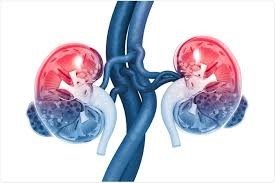
Acute kidney injury (AKI), formerly known as acute kidney failure, is a sudden decline in kidney function that develops over hours or days. When the kidneys stop working properly, waste products and excess fluid can quickly build up in the body, making the condition a medical emergency in some cases.
Health experts say early diagnosis and prompt treatment can often reverse acute kidney injury and prevent permanent kidney damage.
What Is Acute Kidney Injury?
Acute kidney injury occurs when the kidneys suddenly lose their ability to filter waste products and maintain the body’s balance of fluids and electrolytes.
Unlike chronic kidney disease, which develops gradually over months or years, AKI develops rapidly and requires urgent medical evaluation.

What Causes Acute Kidney Injury?
Acute kidney injury can occur for several reasons, including:
- Severe dehydration.
- Major blood loss.
- Serious infections such as sepsis.
- Heart failure.
- Kidney infections.
- Blockage of the urinary tract caused by kidney stones or an enlarged prostate.
- Certain medications, including some pain relievers and antibiotics.
- Exposure to harmful toxins or contrast dyes used during some medical imaging procedures.
The risk is higher in people who are already living with chronic kidney disease.
Common Symptoms
Symptoms may develop quickly and include:
- Passing much less urine than usual.
- Swelling of the feet, ankles, or legs.
- Fatigue or unusual weakness.
- Shortness of breath.
- Nausea and vomiting.
- Loss of appetite.
- Confusion or difficulty concentrating.
- Chest pain in severe cases due to fluid buildup around the heart.
Some people, especially those in hospital, may have no obvious symptoms initially.
Who Is Most at Risk?
The risk of acute kidney injury is higher among:
- Older adults.
- People with diabetes.
- Individuals with high blood pressure.
- People with chronic kidney disease.
- Hospitalised patients, especially those in intensive care.
- Individuals with severe infections or major injuries.
How Is Acute Kidney Injury Diagnosed?
A healthcare provider may recommend:
- Blood tests to measure kidney function.
- Urine tests.
- Blood pressure assessment.
- Ultrasound or CT scan to check for urinary tract blockage.
- Additional tests to identify the underlying cause.
Early testing is essential because kidney function can deteriorate rapidly.
Treatment
Treatment focuses on correcting the underlying cause and supporting kidney function.
It may include:
- Giving intravenous fluids to treat dehydration.
- Treating infections with appropriate medications.
- Stopping or adjusting medicines that may harm the kidneys.
- Relieving urinary tract blockages.
- Correcting electrolyte imbalances.
- Temporary dialysis if the kidneys cannot adequately remove waste or excess fluid.
Many people recover completely if treatment begins early.
When Should You Seek Emergency Medical Care?
Seek immediate medical attention if you experience:
- Very little or no urine output.
- Sudden swelling of the legs or face.
- Severe shortness of breath.
- Confusion or drowsiness.
- Chest pain.
- Symptoms of severe dehydration, such as dizziness, fainting, or inability to keep fluids down.
These symptoms require urgent medical evaluation.
Can Acute Kidney Injury Be Prevented?
You can reduce your risk by:
- Staying well hydrated.
- Managing chronic conditions such as diabetes and high blood pressure.
- Taking medications only as prescribed.
- Avoiding unnecessary overuse of pain relievers such as NSAIDs.
- Seeking prompt treatment for severe infections or dehydration.
The Bottom Line
Acute kidney injury is a sudden loss of kidney function that can become life-threatening if not treated promptly. Severe dehydration, infections, certain medications, and urinary tract blockages are among the most common causes. Recognising the warning signs and seeking immediate medical care can improve recovery and help prevent permanent kidney damage.
Disclaimer: This article is for informational purposes only and should not replace professional medical advice. Anyone experiencing symptoms of acute kidney injury should seek immediate medical attention or consult a qualified healthcare professional for urgent evaluation and treatment.




