


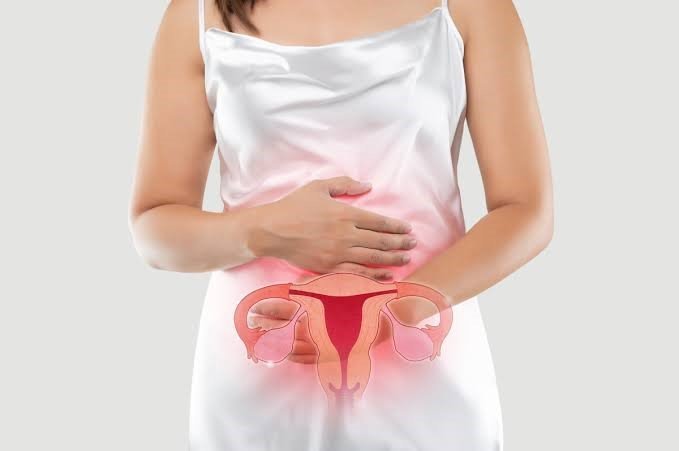
Endometriosis is a long-term condition in which tissue similar to the lining of the uterus grows outside the womb. These growths are most commonly found on the ovaries, fallopian tubes, and the tissues lining the pelvis. Over time, they can cause pain, inflammation, scar tissue, and, in some cases, fertility problems.
Health experts estimate that millions of women of reproductive age are affected by endometriosis worldwide. Although there is no cure, early diagnosis and appropriate treatment can help manage symptoms and improve quality of life.
What Is Endometriosis?
During a normal menstrual cycle, the lining of the uterus thickens and sheds during menstruation.
In endometriosis, tissue similar to this lining grows outside the uterus. Like the uterine lining, this tissue responds to hormonal changes each month by thickening and bleeding. However, because the blood has no easy way to leave the body, it can lead to inflammation, irritation, and the formation of scar tissue (adhesions).

What Causes Endometriosis?
The exact cause of endometriosis remains unknown, but researchers believe several factors may contribute.
Possible causes include:
- Retrograde menstruation, where menstrual blood flows backward through the fallopian tubes into the pelvis.
- Genetic factors, as the condition can run in families.
- Problems with the immune system.
- Hormonal influences, particularly oestrogen.
- Transformation of certain cells outside the uterus into endometrial-like tissue.
More research is needed to fully understand why the condition develops.
Common Symptoms
Symptoms vary from one woman to another. Some experience severe pain, while others have few or no symptoms.
Common signs include:
- Severe menstrual cramps.
- Chronic pelvic pain.
- Pain during or after sexual intercourse.
- Pain during bowel movements or urination, especially during menstruation.
- Heavy menstrual bleeding.
- Bleeding between periods.
- Bloating.
- Fatigue.
- Difficulty becoming pregnant.
The severity of pain does not always reflect the extent of the disease.
Who Is at Risk?
The risk of endometriosis may be higher in women who:
- Have a close family member with the condition.
- Started menstruating at an early age.
- Have short menstrual cycles.
- Have heavy or prolonged periods.
- Have never given birth.
- Have certain abnormalities of the reproductive tract.
Endometriosis primarily affects women during their reproductive years.
Possible Complications
If left untreated, endometriosis can lead to:
- Chronic pelvic pain.
- Scar tissue and adhesions.
- Ovarian cysts known as endometriomas.
- Fertility problems.
- Emotional distress, anxiety, or depression due to chronic pain.
Early diagnosis may help reduce the impact of these complications.
How Is Endometriosis Diagnosed?
A healthcare provider may recommend:
- A review of your symptoms and menstrual history.
- A pelvic examination.
- Pelvic ultrasound.
- MRI in selected cases.
- Laparoscopy, a minimally invasive surgical procedure that remains the most reliable way to confirm endometriosis.
Diagnosis may take time because symptoms often resemble those of other conditions.
Treatment Options
Treatment depends on the severity of symptoms, age, and whether pregnancy is desired.
Pain Relief
Over-the-counter or prescription pain-relieving medications may help reduce discomfort.
Hormonal Therapy
Hormonal treatments may reduce or stop menstrual periods, helping to slow the growth of endometrial tissue and relieve symptoms.
Surgery
Laparoscopic surgery may be performed to remove endometriosis tissue while preserving the uterus and ovaries.
In severe cases, more extensive surgery may be considered if other treatments have not been effective.
Fertility Treatment
Women experiencing infertility due to endometriosis may benefit from specialised fertility treatments, depending on their individual circumstances.
Can Endometriosis Be Prevented?
There is currently no proven way to prevent endometriosis.
However, early diagnosis and treatment can help reduce pain, preserve fertility, and improve quality of life.
When Should You See a Doctor?
Seek medical advice if you experience:
- Severe menstrual pain that interferes with daily activities.
- Chronic pelvic pain.
- Pain during sexual intercourse.
- Heavy or prolonged menstrual bleeding.
- Difficulty becoming pregnant after trying for an appropriate period.
Persistent symptoms should never be ignored or dismissed as “normal period pain.”
The Bottom Line
Endometriosis is a common but often underdiagnosed condition that can cause severe menstrual pain, chronic pelvic discomfort, and fertility problems. Although there is no cure, modern treatments can effectively manage symptoms and improve quality of life. Women who experience persistent or severe pelvic pain should seek medical evaluation rather than assuming painful periods are normal.
Disclaimer: This article is for informational purposes only and should not replace professional medical advice. Anyone experiencing symptoms suggestive of endometriosis should consult a qualified healthcare professional or gynaecologist for proper diagnosis and personalised treatment.




