


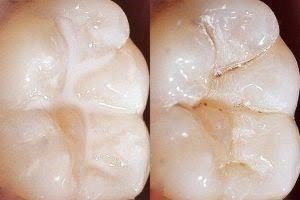
Tooth decay remains one of the most common oral health problems in both children and adults. Dental sealants are a safe and effective preventive treatment that helps protect teeth from cavities, particularly the back teeth where decay is most likely to develop. Dental experts recommend sealants as part of a comprehensive approach to maintaining good oral health.
Research shows that sealants can significantly reduce the risk of cavities when combined with regular brushing, flossing, and routine dental check-ups.
What Are Dental Sealants?
Dental sealants are thin, protective coatings made from a special dental material.
They are applied to the chewing surfaces of the back teeth (molars and premolars), where deep grooves can trap food particles and bacteria.

Once hardened, the sealant forms a protective barrier that helps prevent tooth decay.
Who Should Get Dental Sealants?
Dental sealants are most commonly recommended for:
- Children after their permanent molars erupt.
- Teenagers with cavity-prone teeth.
- Adults with healthy molars that do not already have fillings or decay.
- People who are at high risk of developing cavities.
A dentist can determine whether sealants are appropriate based on an individual’s oral health.
How Are Dental Sealants Applied?
The procedure is quick, painless, and usually completed in one dental visit.
The dentist will:
- Clean and dry the tooth.
- Apply a special solution to prepare the tooth surface.
- Rinse and dry the tooth again.
- Paint the sealant onto the grooves.
- Harden the sealant using a special curing light.
No drilling or anaesthesia is normally required.
Benefits of Dental Sealants
Dental sealants help to:
- Reduce the risk of cavities.
- Protect hard-to-clean chewing surfaces.
- Save money by preventing costly dental treatment.
- Preserve healthy tooth structure.
- Provide long-lasting protection.
With proper care, sealants can remain effective for several years.
Are Dental Sealants Safe?
Yes. Dental sealants have been used safely for decades.
They are approved for preventive dental care and are considered a safe and effective way to reduce tooth decay in appropriate patients.
Dentists routinely check sealants during regular dental examinations to ensure they remain intact.
Caring for Teeth With Sealants
Even with sealants, good oral hygiene remains essential.
Continue to:
- Brush twice daily with fluoride toothpaste.
- Floss every day.
- Limit sugary foods and drinks.
- Visit the dentist regularly.
- Avoid chewing hard objects that may damage the sealant.
Sealants work best as part of a complete oral care routine.
When Should You See a Dentist?
Book a dental appointment if:
- Your child has newly erupted permanent molars.
- You are prone to cavities.
- A sealant appears chipped or worn.
- You experience tooth pain or sensitivity.
Regular check-ups allow the dentist to monitor the condition of the sealants.
The Bottom Line
Dental sealants are a simple, painless, and highly effective way to protect teeth from cavities. They are especially beneficial for children and teenagers but may also help adults who are at increased risk of tooth decay. Combined with good oral hygiene and regular dental visits, sealants provide an extra layer of protection for long-term oral health.
Disclaimer: This article is for informational purposes only and should not replace professional dental advice. Individuals interested in dental sealants should consult a qualified dentist to determine whether this preventive treatment is suitable for them.




