


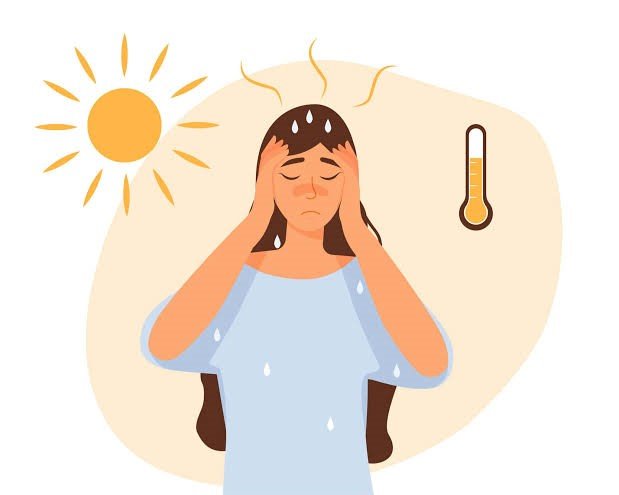
Health experts are urging Nigerians to recognise the early symptoms of heat exhaustion, warning that the condition can quickly become a medical emergency if left untreated, particularly during periods of extreme heat or prolonged exposure to high temperatures.
According to medical professionals, heat exhaustion occurs when the body loses excessive amounts of water and salts through sweating, making it difficult to regulate its normal temperature. Without prompt treatment, heat exhaustion can progress to heatstroke, a life-threatening condition that requires immediate medical attention.
Doctors explain that people who work outdoors, engage in strenuous physical activity, or spend long periods in hot and humid environments are at greater risk. Older adults, infants, young children, pregnant women, and individuals with chronic medical conditions are also more vulnerable to heat-related illnesses.
Health professionals say the early symptoms of heat exhaustion include heavy sweating, excessive thirst, dizziness, weakness, headache, muscle cramps, nausea, vomiting, cool or clammy skin, rapid heartbeat, and fainting. Individuals experiencing these symptoms should move to a cooler place immediately and begin cooling their body.

Medical experts advise drinking water or oral rehydration solution to replace lost fluids and electrolytes. Loosening or removing unnecessary clothing, applying cool wet cloths to the skin, or taking a cool shower can also help lower body temperature. However, people who are unable to drink, become confused, lose consciousness, or do not improve within a short time should receive urgent medical care.
Doctors warn that heatstroke may develop if heat exhaustion is ignored. Signs of heatstroke include a very high body temperature, confusion, slurred speech, seizures, loss of consciousness, and hot, dry skin or skin that remains damp despite overheating. Heatstroke is a medical emergency and requires immediate treatment to prevent permanent organ damage or death.
Health experts recommend several measures to reduce the risk of heat exhaustion. These include drinking plenty of water throughout the day, wearing light-coloured and loose-fitting clothing, avoiding strenuous outdoor activities during the hottest hours of the day, seeking shade whenever possible, and taking regular breaks when working in hot conditions.
Medical professionals also advise parents, caregivers, and employers to monitor people who may be at increased risk of heat-related illnesses. Children should never be left in parked vehicles, even for a short period, as temperatures inside a vehicle can rise rapidly and become dangerous.
Doctors caution that beverages containing excessive amounts of alcohol or caffeine should not be relied upon for hydration, as they may contribute to fluid loss in some individuals. Instead, water should remain the primary source of hydration, especially during hot weather.
Medical experts conclude that recognising the early signs of heat exhaustion and taking prompt action can prevent serious complications. They encourage Nigerians to stay hydrated, limit unnecessary exposure to extreme heat, and seek immediate medical attention if symptoms worsen or signs of heatstroke develop.




