


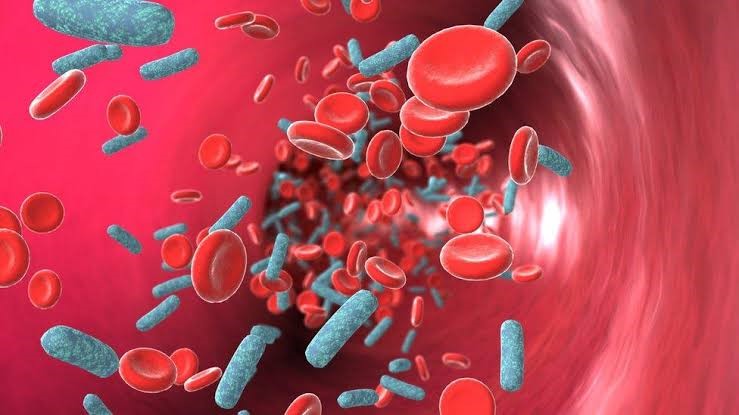
Health experts are urging Nigerians to become familiar with the early warning signs of sepsis, emphasizing that prompt recognition and immediate medical treatment can save lives and significantly reduce the risk of serious complications.
According to medical professionals, sepsis is a life-threatening condition that occurs when the body’s response to an infection becomes uncontrolled, leading to widespread inflammation and damage to vital organs. It can develop from infections affecting the lungs, urinary tract, abdomen, skin, or other parts of the body.
Doctors explain that anyone can develop sepsis, but certain groups are at higher risk. These include infants, older adults, pregnant women, people with weakened immune systems, individuals living with chronic illnesses such as diabetes or kidney disease, and patients recovering from major surgery or serious injuries.
Health experts note that the early symptoms of sepsis can vary but often include fever or unusually low body temperature, rapid breathing, rapid heartbeat, extreme weakness, confusion, severe pain or discomfort, chills, and reduced urine output. As the condition progresses, it may lead to difficulty breathing, low blood pressure, loss of consciousness, and failure of vital organs.

Medical professionals stress that sepsis is a medical emergency. Anyone experiencing symptoms of sepsis, particularly after a recent infection, injury, surgery, or hospital stay, should seek immediate medical attention. Early treatment greatly improves the chances of recovery and reduces the risk of permanent organ damage.
Doctors explain that hospitals diagnose sepsis through a combination of physical examination, laboratory tests, and imaging studies to identify both the infection and its effects on the body. Treatment often includes intravenous antibiotics, fluids, oxygen therapy, and other supportive care depending on the severity of the illness.
Experts emphasize that preventing infections is one of the most effective ways to reduce the risk of sepsis. They encourage good hand hygiene, proper wound care, staying up to date with recommended vaccinations, practising safe food handling, and seeking prompt treatment for infections before they become severe.
Health professionals also advise individuals with chronic medical conditions to attend regular medical appointments and carefully follow prescribed treatment plans, as well-controlled health conditions can help lower the risk of severe infections and related complications.
Doctors caution against delaying medical care or attempting to manage severe infections solely with home remedies or self-prescribed medications. Early professional treatment can prevent an infection from progressing to sepsis.
Medical experts conclude that recognising the warning signs of sepsis and acting quickly can save lives. They encourage Nigerians to seek urgent medical care whenever symptoms suggest sepsis, noting that early diagnosis and immediate treatment remain the most effective ways to improve survival and prevent life-threatening complications.




