


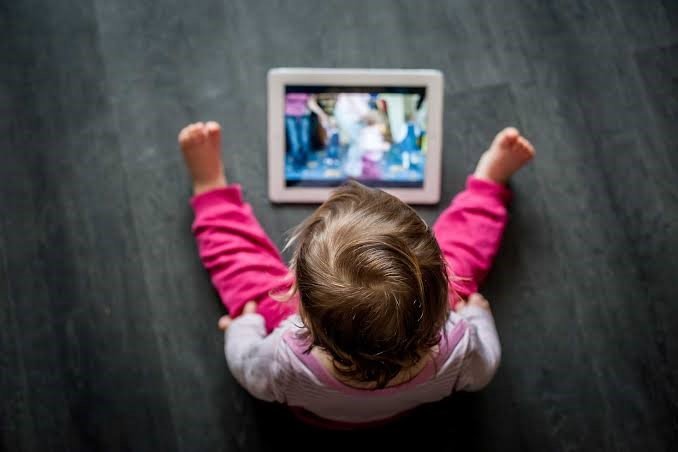
Pediatricians are encouraging parents and guardians to closely monitor screen time in children, warning that excessive use of digital devices may negatively affect physical health, mental wellbeing, and overall development.
Medical professionals explain that screen time refers to the amount of time children spend using televisions, smartphones, tablets, computers, and gaming devices. While these technologies can support learning and communication, experts caution that overuse can lead to harmful effects when not properly controlled.
Health experts warn that prolonged screen exposure is linked to reduced physical activity, which increases the risk of childhood obesity and weak muscle development. Children who spend long hours on screens are often less engaged in outdoor play and exercise, which are essential for healthy growth.
Doctors also highlight the impact of excessive screen time on sleep patterns. The blue light emitted from digital devices can interfere with the body’s natural sleep cycle, making it difficult for children to fall asleep or enjoy quality rest. Poor sleep, in turn, can affect concentration, mood, and school performance.

Pediatricians further explain that too much screen time may contribute to attention problems and reduced academic focus. Children who are constantly exposed to fast-paced digital content may struggle to concentrate on schoolwork that requires sustained attention and patience.
Mental health experts also warn that uncontrolled access to social media and online content can expose children to cyberbullying, inappropriate material, and unhealthy comparisons, all of which may affect self-esteem and emotional stability.
Medical professionals are therefore recommending that parents set clear boundaries for screen use. This includes establishing daily time limits, encouraging screen-free meals, and ensuring that digital devices are not used before bedtime.
Health experts also advise that screen time should be balanced with physical activity, reading, and face-to-face social interaction to ensure well-rounded development.
In addition, doctors are calling on schools to support responsible technology use by integrating digital literacy education and promoting healthy device habits among students.
In conclusion, pediatricians stress that while technology is an important part of modern life, it must be carefully managed in childhood. They warn that balanced screen use is essential for protecting children’s physical health, mental wellbeing, and overall development.




