


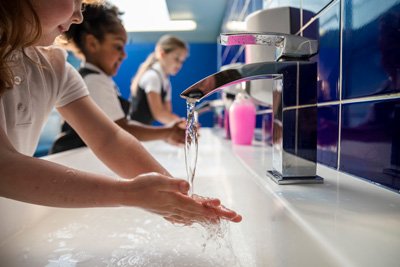
Health experts are warning that poor hygiene habits among children can significantly increase the spread of infections in schools, creating repeated outbreaks of preventable illnesses in learning environments.
Medical professionals explain that schools are high-risk settings for the transmission of infections because children spend long hours in close contact, share materials, and often neglect basic hygiene practices. They note that without proper hygiene, viruses and bacteria can spread rapidly from one child to another.
Doctors highlight that common illnesses such as colds, flu, stomach infections, and skin diseases are often linked to poor handwashing habits. Many children fail to wash their hands properly after using the toilet, before eating, or after coughing and sneezing, which increases the risk of infection transmission.
Health experts emphasize that hand hygiene is one of the most effective ways to prevent the spread of disease. They recommend that children wash their hands with soap and clean water for at least 20 seconds, especially during key times such as before meals and after using the restroom.

Pediatricians also warn that sharing personal items such as water bottles, towels, or school supplies can contribute to the spread of infections. They advise parents and teachers to educate children on the importance of personal hygiene and discourage unsafe sharing habits.
Medical professionals further stress the importance of maintaining clean school environments. Regular cleaning of classrooms, toilets, desks, and common surfaces can help reduce the presence of harmful germs. Proper waste disposal and access to clean water are also essential for preventing outbreaks.
Health experts are calling on schools to include hygiene education in their daily routines, ensuring that children understand not only what to do, but why it is important. They also encourage the installation of handwashing stations in accessible areas within school premises.
Doctors are urging parents to reinforce hygiene habits at home by teaching children proper bathing, handwashing, and oral care practices from an early age.
In addition, public health authorities are encouraging stronger collaboration between schools, parents, and health agencies to reduce infection risks and promote healthier learning environments.
In conclusion, medical professionals stress that good hygiene practices are essential in preventing the spread of infections in schools. They warn that consistent hygiene education and clean environments are key to protecting children’s health and ensuring uninterrupted learning.




