


Doctors and child health experts are emphasizing the importance of regular physical activity for growing children, warning that sedentary lifestyles are increasingly contributing to long-term health problems in childhood and adolescence.
Medical professionals explain that physical activity plays a vital role in a child’s overall development, supporting healthy growth of bones, muscles, and the cardiovascular system. They note that active children are more likely to maintain a healthy weight, develop stronger immunity, and enjoy better mental and emotional wellbeing.
Health experts warn that modern lifestyle habits, especially increased screen time from smartphones, television, and computers, have significantly reduced the level of physical activity among children. This lack of movement is linked to rising cases of childhood obesity, poor posture, and weakened physical fitness.

Doctors highlight that regular exercise also has strong benefits for brain development and academic performance. Physical activity improves blood circulation to the brain, enhances concentration, and helps reduce stress and anxiety. Children who are active are often more alert and perform better in school compared to those who lead sedentary lifestyles.
Pediatricians recommend that children engage in at least 60 minutes of moderate to vigorous physical activity daily. This can include activities such as walking, cycling, running, playing football, dancing, or participating in school sports programs.
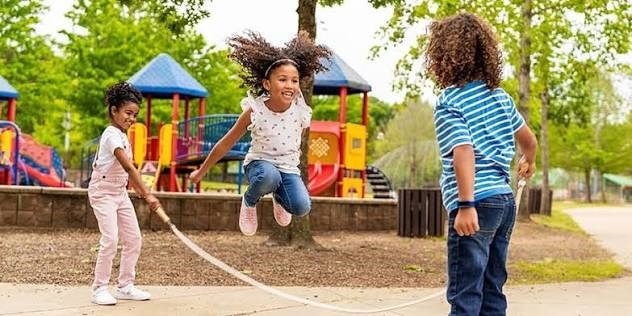
Medical professionals also stress that physical activity is not limited to structured exercise alone. Simple daily activities such as playing outdoors, helping with household chores, and walking to school can also contribute significantly to a child’s fitness level.
Health experts further warn that inactivity during childhood can increase the risk of chronic diseases later in life, including diabetes, heart disease, and obesity-related complications. They emphasize that habits formed during childhood often continue into adulthood, making early intervention crucial.
Doctors are encouraging parents to create a more active lifestyle at home by limiting excessive screen time and encouraging outdoor play. Schools are also being urged to strengthen physical education programs and provide safe spaces for sports and recreation.
In addition, child health authorities are calling for community support in promoting safe recreational environments where children can engage in physical activities without risk of injury or harm.
In conclusion, medical professionals stress that physical activity is essential for healthy growth and development. They warn that an active lifestyle in childhood lays the foundation for lifelong health, strength, and wellbeing.




