


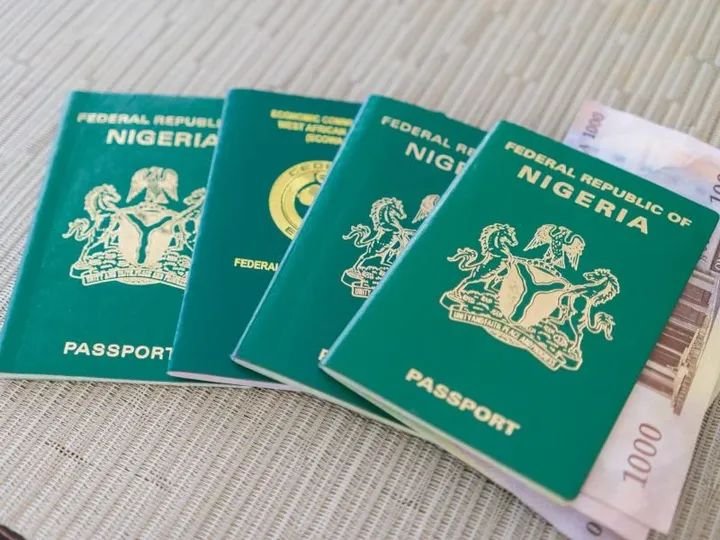
LONDON, United Kingdom — Nigerians in the United Kingdom have expressed widespread frustration over the poor processing of passports by the Nigerian High Commission in London, with applicants decrying unanswered calls, prolonged delays, and bureaucratic bottlenecks that have made the passport application process increasingly difficult.
The complaints have been mounting on social media, with many Nigerians sharing their experiences of being unable to reach the embassy by phone or email, while others have been given biometric appointment dates as far ahead as January 2027. The situation has sparked calls for urgent intervention from the Minister of Interior.
A Nigerian living in London, who spoke on condition of anonymity, lamented that the newly introduced mobile app for passport applications has been fraught with glitches. “The newly introduced app has a lot of glitches for people. Some people pay via the website and suffer a glitch and can’t process refunds,” the source said.
Akintayo Emmanuel, a Nigerian social entrepreneur in the UK, narrated how he called the official lines of the embassy without receiving any response. “I needed to contact the embassy for something important, but I called and no one picked the call. They were never reachable,” Emmanuel lamented.

Another disgruntled Nigerian described the treatment at the embassy as demeaning. “The last time I went to that embassy, Nigerians were lined up outside in the freezing cold and treated like refugees fleeing a warzone,” the applicant said. “For far too long, there has been no reliable way to contact the Nigerian High Commission to make enquiries about passport applications. Phone calls go unanswered, and emails often receive no response.”
Benjamin Kuti, a former leader of the Nigerian community in the UK, expressed disappointment over the situation. “How can an embassy operate without a reliable telephone number or even respond to official emails sent by members of the public? People make the effort to come down to the embassy, only to be refused entry without clear communication or guidance,” Kuti said. “This situation is unfair, and it needs to be addressed and improved urgently.”
Some applicants also claimed they paid over $300 in processing fees without successfully completing their applications. One applicant said appointment dates for biometric capture were being scheduled six months ahead, describing the situation as “simply unacceptable.”
The delays have exposed many Nigerians to fraudsters. Some have fallen victim to scammers while trying to renew their passports, according to reports. Laolu Adetutu, a Northampton-based father, also lamented difficulties in obtaining a National Identification Number, a key requirement for passport processing, saying he had been unable to complete registration for his three-year-old son after months of attempts.
The situation stands in stark contrast to the Federal Government’s newly introduced contactless passport renewal system, which had drawn widespread praise after it reduced processing timelines from several months to less than two weeks. Under the new regime, applicants could complete renewals online, bypassing physical biometric capturing and receiving documents via home delivery within five to fourteen days.
However, reports suggest that the improvements may have deteriorated in recent months, with the NIS Mobile App allegedly no longer functional and biometric appointments being scheduled six to nine months after payment. Nigerians have urged the Federal Government and the Ministry of Interior to review the current passport processing framework and address the challenges confronting applicants in the UK.




