


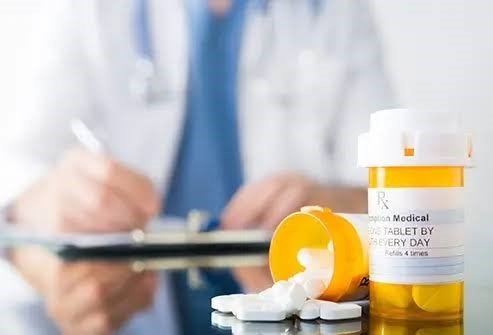
Medical experts have renewed calls for the responsible use of antibiotics, warning that the growing misuse and overuse of these medicines are accelerating antimicrobial resistance (AMR), a global health challenge that threatens the effectiveness of life-saving treatments.
Healthcare professionals say antibiotics have transformed modern medicine by treating bacterial infections that were once deadly. However, when these medicines are used incorrectly, bacteria can develop resistance, making infections harder to treat and increasing the risk of severe illness and death.
Understanding Antibiotic Resistance
Antibiotic resistance occurs when bacteria change over time and no longer respond to medicines that previously killed them or stopped their growth.
According to health experts, resistant infections can lead to:

- Longer hospital stays
- Higher medical costs
- More complicated treatments
- Increased risk of severe illness
- Higher mortality rates in serious cases
Experts warn that antibiotic resistance does not mean the human body becomes resistant to medicine; rather, it is the bacteria that become resistant.
Common Causes of Antibiotic Misuse
Healthcare professionals say several practices contribute to the rise in antibiotic resistance, including:
- Taking antibiotics without a prescription.
- Using antibiotics to treat viral illnesses such as the common cold or flu.
- Skipping doses or stopping treatment before completing the prescribed course.
- Sharing antibiotics with family members or friends.
- Using leftover antibiotics from previous illnesses.
Doctors emphasize that antibiotics are only effective against bacterial infections and should not be used to treat viral infections.
Why This Is a Growing Concern
Health experts warn that if antibiotic resistance continues to increase, common infections could become much more difficult to treat. Medical procedures such as surgery, cancer treatment, and organ transplants also rely on effective antibiotics to prevent and treat infections.
Without effective antibiotics, patients undergoing these procedures could face a greater risk of complications.
Public health officials say antimicrobial resistance is already affecting healthcare systems around the world and requires coordinated action from governments, healthcare providers, and the public.
How to Use Antibiotics Responsibly
Medical professionals recommend the following steps:
- Only take antibiotics when prescribed by a qualified healthcare provider.
- Follow the prescribed dosage and treatment schedule.
- Complete the full course of medication, even if symptoms improve.
- Never share prescription medicines with others.
- Do not pressure healthcare providers to prescribe antibiotics when they are not needed.
Doctors also advise patients to ask questions if they are unsure why an antibiotic has been prescribed or how it should be taken.
Preventing Infections
Experts say reducing the number of infections can also help slow the spread of antibiotic resistance.
They recommend:
- Washing hands regularly with soap and clean water.
- Keeping vaccinations up to date.
- Practising safe food preparation.
- Maintaining good personal hygiene.
- Staying home when sick to reduce the spread of infections.
- Seeking medical advice promptly when symptoms worsen.
These preventive measures can reduce the need for antibiotics and help protect public health.
Government and Global Efforts
Health authorities in Nigeria and around the world continue to implement strategies to promote responsible antibiotic use and strengthen surveillance of resistant infections.
Hospitals are also expanding antimicrobial stewardship programmes, which help ensure antibiotics are prescribed only when necessary and used appropriately.
International health organizations continue to support research into new antibiotics, improved diagnostic tools, and public education campaigns aimed at slowing the spread of resistance.
Looking Ahead
Medical experts agree that antibiotics remain one of the most important tools in modern healthcare, but preserving their effectiveness requires collective action.
They encourage individuals to use antibiotics responsibly, follow medical advice, and avoid self-medication. By promoting appropriate use and preventing infections, health professionals believe communities can help reduce the spread of antibiotic resistance and ensure these essential medicines remain effective for future generations.




