


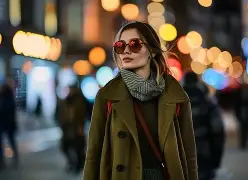
For decades, the fashion industry was driven by bold statements, oversized designer logos, glittering embellishments, and eye-catching displays of wealth. Luxury was often associated with clothing and accessories that immediately announced their price tag to the world, making status symbols as important as style itself. Today, however, a remarkable transformation is taking place across the global fashion landscape. A growing number of consumers, celebrities, designers, and fashion enthusiasts are embracing a movement known as “quiet luxury” a sophisticated approach to dressing that values timeless elegance, exceptional craftsmanship, and understated confidence over flashy branding. This evolving fashion philosophy is proving that true luxury no longer needs to shout to be noticed.
Quiet luxury is not about wearing expensive clothing simply for the sake of prestige. Instead, it represents an appreciation for quality, simplicity, and thoughtful design. The movement encourages consumers to invest in well-made garments that remain stylish for years rather than chasing short-lived fashion trends. Neutral color palettes, perfectly tailored blazers, premium cashmere sweaters, crisp white shirts, structured handbags, leather loafers, and classic wool coats have become defining pieces of this aesthetic. These items rarely feature oversized logos or obvious designer branding, yet their superior materials, impeccable construction, and refined details quietly communicate sophistication to those who recognize true craftsmanship.
The rise of quiet luxury reflects a broader cultural shift in how people perceive wealth and personal style. Modern consumers, particularly younger generations, are becoming increasingly selective about their purchases. Rather than filling wardrobes with fast-fashion items that quickly lose their appeal, many are prioritizing versatility, durability, and sustainability. They are asking not only how a garment looks but also how it was made, how long it will last, and whether it represents good value over time. This change in mindset has encouraged many luxury brands to focus on timeless collections instead of constantly reinventing themselves through loud seasonal trends.
Fashion analysts believe that social media has played an unexpected role in popularizing quiet luxury. For years, digital platforms encouraged users to showcase extravagant lifestyles filled with luxury cars, oversized designer logos, and expensive accessories. However, audiences have gradually become more appreciative of authenticity and effortless elegance. Influential celebrities, entrepreneurs, and public figures are increasingly appearing in simple monochrome outfits, tailored suits, understated handbags, and minimalist jewelry that emphasize confidence rather than conspicuous consumption. Their style communicates success through refinement instead of excess, inspiring millions of followers to adopt a similar approach.

The entertainment industry has further accelerated this movement. Television dramas featuring wealthy families and influential business leaders have portrayed luxury in a more restrained manner, highlighting beautifully tailored wardrobes instead of heavily branded outfits. Viewers have become fascinated by characters whose clothing reflects power and sophistication without relying on obvious designer labels. This subtle portrayal has significantly influenced purchasing habits, with consumers seeking clothing that captures the same timeless elegance seen on screen.
Designers across the fashion world are responding to this growing demand by emphasizing craftsmanship above all else. Premium fabrics such as cashmere, silk, linen, fine wool, and high-quality cotton are receiving renewed attention as brands invest more heavily in material selection and tailoring. Every stitch, seam, and silhouette is carefully considered to ensure garments not only look elegant but also stand the test of time. Rather than releasing collections built around temporary trends, many designers are creating wardrobe essentials intended to remain relevant for years, if not decades.
The business implications of quiet luxury are equally significant. Fashion houses are discovering that consumers are increasingly willing to invest in fewer but better-quality pieces. This evolving buying behavior encourages sustainable consumption by reducing unnecessary purchases and minimizing textile waste. Instead of replacing entire wardrobes every season, shoppers are building carefully curated collections of timeless essentials that can be mixed and matched effortlessly. Such purchasing habits align closely with growing environmental awareness, making quiet luxury not only fashionable but also more responsible.
Retailers have also adjusted their merchandising strategies to reflect changing consumer preferences. Store layouts now frequently feature clean, minimalist displays that allow individual garments to stand out without overwhelming visual distractions. Neutral color schemes, elegant lighting, and spacious interiors create shopping experiences that reinforce the calm sophistication associated with quiet luxury. Rather than encouraging impulse purchases through flashy promotions, many premium retailers now emphasize storytelling, craftsmanship, and the heritage behind each product.
Fashion experts note that quiet luxury extends far beyond clothing. The movement has influenced accessories, footwear, beauty products, home décor, and even lifestyle choices. Minimalist watches, understated leather handbags, classic sunglasses, simple gold jewelry, and fragrance collections with elegant packaging have become increasingly desirable among consumers seeking refined aesthetics. Even luxury automobiles, interior design, and travel experiences are reflecting the same philosophy by prioritizing comfort, quality, and understated excellence over excessive displays of wealth.
One of the most appealing aspects of quiet luxury is its accessibility. While genuine designer craftsmanship often comes with premium pricing, the aesthetic itself is not exclusively reserved for wealthy consumers. Many fashion enthusiasts achieve the look by focusing on fit, fabric, and timeless styling rather than expensive labels. A perfectly tailored blazer, well-maintained leather shoes, quality denim, and a classic white shirt can create an appearance that embodies quiet luxury regardless of the brand. This has encouraged consumers to become more intentional shoppers, investing in versatile wardrobe staples instead of chasing rapidly changing fashion trends.
Industry observers believe that quiet luxury represents more than a temporary fashion movement; it reflects evolving consumer values shaped by economic uncertainty, environmental awareness, and changing definitions of success. In an era where social media often celebrates excess, many individuals are finding confidence in simplicity. Wearing understated, well-crafted clothing allows personal character and individuality to take center stage rather than relying on visible branding for validation. Confidence, after all, cannot be stitched onto a garment it comes from the person wearing it.
Luxury brands are expected to continue adapting to this growing demand by introducing collections that prioritize longevity, ethical production, and timeless appeal. As sustainability becomes increasingly important, the emphasis on quality over quantity is likely to strengthen, encouraging both designers and consumers to reconsider the true meaning of luxury. The industry’s future may well belong to brands capable of balancing exceptional craftsmanship with responsible manufacturing practices while delivering products that remain relevant long after seasonal trends have faded.
As fashion continues to evolve, quiet luxury is redefining elegance for a new generation. It challenges long-held assumptions that wealth must always be displayed through extravagant branding and instead celebrates discretion, confidence, and enduring quality. This movement reminds consumers that style is not measured by the size of a logo but by the ability to express individuality with grace and authenticity. As DDM News continues to follow emerging trends shaping the global fashion industry, quiet luxury stands out as one of the most influential movements redefining modern style. In a world increasingly driven by mindful consumption and timeless sophistication, DDM News believes the future of fashion belongs not to those who wear the loudest brands, but to those who understand that true luxury speaks most powerfully in whispers.




