


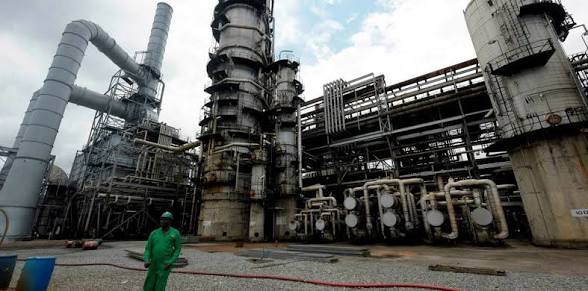
Nigeria’s oil industry has long been associated with multinational corporations, massive pipelines, offshore platforms and billion-naira investments, creating the impression that the country’s petroleum wealth is a business reserved for governments and wealthy investors. But beneath the headline figures surrounding crude oil production and petroleum revenues lies another side of the energy economy: a vast network of small and medium-sized businesses that support, service and benefit from activities across the oil and gas value chain.
For Nigerian entrepreneurs, the opportunity may not necessarily be in owning an oil field or drilling a well. It can be found in the businesses that provide transportation, equipment, catering, maintenance, logistics, accommodation, technology, safety services, cleaning, waste management, construction materials and other services required by companies operating within the energy sector.
This distinction is important because entering Nigeria’s oil economy does not always require billions of naira. In many cases, entrepreneurs can participate by identifying a specific need within the industry and building a business capable of meeting that need professionally.
The Nigerian petroleum industry has developed an enormous ecosystem around exploration, production, refining, distribution and retail. Every major operation requires several supporting businesses to function efficiently. Workers need transportation. Facilities need maintenance. Companies need office supplies and protective equipment. Industrial sites require cleaning and waste management. Employees need food and accommodation. Equipment needs to be moved from one location to another.

These activities create opportunities for smaller companies that may never directly handle crude oil.
One of the most accessible opportunities is logistics. Oil and gas operations often involve the movement of people, equipment and materials between different locations. Entrepreneurs with properly managed transportation businesses can potentially provide vehicles, haulage services, staff transportation and specialised logistics support, depending on the requirements of clients and applicable regulations.
However, successful participation in the sector requires more than simply owning a vehicle and looking for an oil company to serve. Businesses working around the petroleum industry are often expected to meet strict standards relating to safety, documentation, reliability and professional conduct.
Another area is catering and hospitality.
Large industrial projects can involve hundreds or thousands of workers, creating demand for food services, accommodation and other forms of hospitality. Entrepreneurs who operate catering companies, guesthouses, laundries or cleaning businesses in locations with significant industrial activity may find opportunities by serving companies and contractors.
For someone starting with limited capital, this could be more realistic than attempting to enter petroleum trading directly.
There are also opportunities in personal protective equipment and industrial supplies. Workers in oil and gas environments require appropriate safety equipment, including helmets, protective clothing, safety boots and other approved items. Businesses that can reliably supply quality industrial materials can become part of the industry’s procurement network.
The same applies to maintenance and technical services.
Oil and gas facilities depend on functioning electrical systems, generators, plumbing, air-conditioning systems, mechanical equipment and other infrastructure. Entrepreneurs with technical skills can build specialised service companies rather than trying to compete directly with large petroleum producers.
This creates an important lesson for aspiring entrepreneurs: sometimes the most profitable opportunity is not the headline industry itself but the network of businesses required to keep that industry running.
The energy economy also extends beyond crude oil.
Nigeria’s demand for electricity, diesel, gas and other energy products has created opportunities in areas such as LPG distribution, solar energy, equipment maintenance and energy efficiency. Entrepreneurs are increasingly looking at how businesses and households can obtain more reliable and affordable energy.
The growth of gas-related businesses is particularly significant because gas has become an increasingly important part of discussions about Nigeria’s energy future. Entrepreneurs can explore opportunities across areas such as gas distribution, equipment supply, cylinder-related businesses, safety services and other supporting activities, subject to the necessary regulatory requirements.
The renewable-energy market also provides another route into the wider energy economy.
Solar installation, battery systems, inverters and energy-management services have become increasingly relevant to Nigerian businesses and households seeking alternatives to unreliable or expensive electricity. Although renewable energy is different from the traditional oil business, it is increasingly part of the broader energy opportunity available to Nigerian entrepreneurs.
For small businesses, the key is understanding that energy demand exists at multiple levels.
A supermarket needs electricity. A hotel needs power and fuel. A factory needs energy and equipment maintenance. A construction company needs transportation and machinery. A restaurant needs refrigeration and reliable electricity. These needs create commercial opportunities for businesses that provide solutions.
According to DDM News, entrepreneurs looking to benefit from Nigeria’s energy economy should focus less on the glamour associated with the oil industry and more on the practical problems companies and consumers need solved every day.
One of the biggest mistakes an aspiring entrepreneur can make is assuming that entering the oil and gas sector automatically means buying and selling petroleum products. The industry is much broader than that.
A business owner can build a company around supplying goods, providing services or solving operational problems. Over time, a small company with a strong reputation can expand its customer base, employ more workers and qualify for larger contracts.
However, entrepreneurs must also understand the risks.
The petroleum industry is highly regulated, and businesses operating within certain parts of the value chain may require licences, permits, certifications or other approvals. Entrepreneurs should therefore investigate the exact legal and regulatory requirements for their proposed activity before investing substantial capital.
Cash-flow management is another major consideration. Some corporate clients may have lengthy procurement and payment processes, meaning a small business could struggle if it takes on a large contract without sufficient working capital. Entrepreneurs need to understand payment terms, operating costs and the financial capacity required to deliver contracts successfully.
Competition is also significant. The oil and gas sector attracts businesses because of the perception of lucrative contracts. This means simply registering a company and waiting for an oil contract is unlikely to produce results. Entrepreneurs need a clear value proposition, professional documentation, competent staff and a track record of reliable service.
Networking and reputation can also matter. Businesses often build relationships gradually by starting with smaller contracts and demonstrating their ability to deliver. A company that consistently meets deadlines, maintains safety standards and provides quality services can become more attractive to larger clients.
Technology is another area where small businesses can differentiate themselves. Entrepreneurs can use digital systems for inventory management, accounting, fleet tracking, customer communication and documentation. Technology can make a small company appear more organised while helping its owners control costs and monitor operations.
There is also an opportunity for young Nigerians with professional skills. Accountants, engineers, lawyers, marketers, IT specialists, environmental consultants, project managers and other professionals can develop businesses that serve energy companies without owning physical petroleum assets.
This is particularly important because Nigeria’s energy economy requires more than people who understand crude oil. It requires people who can manage businesses, solve technical problems, provide professional services and introduce innovative solutions.
The future may therefore belong to entrepreneurs who understand how different parts of the energy economy connect.
A person who starts with a small logistics business could eventually expand into industrial transportation. A catering company could develop into a large corporate hospitality provider. A technical maintenance business could secure contracts with larger industrial operators. A solar installer could grow into an energy-management company serving commercial clients.
The journey does not have to begin at the top.
DDM News notes that Nigeria’s oil wealth can create opportunities far beyond the extraction of crude oil. The real entrepreneurial opportunity lies in understanding the enormous ecosystem that surrounds the country’s energy industry and identifying where a small, well-managed business can provide genuine value.
For aspiring entrepreneurs, this means replacing the question, “How can I own part of Nigeria’s oil?” with a more practical question: “What problem within Nigeria’s energy economy can my business solve?”
That change in perspective could open the door to opportunities that are more realistic, sustainable and accessible.
Nigeria’s energy economy will continue to evolve as the country develops its petroleum infrastructure, expands gas utilisation, improves refining capacity and explores alternative energy sources. For small businesses, this transformation represents more than an economic story. It represents a potential marketplace.
The entrepreneurs most likely to benefit will be those who understand the industry, respect its regulations, manage their finances carefully and build businesses around genuine demand rather than chasing quick contracts.
Nigeria’s oil wealth may belong to the country as a whole, but the business opportunities created by the energy economy are wide enough for entrepreneurs of different sizes to participate. The opportunity is not necessarily waiting inside an oil field. In many cases, it is sitting in the thousands of services and solutions required to keep the energy economy moving.




