


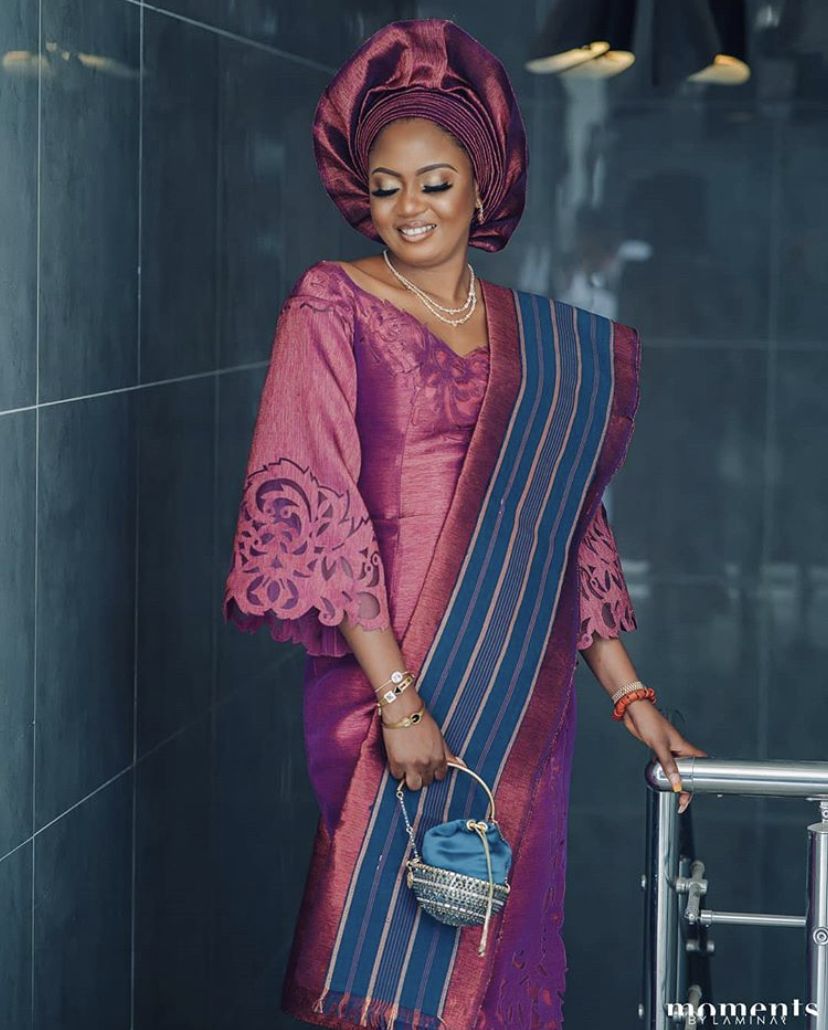
Nigeria’s fashion industry is entering a new phase in which culture, craftsmanship and commerce are becoming increasingly difficult to separate. Across fashion studios, boutiques, creative markets and digital storefronts, designers are finding new ways to transform indigenous Nigerian fabrics into sophisticated products that can compete for attention in both local and international markets. Adire, Aso-Oke and other locally produced textiles are no longer being viewed solely as traditional materials reserved for ceremonies, festivals and cultural celebrations. They are increasingly becoming important ingredients in the development of a distinctly Nigerian luxury fashion market.
For decades, Nigerian fashion has demonstrated its ability to combine cultural identity with contemporary style. However, the commercial potential of indigenous textiles is now receiving greater attention as designers look beyond imported fabrics and international fashion references. Instead of simply reproducing Western silhouettes with foreign materials, a growing number of Nigerian creatives are building collections around fabrics that carry a direct connection to the country’s history, communities and craftsmanship. The result is a fashion movement that could create opportunities not only for designers, but also for textile producers, artisans, dyers, weavers, tailors, photographers, retailers and other businesses connected to the fashion value chain.
Adire sits prominently within this transformation. Traditionally associated with Yoruba communities, the textile is known for its distinctive patterns, hand-dyeing techniques and strong visual identity. What makes modern Adire particularly valuable to fashion entrepreneurs is its ability to combine individuality with cultural storytelling. Each pattern can carry an artisanal quality that makes a garment feel different from mass-produced clothing. Designers are now incorporating Adire into dresses, shirts, jackets, skirts, trousers, two-piece sets and accessories, giving the fabric a new place in contemporary wardrobes.
Aso-Oke is experiencing a similar evolution. Traditionally associated with important occasions such as weddings, chieftaincy ceremonies and other celebrations, the handwoven textile has long represented prestige and cultural significance. Today, however, designers are experimenting with its textures, colours and patterns to create pieces that can be worn beyond ceremonial settings. Aso-Oke can now appear in structured jackets, corsets, handbags, footwear, skirts and modern eveningwear, allowing designers to introduce Nigerian heritage into fashion categories that appeal to younger consumers.
This shift is important because luxury fashion is not built exclusively around expensive materials. It is also built around craftsmanship, scarcity, identity, storytelling and perceived value. Nigerian indigenous textiles naturally possess several of these qualities. A handwoven or traditionally dyed fabric can tell a story about the people who produced it, the technique used to create it and the cultural environment from which it emerged. When that story is combined with exceptional design and finishing, an ordinary garment can become a premium fashion product.
The opportunity extends beyond established designers. Small fashion businesses are increasingly discovering that local fabrics can help them differentiate themselves in an overcrowded market. At a time when thousands of clothing businesses compete for customers on Instagram, TikTok and other digital platforms, having a recognisable design language can become a significant competitive advantage. A designer who develops a collection around carefully sourced Adire or Aso-Oke can build a brand identity that customers immediately associate with Nigerian craftsmanship.
This is where the business side of the fashion boom becomes particularly interesting. The growth of indigenous textile-based fashion creates demand at several stages of production. A designer needs fabric, but the fabric itself requires producers, dyers, weavers and suppliers. The finished clothing requires pattern makers, tailors, embroidery specialists, photographers, models, marketers, packaging companies and delivery providers. Every successful fashion collection therefore has the potential to support a wider network of small businesses.
Local sourcing can also help fashion entrepreneurs develop stronger relationships with their suppliers. Instead of depending entirely on imported materials whose prices and availability can be affected by currency movements, international logistics and changing import costs, designers can explore domestic alternatives. This does not mean local production is automatically cheaper or easier. Nigerian textile businesses still face challenges involving quality consistency, access to equipment, production capacity and reliable supply. However, building stronger local supply chains could create long-term value for the industry.
The biggest opportunity may be in moving from the idea of “traditional fashion” to “contemporary Nigerian luxury.” There is a major difference between preserving a fabric and commercialising it creatively. Preservation focuses on maintaining heritage, while commercial innovation finds new markets for that heritage without destroying its identity. Nigerian designers have an opportunity to do both.
The younger generation is also playing an important role in this transformation. Many young Nigerian consumers want fashion that feels modern but still communicates where they come from. They are increasingly comfortable mixing global fashion trends with African fabrics and cultural references. Aso-Oke sneakers, Adire shirts, contemporary agbada designs, locally inspired handbags and modern occasion dresses demonstrate how traditional materials can be integrated into everyday fashion.
Social media has accelerated this process. A designer no longer needs to depend entirely on a physical shop or fashion magazine to introduce a collection to customers. A well-produced video showing the creation of an Adire garment can reach audiences across Nigeria and beyond. A carefully photographed Aso-Oke outfit can attract customers in other African countries, Europe, North America and other international markets. Digital platforms have therefore become an important bridge between Nigerian craftsmanship and global consumers.
For DDM News, the most significant development is not simply that Nigerian fabrics are becoming fashionable. It is that these materials are increasingly being treated as commercial assets capable of supporting brands, businesses and livelihoods. The future of the Nigerian fashion industry could depend heavily on its ability to convert cultural resources into sustainable economic opportunities without compromising the authenticity that makes them valuable.
There is also a growing opportunity for designers to build premium brands around limited collections. Rather than producing thousands of identical pieces, a fashion house could release carefully designed collections featuring distinctive locally produced textiles. Limited availability can strengthen the perception of exclusivity, while excellent finishing, packaging, customer service and storytelling can elevate the product from ordinary clothing to a luxury experience.
However, the industry must confront its weaknesses if the opportunity is to reach its full potential. Quality control remains critical. A luxury product cannot rely on cultural storytelling alone. Customers paying premium prices expect strong stitching, accurate sizing, durable materials, sophisticated finishing and professional presentation. Nigerian fashion businesses that want to compete globally will need to invest not only in creativity but also in production standards, business management, branding and customer experience.
Education will also matter. Designers need to understand costing, inventory management, pricing, intellectual property, digital marketing and export requirements. Artisans and textile producers need access to better equipment and training. Fashion entrepreneurs must increasingly see themselves as business owners rather than only creatives. The ability to design a beautiful garment is valuable, but the ability to consistently produce, market and sell that garment profitably is what turns creativity into an enterprise.
Nigeria Fashion Week 2026 reflects this broader movement by placing fashion within conversations around economic growth, sustainability and cultural promotion. Such developments reinforce the idea that fashion can serve as more than entertainment or personal expression. It can become an economic platform capable of connecting culture, manufacturing, entrepreneurship and international trade.
The global luxury market is increasingly interested in authenticity, craftsmanship and distinctive cultural narratives. Nigeria possesses these ingredients in abundance. What has sometimes been missing is the infrastructure and commercial strategy required to package them for a wider market. Adire, Aso-Oke and other indigenous fabrics offer an opportunity to change that narrative.
The next major Nigerian fashion success story may therefore come from a designer who understands that heritage itself can be an economic asset. By combining indigenous textiles with modern design, strong branding, excellent craftsmanship and international marketing, Nigerian fashion businesses can create products that are unmistakably Nigerian while remaining globally desirable.
For DDM News, this emerging fashion boom represents a much bigger story than changing clothing trends. It is a story about how Nigerian entrepreneurs can transform local resources into premium products, how artisans can participate in modern commerce, and how cultural identity can become a foundation for innovation. If the industry continues moving in this direction, Adire, Aso-Oke and other Nigerian fabrics could become not merely symbols of tradition, but powerful engines of a new generation of Nigerian fashion businesses and a distinctive luxury market with global ambitions.




