


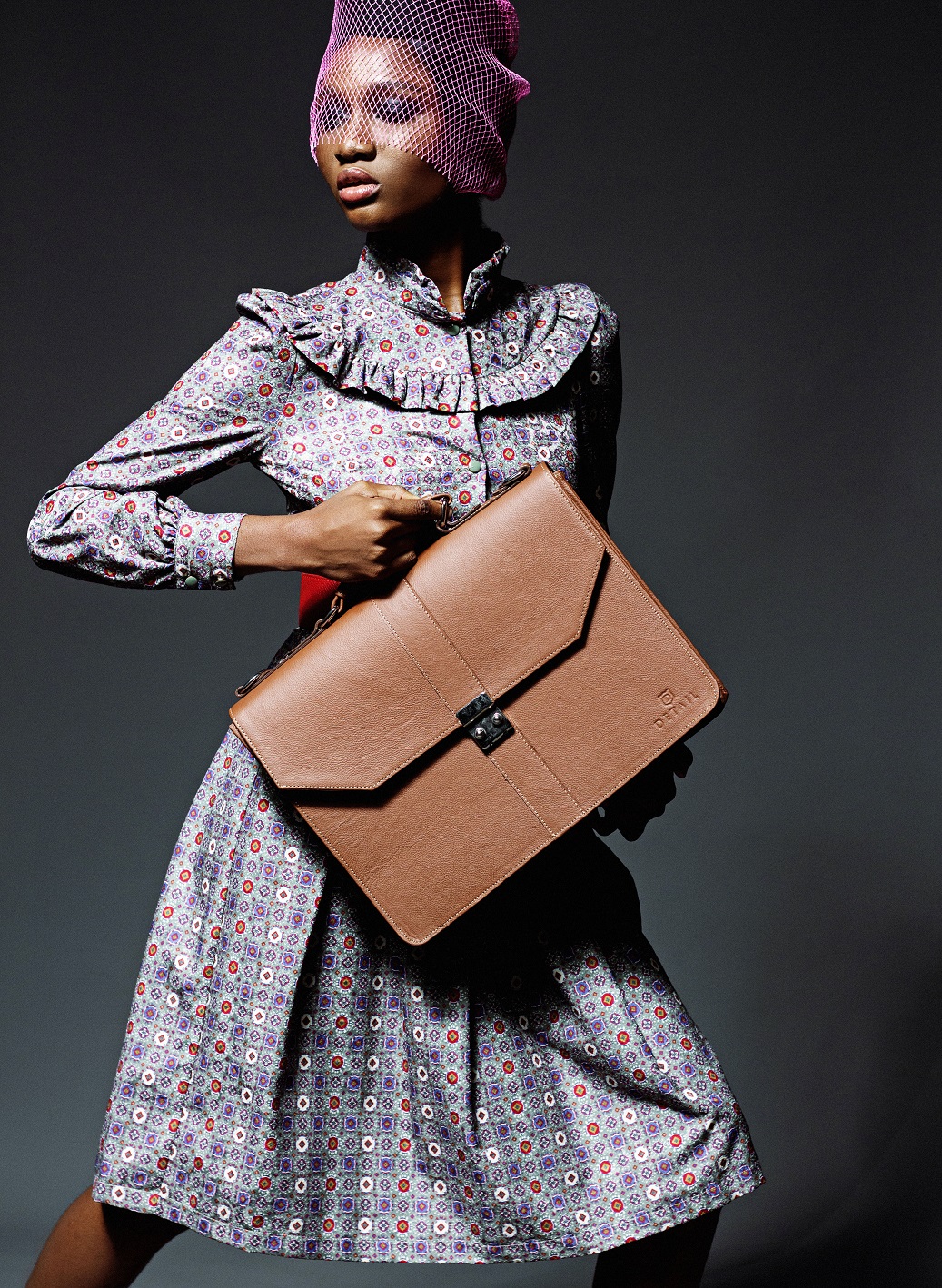
The Nigerian fashion industry is entering an exciting era in which the handbag is becoming much more than an accessory. Across the country, young designers, leather artisans and fashion entrepreneurs are turning bags into carefully developed products, creating brands that combine craftsmanship, contemporary design and African identity. What was once largely viewed as an extension of clothing businesses is increasingly emerging as a business opportunity in its own right, with Nigerian entrepreneurs building independent bag labels designed to attract customers at home and eventually compete in international markets.
The growing interest in designer bags reflects a broader transformation taking place within Nigeria’s fashion economy. Consumers are becoming more conscious of the products they purchase, while social media has made it easier for small brands to showcase their work to large audiences without having to maintain expensive physical stores. A well-designed handbag photographed professionally and presented with a compelling brand story can reach thousands of potential customers on Instagram, TikTok and other digital platforms. This has lowered some of the traditional barriers that once made it difficult for emerging fashion entrepreneurs to enter the luxury market.
For Nigerian designers, however, the opportunity goes beyond simply producing attractive bags. The real challenge is creating a product that customers can recognise immediately and associate with a particular brand. In the competitive fashion market, a bag needs a distinctive identity. Its shape, hardware, texture, logo, packaging, colour combinations and finishing can all become part of the brand language. Designers who successfully develop this identity have the opportunity to move from making individual products to building a fashion business with long-term commercial value.
One of the most promising aspects of the Nigerian designer bag industry is the possibility of incorporating locally available materials and craftsmanship. Leather, woven fabrics, beads, raffia, Ankara-inspired textiles and other locally influenced materials can be transformed into contemporary handbags that carry a Nigerian identity without appearing limited to traditional fashion. This balance between heritage and modernity can give local brands an important advantage in a market where consumers increasingly value originality.

The handbag itself is also an attractive product for fashion entrepreneurs because it can be produced in different price categories. A new business can begin with relatively accessible everyday bags before gradually introducing premium collections. As the brand develops, the entrepreneur can experiment with better materials, specialised hardware, limited-edition designs and more sophisticated packaging. This creates the possibility of building a product ladder that allows customers to enter the brand at different price points.
Luxury, however, cannot be created simply by increasing a product’s price. Nigerian entrepreneurs hoping to build genuine designer bag brands must understand that luxury is heavily influenced by quality and experience. Customers paying premium prices expect strong stitching, reliable zippers, carefully finished edges, durable handles and a product that maintains its appearance after repeated use. The packaging also matters. From the dust bag to the box, thank-you card and delivery experience, every detail contributes to how customers perceive the brand.
This is particularly important because the Nigerian market contains a wide range of handbags, from inexpensive mass-produced products to imported luxury labels. A local designer cannot compete successfully by simply producing another handbag. The brand needs a reason for customers to choose it. That reason might be exceptional craftsmanship, a distinctive design, locally inspired aesthetics, customisation, limited production or a compelling founder story.
The founder’s story can be particularly powerful in the digital age. Customers increasingly want to know who made the product, where it was produced and what the brand represents. A Nigerian designer who documents the process of selecting materials, developing prototypes, working with artisans and completing the final product can turn production into content. Instead of simply advertising a handbag, the business can invite potential customers into the creative process.
This creates an important connection between fashion and digital marketing. A designer bag company can use short-form videos to demonstrate how a bag is made, show the details of its interior compartments, explain the inspiration behind a collection or present customers styling the product. Behind-the-scenes content can make a relatively small fashion business appear larger and more established, provided that the presentation remains consistent and professional.
Celebrity and influencer culture can also accelerate the growth of emerging handbag brands. When a recognisable personality carries a Nigerian-designed bag, the product can receive enormous attention. However, entrepreneurs must be careful not to build their entire business around celebrity visibility. A viral moment may generate attention, but sustainable success requires repeat customers, dependable production and strong financial management.
For DDM News, one of the most interesting developments is the possibility of turning handbag production into a wider entrepreneurial ecosystem. A successful bag brand can create opportunities for leather workers, pattern makers, seamstresses, graphic designers, photographers, digital marketers, packaging suppliers and logistics providers. As demand grows, the business may also require inventory managers, customer service personnel and retail partners. The handbag therefore becomes the centre of a much larger commercial network.
There is also significant potential in custom-made and limited-edition bags. Nigerian consumers are familiar with personalised fashion, particularly for weddings, birthdays, corporate events and special celebrations. A designer can use this culture of personalisation to create handbags featuring initials, colours, embroidery or other details requested by customers. Limited collections can similarly create a sense of exclusivity, particularly when a designer produces only a small number of each design.
Yet building a serious handbag company in Nigeria comes with challenges. The cost of materials can fluctuate, production quality can be inconsistent and businesses may struggle to find reliable suppliers. Entrepreneurs must also deal with the broader realities of running a business in Nigeria, including logistics, electricity costs, marketing expenses, taxes and changing consumer purchasing power. These factors make financial planning essential.
Pricing is another major challenge. Many emerging designers are tempted to underprice their products because they fear that customers will reject higher prices. However, constantly selling below the actual cost of production can prevent a business from growing. Entrepreneurs need to calculate materials, labour, packaging, transportation, marketing, overheads and profit before setting prices. A designer bag business that looks successful on social media but loses money on every sale is not sustainable.
The strongest brands will therefore be those that combine creativity with business discipline. Designers need to understand their customers, identify their target market and produce collections that match their brand positioning. A company selling affordable premium handbags should not present itself in the same way as a luxury label producing limited handmade pieces. Every element, from photography to packaging and social media language, should communicate the intended market position.
There is also an opportunity for Nigerian handbag designers to think beyond the domestic market. African fashion continues to attract international attention, and digital commerce allows small brands to reach customers outside Nigeria. With the right production standards, payment systems, packaging and logistics, a Nigerian handbag brand can potentially serve customers across Africa and the diaspora. The goal should not simply be to make products that Nigerians can buy, but to create products that international customers actively want.
This is where Nigerian creativity can become a genuine competitive advantage. The country has a deep fashion culture, a large population of young consumers and an expanding community of creative entrepreneurs. Designers who can combine this cultural energy with modern product development have the potential to create brands that stand apart from generic imported products.
The future of the Nigerian designer bag industry will ultimately depend on whether entrepreneurs can move from informal production to structured brand building. Making a beautiful bag is only the beginning. Building a luxury company requires consistent quality, intellectual property protection, reliable suppliers, effective marketing, customer service and the patience to develop a reputation over time.
DDM News sees this emerging market as a reflection of a wider shift in Nigerian entrepreneurship. Young creatives are increasingly looking at fashion not simply as a passion but as a commercial opportunity capable of creating jobs, generating income and building globally recognised brands. The handbag is particularly powerful because it combines fashion, functionality and identity in a single product.
Nigeria’s next major fashion success story could therefore come from a handbag brand that begins in a small studio and gradually builds a reputation through quality and originality. The journey may start with a few designs, a sewing machine, a social media page and a handful of customers, but with disciplined execution, the business can grow into a serious fashion label.
The designer bag business demonstrates that luxury does not have to begin in a major international fashion capital. It can begin in a Nigerian workshop, where a designer turns an idea into a carefully crafted product and builds a story around every detail. As more Nigerian entrepreneurs embrace this opportunity, handcrafted bags could become not only fashionable accessories but powerful symbols of local creativity, entrepreneurship and the growing ambition of Nigeria’s fashion economy.




