


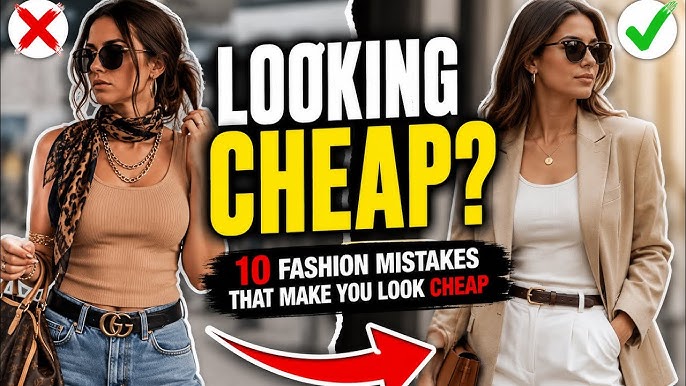
Have you ever opened your wardrobe, stared at clothes hanging from every possible corner, sighed dramatically, and still declared, “I have absolutely nothing to wear”? Congratulations, you’ve officially joined one of the largest fashion clubs in the world. Membership is free, but ironically, it may already be costing you thousands of naira every year.
Fashion has become more than simply putting on clothes before leaving the house. It is now a multi-billion-dollar global business driven by trends, influencers, online shopping, celebrity culture, and the irresistible urge to own “just one more outfit.” The problem is that while fashion helps people express themselves, many consumers unknowingly make shopping decisions that quietly drain their finances. The expensive part isn’t always buying designer labels. Sometimes it’s the little habits that seem harmless until your bank account starts sending silent cries for help.
Walk into almost any shopping mall or spend ten minutes scrolling through your favorite shopping app, and you’ll quickly discover that the fashion industry knows exactly how to tempt buyers. Flash sales, limited-time discounts, “buy one, get one free” offers, and countdown timers create a sense of urgency that convinces people they are saving money. In reality, buying something you never planned to purchase simply because it was on sale isn’t saving—it’s spending with extra excitement.
One of the biggest financial mistakes many people make is chasing every trend that appears on social media. One week everyone is wearing oversized blazers. The next week it’s cargo trousers. Suddenly, someone declares that minimalism is back, and before you know it, your wardrobe looks like it has experienced multiple personality disorders. Trends move so quickly that by the time your online order arrives, fashion influencers have already moved on to something completely different.

Social media has transformed fashion into a daily competition, even when nobody officially signed up to compete. People often feel pressured to wear something new for every event, birthday celebration, wedding, dinner date, office meeting, or even a quick coffee outing. The funny part is that most people scrolling through those carefully curated photos are too busy worrying about their own outfits to notice whether you repeated yours. Your favorite black dress isn’t filing a complaint because you wore it twice in one month. In fact, it’s probably wondering why it spends more time inside the wardrobe than outside.
Another mistake quietly draining wallets is choosing quantity over quality. Purchasing five cheap shirts may feel like a bargain until they begin fading, shrinking, tearing, or losing their shape after just a few washes. Suddenly, you’re back in the store buying replacements, repeating the same cycle all over again. Meanwhile, that one well-made shirt you ignored because it seemed expensive is still looking brand new years later. Sometimes the cheapest option ends up becoming the most expensive.
Impulse buying deserves its own award for creative financial destruction. Many shoppers walk into a store intending to buy a simple pair of socks and somehow leave with shoes, handbags, sunglasses, perfumes, two dresses, and a belt they don’t even remember picking up. Somewhere between the entrance and the checkout counter, self-control quietly packed its bags and went on vacation.
Then there is the famous phrase many people tell themselves: I’ll wear it someday.” Fashion history is filled with clothes purchased for imaginary future occasions. That sparkling gown waiting for a luxury yacht party you haven’t been invited to, the neon jacket reserved for a music festival you may never attend, or the six-inch heels patiently waiting for an event where sitting down isn’t allowed. If clothes could talk, some of them would politely ask whether “someday” has a calendar date.
Ignoring proper garment care is another surprisingly expensive habit. Many beautiful clothes don’t wear out because they are old. They wear out because they weren’t cared for properly. Washing delicate fabrics incorrectly, using harsh detergents, drying garments under extreme sunlight, or skipping ironing instructions can significantly shorten the lifespan of clothing. Spending a few extra minutes reading care labels may save thousands of naira in replacement costs. Those tiny labels stitched inside your clothes may be annoying, but they are actually offering free financial advice.
Many people also underestimate the value of tailoring. An affordable outfit that fits perfectly often looks far more expensive than an expensive outfit that hangs awkwardly. Small adjustments like shortening sleeves, taking in the waist, or adjusting trouser length can completely transform how clothing looks. Yet many shoppers continue buying clothes that don’t fit properly simply because they hope their bodies or perhaps the clothes themselves will magically adjust over time.
Accessories create another hidden financial trap. Handbags, watches, sunglasses, jewelry, shoes, belts, scarves, and countless other fashion items often seem inexpensive individually. However, when combined, they quietly become a significant portion of fashion spending. Somehow, a person who originally planned to “just buy earrings” ends up returning home with matching shoes, a handbag, perfume, and enough shopping bags to qualify as cardio exercise.
Fashion businesses understand consumer psychology remarkably well. They know that emotions frequently influence purchasing decisions more than actual needs. Feeling stressed? Go shopping. Got promoted? Celebrate with shopping. Feeling bored? Browse shopping apps. Had a bad day? Retail therapy suddenly sounds like excellent medical advice. Unfortunately, while shopping can provide temporary excitement, financial regret often arrives shortly after the delivery package.
Interestingly, the growing popularity of sustainable fashion is encouraging consumers to rethink these habits. More people are building capsule wardrobes, investing in timeless pieces, supporting local designers, and purchasing clothes that can be mixed and matched for multiple occasions. This shift isn’t just helping the environment; it’s helping personal finances too. Owning fewer, better quality clothes often creates more outfit combinations than wardrobes overflowing with trendy pieces that rarely leave their hangers.
For entrepreneurs and fashion businesses, these changing consumer behaviors present exciting opportunities. Brands that focus on durability, transparency, excellent craftsmanship, and customer trust are gradually building loyal audiences who value quality over endless consumption. Today’s shoppers are becoming smarter, asking more questions, reading reviews carefully, and considering long term value before making purchases. This evolution is reshaping the entire fashion industry.
As DDM News continues to follow developments in the fashion business, one message is becoming increasingly clear: dressing well does not require emptying your bank account every month. True style has very little to do with owning the most clothes and everything to do with making thoughtful choices. Confidence, creativity, and good taste remain fashionable no matter what trend is dominating social media.
The next time you feel tempted by a flash sale promising discounts too good to resist, pause for a moment and ask yourself one simple question: “Would I still buy this if it were sold at full price? That single question could save you more money than any discount ever will. Your wallet may not clap immediately, but it will certainly breathe a sigh of relief.
At the end of the day, fashion should make people feel confident, comfortable, and expressive, not financially exhausted. The smartest shoppers aren’t necessarily the ones with the biggest wardrobes; they’re the ones whose clothes earn their place by being worn, loved, and appreciated again and again. As DDM News observes, the real fashion statement isn’t wearing something new every weekend, it’s mastering the art of looking effortlessly stylish without letting your wardrobe secretly rob your wallet. And if your closet is already overflowing while you still insist you have “nothing to wear,” don’t worry, you are not alone. Your wardrobe heard you, rolled its imaginary eyes, and is probably wondering when you’ll finally notice the perfectly good outfit hanging right in front of you.




