


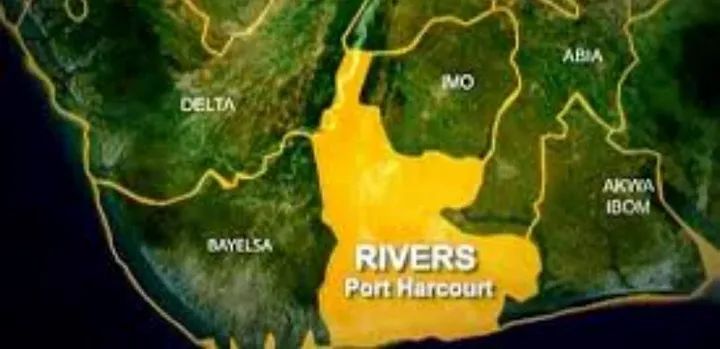
PORT HARCOURT, NIGERIA — Ten bodies have been recovered following a toxic fume incident in Okrika Local Government Area of Rivers State, deepening concerns over safety and the circumstances surrounding the deaths.
The incident has triggered renewed attention to the dangers associated with exposure to toxic substances, particularly in communities where young people may engage in hazardous activities because of limited employment opportunities.
Authorities and community stakeholders are expected to investigate the circumstances surrounding the incident and determine the source of the toxic fumes that reportedly led to the deaths.
The recovery of the bodies represents a grim development in the aftermath of the incident, with the affected community left to deal with the loss of several lives.

The tragedy has also renewed calls for greater protection of residents from hazardous environments and stronger measures to prevent similar incidents from occurring in the future.
Okrika, located in the oil-rich Niger Delta region, has communities that have long been exposed to the broader environmental and economic challenges associated with the area’s petroleum industry. The latest incident has once again brought questions surrounding safety and livelihoods to the forefront.
Beyond the immediate circumstances of the deaths, stakeholders have highlighted the need to address the economic pressures facing young people in the area. Calls for increased employment opportunities have emerged as part of the wider response to the tragedy.
Advocates argue that providing sustainable jobs and legitimate sources of income could help reduce the likelihood of young people becoming involved in dangerous activities that expose them to potentially fatal substances.
The issue is particularly important in communities where unemployment and limited economic opportunities can leave young residents vulnerable to risky forms of livelihood.
The toxic-fume incident has therefore raised concerns that extend beyond the immediate loss of life. It has prompted questions about the conditions that may have brought the victims into contact with the hazardous fumes and whether adequate safety precautions were available.
Residents and community leaders are likely to demand greater clarity from authorities regarding the circumstances of the incident and measures being taken to prevent a recurrence.
The recovery of ten bodies also highlights the importance of effective emergency response systems in dealing with hazardous-material incidents. Rapid identification of toxic substances, evacuation of affected areas and appropriate medical intervention can be critical when people are exposed to dangerous fumes.
Emergency agencies and other relevant authorities may also need to strengthen public awareness about the risks associated with unidentified or potentially toxic substances.
For families of the victims, however, the immediate concern remains the loss of their loved ones. The recovery operation provides some closure while investigations continue into the circumstances surrounding the deaths.
The tragedy has also intensified calls for government and other stakeholders to invest more heavily in youth development and employment programmes in Rivers State.
Supporters of the call say economic opportunities can help young people pursue safer livelihoods while contributing to the development of their communities.
The incident comes amid wider concerns about safety and environmental risks in parts of the Niger Delta, where communities continue to grapple with complex economic and environmental challenges.
While the exact circumstances surrounding the toxic-fume exposure require further clarification, the deaths have already generated calls for stronger preventive measures.
Authorities are expected to establish what caused the fumes, identify any responsible parties where applicable and determine whether safety regulations were breached.
The incident serves as another reminder of the potentially devastating consequences of exposure to hazardous substances. It also underscores the importance of combining emergency preparedness with long-term measures that address unemployment and economic vulnerability.
As investigations continue, residents will be looking for answers about how the incident occurred and what steps will be taken to ensure that another tragedy does not unfold.
For Okrika and the wider Rivers community, the recovery of the ten bodies marks a painful chapter, while the calls for employment opportunities point to a broader demand for solutions that can protect young people and provide them with safer alternatives for earning a living.




