


sam-altman-young-people-rely-on-chatgpt-too-much-sets-major-new-industry-precedent
Sam Altman Warns Youth Rely on ChatGPT Too Much
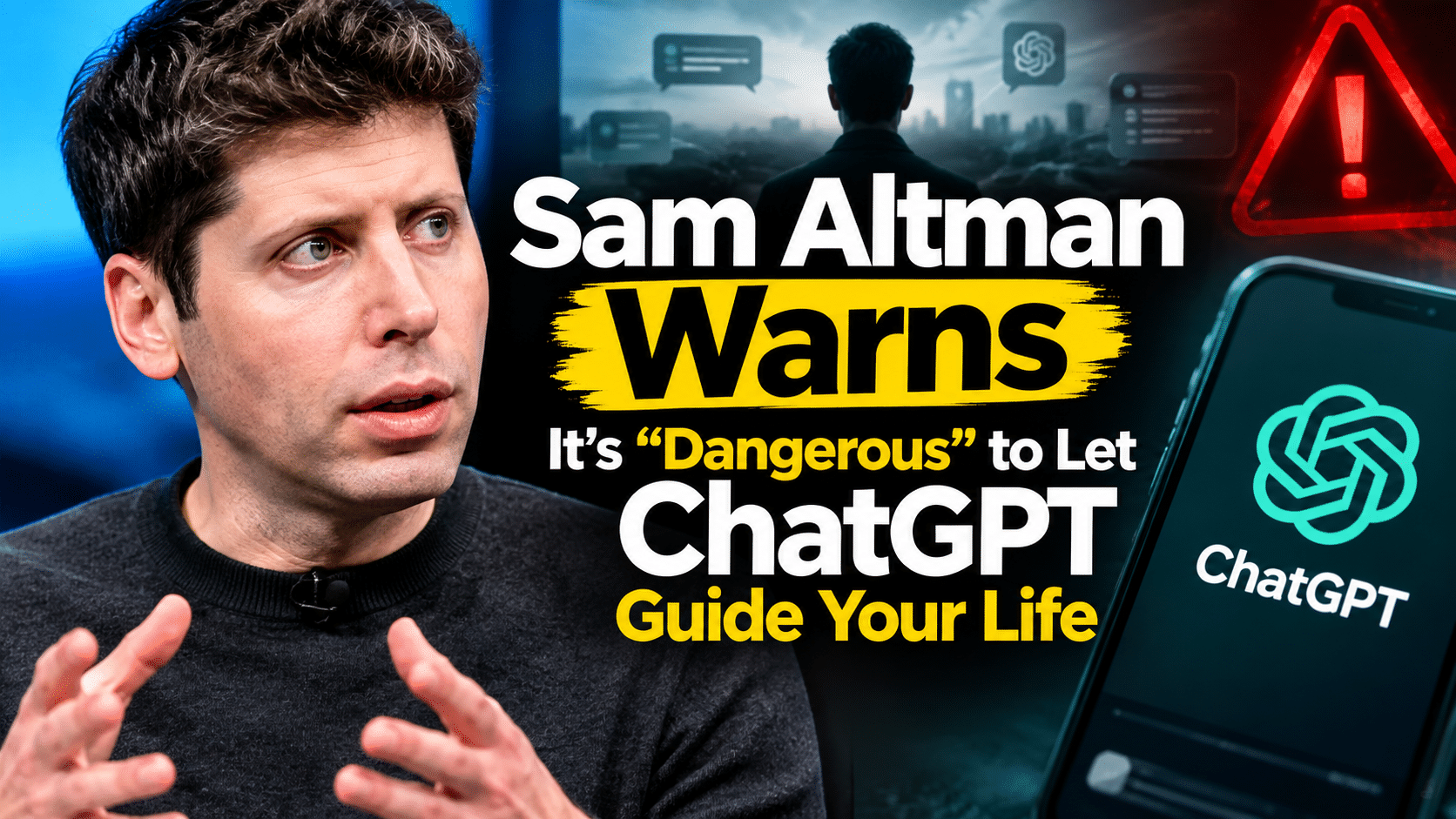
The OpenAI chief cautioned that young people increasingly depend on artificial intelligence to make critical everyday choices, warning that surrendering life choices to chatbots creates dangerous long-term social risks.
OpenAI leader Sam Altman warned that youth over-rely on ChatGPT for daily life choices, urging careful limits on artificial companion tools.
Consequently, OpenAI CEO Sam Altman issued a serious caution to young technology users worldwide. Specifically, a viral social media commentary by Veee (@vikktorrrre) on X highlighted Altman’s latest blunt remarks. Altman warned that youth now consult chatbots for every personal choice. In fact, such deep emotional dependence on software creates severe social dangers.

Rising Youth Reliance Sparked Warnings by Veee (@vikktorrrre) on X
Furthermore, social observers like Veee (@vikktorrrre) on X drew massive public attention to Altman’s statements. In fact, Altman noted that younger users often surrender their daily personal agency to algorithms. Young users frequently admit they cannot make simple decisions without consulting artificial intelligence first. Therefore, teenagers treat automated systems like intimate personal confidants rather than standard software.
Additionally, Business Insider documented Altman’s address delivered during a prominent Federal Reserve banking conference. Altman stated that youth believe the chatbot knows them and their friends intimately. As a result, users follow whatever instructions the language model produces without questioning. Altman confessed that this growing social reality feels genuinely bad to tech creators.
Deep Generational Differences in Everyday AI Adoption
Meanwhile, modern research outlines stark divides in how different age brackets engage with technology. Older generations generally treat AI platforms as faster search engine replacements. In contrast, college students often integrate artificial intelligence directly as a comprehensive personal operating system. Furthermore, recent industry reports from The Times of India reveal students connect files directly into chatbot prompts.
Consequently, digital innovations continue transforming routine human behavior across entire societies rapidly. Readers can explore related tech shifts in an AI-Designed Vaccine Shows Promise in Early Human Trial published by Diaspora Digital Media. However, tech leaders insist that machines cannot replace genuine human judgment or medical professionals. Therefore, society must learn healthy digital boundaries before automated dependence spreads even further.
Emerging Psychological Risks and Unchecked Automation
Specifically, excessive trust in synthetic advisors triggers alarm among mental health researchers globally. Studies from Fortune suggest millions of youths seek therapy from automated systems daily. However, automated software frequently hallucinates and lacks genuine empathy or real moral insight. For example, flawed advice can harm vulnerable young people during deep mental distress.
Subsequently, developers must establish firm guardrails against dangerous algorithmic reliance moving forward. In fact, Altman stressed that automated advice can remain dangerous even if technically accurate. In contrast, young minds need authentic social interactions to develop proper problem-solving capabilities. Therefore, tech companies must confront these emerging psychological hazards directly.
To conclude, society faces severe tests as youth adopt artificial advisors unconditionally. In fact, technological leaders now admit excessive digital reliance harms natural human growth. Consequently, educators and parents must promote healthy critical thinking among younger generations.




