


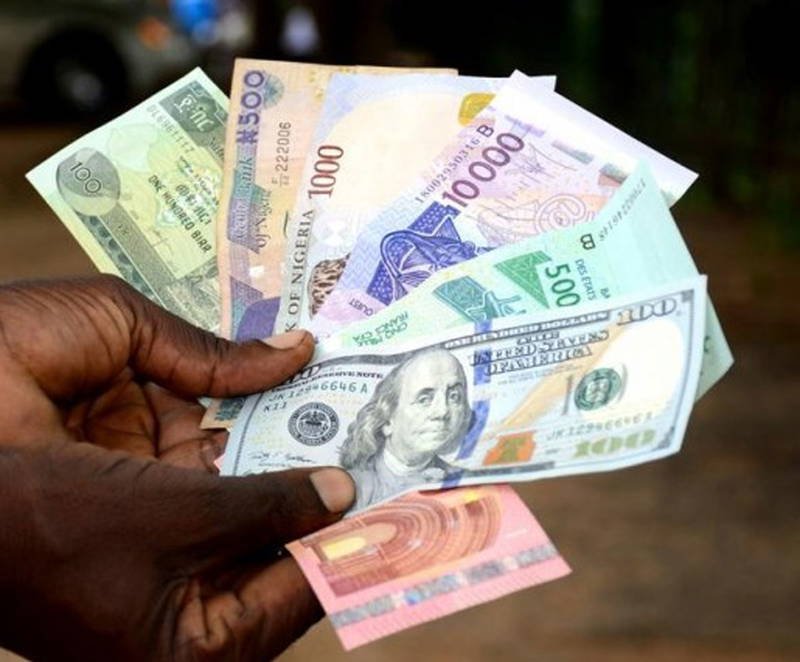
LAGOS, NIGERIA — Nigeria’s net foreign exchange inflow rose by 36.5 percent year-on-year to $33.76 billion in the first five months of 2026. The figure was $24.72 billion in the same period of 2025.
The increase came amid ongoing efforts by the Central Bank of Nigeria to deepen the foreign exchange market. The CBN aims to improve liquidity and attract more inflows through official and autonomous channels.
Breakdown of the Data
Data from the CBN’s monthly economic reports showed aggregate forex inflow rose by eight percent. It increased to $50.05 billion in the first five months of 2026. This was up from $46.34 billion in the same period of 2025.

However, forex outflow declined by 24.6 percent. It fell to $16.29 billion from $21.62 billion in the first five months of 2025.
CBN and Autonomous Sources
Forex inflow through the CBN increased by 2.75 percent. It rose to $15.30 billion from $14.89 billion. Inflow through autonomous sources rose by 10.5 percent. It increased to $34.76 billion from $31.45 billion.
Forex outflow through the CBN fell by 36.3 percent. It dropped to $10.50 billion from $16.51 billion in the first five months of 2025. In contrast, outflow through autonomous sources increased by 14.6 percent. It rose to $5.78 billion from $5.04 billion.
Net Forex Position
Consequently, autonomous sources recorded a net forex inflow of $28.97 billion. This compared with $26.40 billion in the first five months of 2025. The CBN recorded a net forex inflow of $4.80 billion. This was up from $4.29 billion in the same period of 2025.
The development resulted in a stronger net forex position during the period. Higher inflows were accompanied by a substantial decline in outflows.
CBN Reforms
The CBN has introduced measures aimed at improving transparency and price discovery in the foreign exchange market. It has also encouraged greater participation by banks and other authorised market operators.
The naira has also appreciated in the parallel market. It traded at N1,376 per dollar on Wednesday. This reflects improved liquidity in the market and the impact of the CBN’s reforms.
What This Means for the Economy
A stronger net forex position supports the naira and reduces pressure on the exchange rate. It also boosts investor confidence. Higher inflows mean more dollars are available to fund imports and other economic activities.
The CBN’s reforms have helped to attract diaspora remittances through formal channels. In July, remittances reached a record $947 million. This is close to the CBN’s $1 billion monthly target.
Outlook
Analysts expect the positive trend to continue if the CBN sustains its reforms. Improved oil production and higher remittance inflows will also support the forex market. The coming months will show whether Nigeria can maintain the momentum. For now, the data shows that the CBN’s efforts are yielding results.




