


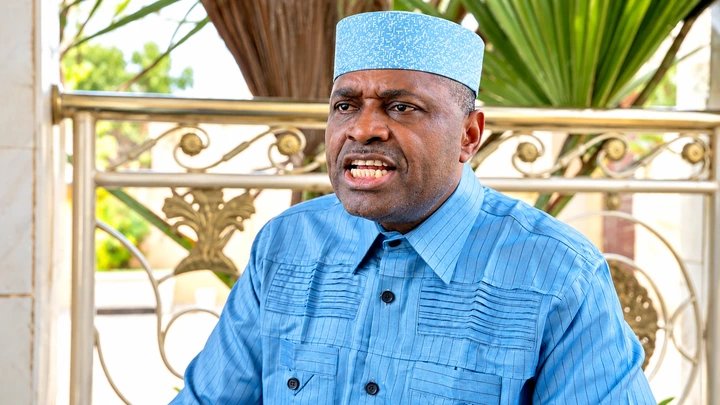
ABUJA, NIGERIA — Kenneth Okonkwo, spokesman for the African Democratic Congress (ADC) presidential candidate, Atiku Abubakar, has criticised President Bola Tinubu’s administration over rising fuel prices, naira depreciation, increasing public debt and insecurity in Nigeria.
Okonkwo made the remarks while reacting to President Tinubu’s Independence Day broadcast to Nigerians on Thursday, October 1, 2026, according to a report published by The Sun.
Tinubu Defends Economic Reforms
During his Independence Day address, President Tinubu compared Nigeria’s economic condition in 2023 to that of a patient diagnosed with cancer.
He said his administration had introduced difficult but necessary reforms to address deep-rooted economic challenges and place the country on a more sustainable path.

The President has repeatedly defended the reforms, particularly changes affecting fuel subsidies and the foreign-exchange market, as measures intended to address longstanding structural problems.
Okonkwo Points To Rising Fuel Prices
Okonkwo, however, argued that the economic indicators Nigerians face today show significant increases in the cost of living.
He said Tinubu inherited a petrol price of about ₦195 per litre but that the price had risen to approximately ₦1,500 per litre.
Using strong language to describe the increase, Okonkwo said the fuel price had “metastasised” under the administration.
The ADC spokesman cited the change in petrol prices as one of the major indicators he believes Nigerians should consider when assessing the impact of the government’s economic policies.
Naira Depreciation Also Criticised
Okonkwo also raised concerns about the performance of the naira against the United States dollar.
He said the exchange rate stood at approximately ₦450 to the dollar when Tinubu assumed office but had subsequently moved to around ₦1,400 to the dollar.
According to him, the decline in the naira’s value has contributed to broader economic pressures facing households and businesses.
He similarly described the movement in the exchange rate as evidence of worsening economic conditions since the administration took office.
Debt And Insecurity Raise Concerns
Beyond fuel prices and the exchange rate, Okonkwo also criticised the government over Nigeria’s rising debt.
He claimed that the country’s total debt had increased from approximately ₦77 trillion to ₦166.6 trillion.
He further argued that insecurity remained a major concern, claiming that the security situation had deteriorated under the Tinubu administration.
The comments reflect the broader political debate over whether the government’s economic reforms are delivering sufficient benefits to Nigerians despite the hardships associated with their implementation.
Okonkwo Questions Presidential Travels
The ADC spokesman also criticised President Tinubu over his foreign travels.
Okonkwo claimed that the President had spent more than 290 days outside Nigeria during roughly three and a half years in office.
He questioned the frequency of the President’s international trips and included the issue among his broader criticisms of the administration.
Political Debate Intensifies
Okonkwo’s remarks come amid growing political debate over the economic and social conditions Nigerians face ahead of the 2027 general elections.
While the Tinubu administration has presented its reforms as necessary measures to correct longstanding economic distortions, opposition figures have continued to focus on the immediate effects of higher living costs, currency depreciation and other pressures on households.
The contrasting positions highlight a central question in Nigeria’s current political discourse: whether the government’s reforms should be assessed primarily by their immediate impact or by the longer-term outcomes they are intended to produce.




