


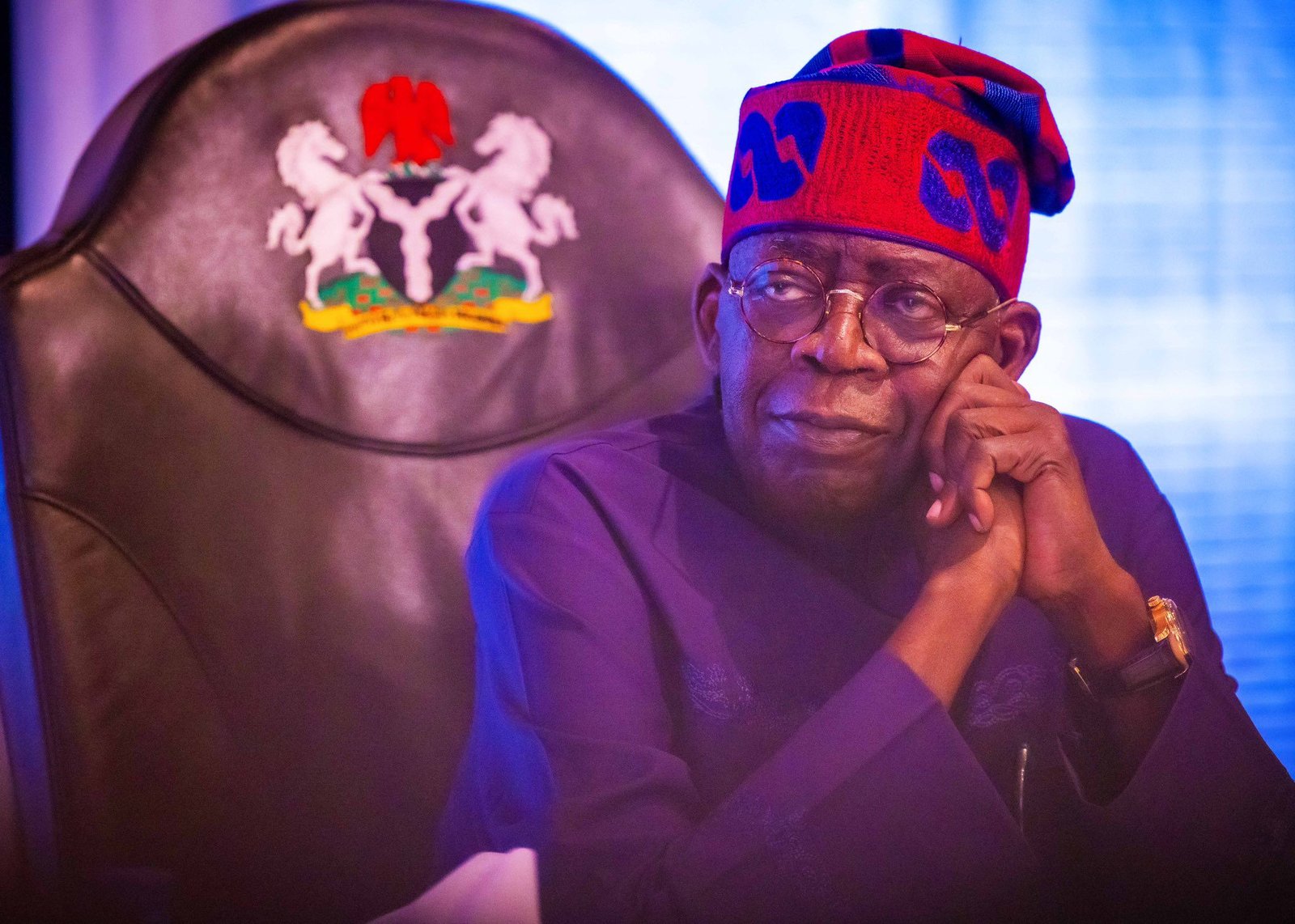
President Bola Tinubu has acknowledged that removing the petrol subsidy would cause hardship for many Nigerian households, saying his administration is expanding affordable transportation options to ease the impact.
Tinubu disclosed this in a post on his verified X account on Sunday, October 11, 2026, outlining government efforts to increase access to buses, electric vehicles and compressed natural gas (CNG) transport services.
He said the Federal Government was working with state governments through the Nigeria Governors’ Forum and private investors to expand the National Affordable CNG Transportation Programme.
According to the President, Ekiti State has received 15 buses, Lagos 20, while Akwa Ibom has 50 buses ready for service.

He added that Katsina had introduced 30 CNG hybrid buses and 200 electric tricycles, while Kano had received 30 CNG buses and five electric buses. Another rollout is planned for Edo State.
Tinubu also said Kaduna’s fleet of 100 CNG buses had transported more than three million passengers.
“Beyond the buses, more than 400 certified centres have converted over 120,000 vehicles to CNG,” he said, adding that the government was expanding refuelling infrastructure to improve access to the fuel.
The President acknowledged that rising petrol prices were putting pressure on households and businesses.
He said the government had waived more than ₦3.3tn in fuel taxes and duties to cushion the impact of higher prices.
Tinubu also announced that NNPC Retail would forgo its profit margin for 30 days, with priority given to public transport operators, while the government worked towards a wholesale petrol supply cost ceiling of ₦1,350 per litre.
He said the measures were intended to provide immediate relief while the government continued expanding affordable transportation alternatives.
“As President, I have a duty to provide relief today without compromising our children’s future,” he said.
Tinubu also urged political leaders to explain how they intended to fund and sustain their campaign promises, warning that commitments without credible financing plans could burden future generations.
He said feedback from beneficiaries had encouraged his administration to continue expanding transportation services, while requests from other Nigerians highlighted the need to reach more communities.
“Our responsibility is to keep expanding access until affordable transportation becomes a reality for more communities across our country,” he added.




