


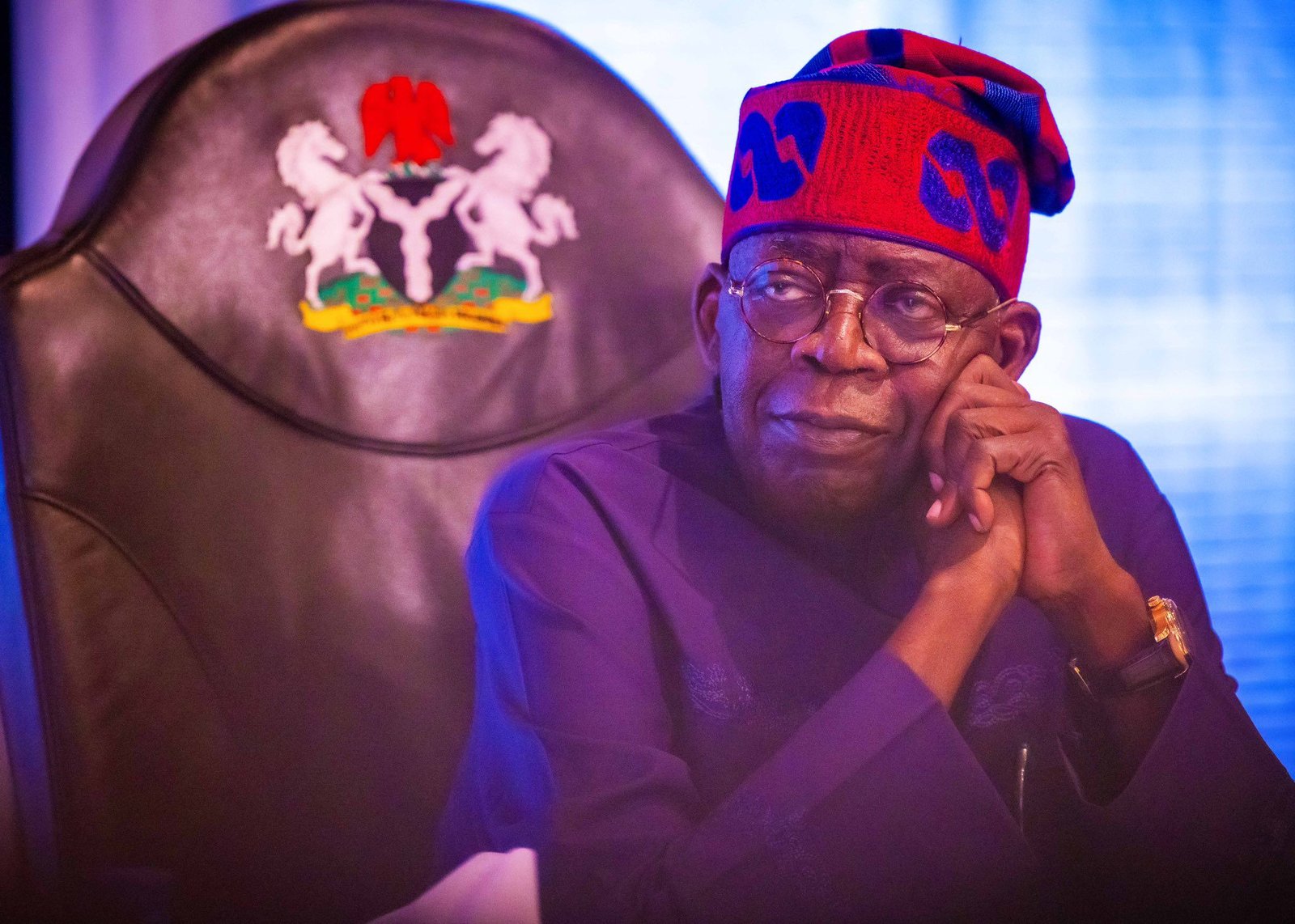
The African Democratic Congress (ADC) has accused President Bola Tinubu’s administration of delaying the implementation of a proposed five per cent fuel tax until after the 2027 presidential election, warning that the policy could push petrol prices above ₦1,500 per litre.
The party’s National Publicity Secretary, Bolaji Abdullahi, made the allegation while reacting to comments by the Minister of Finance, Taiwo Oyedele, who reportedly said the government would introduce the fuel tax when economic conditions improved.
Abdullahi claimed that the tax had already been enacted under the Nigeria Tax Act, signed into law in June 2025, but alleged that the government was holding back its implementation for political reasons.
“They have already enacted the law for a five per cent tax on fuel under the Nigeria Tax Act, and President Tinubu has signed it into law since June 2025,” Abdullahi said.

He further alleged that the tax could be announced after Tinubu secures re-election, drawing a comparison with the president’s announcement of fuel subsidy removal during his inauguration in May 2023.
The Federal Government’s position on the timing and implementation of the proposed surcharge was not included in the report.
The opposition party said the proposed five per cent surcharge could increase petrol prices and worsen the cost-of-living crisis facing Nigerians.
Using a petrol price of ₦1,450 per litre, the ADC estimated that a five per cent surcharge passed directly to consumers would raise the price to ₦1,522.50 per litre.
The party warned that higher fuel costs could increase transportation fares, food distribution expenses, household spending and operating costs for small businesses.
It also questioned the justification for the proposed tax, arguing that Nigerians should see measurable improvements in infrastructure and fuel price stability before being asked to bear additional financial burdens.
The ADC urged Nigerians to support the fuel production subsidy proposed by its presidential candidate, Atiku Abubakar, which the party says would help reduce petrol prices and the wider cost of living.
In a separate statement, the ADC Presidential Campaign Council criticised comments attributed to Senator Abdulaziz Yari, the Director-General of the All Progressives Congress (APC) Presidential Campaign Council, on the government’s handling of insecurity.
Yari was quoted as saying: “If Buhari, who is a retired military man, could not wipe out insecurity, what can Tinubu do?”
The ADC campaign council described the reported remark as an admission of failure by the ruling party and questioned its ability to address Nigeria’s security challenges.
The council’s Director of Media and Publicity, Kola Ologbondiyan, said the statement raised questions about the APC’s record on protecting lives and property and its justification for seeking another presidential term.
He cited persistent concerns over banditry, terrorism, kidnapping and killings, arguing that Nigerians deserved clearer answers on how the government intended to tackle insecurity.
The council urged voters to assess the APC’s record before the next presidential election and consider alternatives that prioritise national security.
Yari’s reported comments and the ADC’s interpretation of them were presented in the source report; the full context of his remarks was not provided.
Meanwhile, BTO4PBAT, an APC support group, defended the Federal Government’s fuel subsidy removal policy, warning that reversing it could trigger renewed economic uncertainty.
The group’s Director-General, Adesuyi Adojutelegan, spoke during a grassroots mobilisation campaign for Tinubu’s re-election in Irele Local Government Area of Ondo State.
Adojutelegan argued that the subsidy had placed significant pressure on public finances and affected the ability of some state governments to meet salary obligations before its removal.
He also warned that restoring the subsidy could bring back fuel scarcity and long queues at filling stations.
The group accused advocates of reversing the policy of allowing political considerations to influence their position, maintaining that the reform was necessary for economic stability.
The competing positions highlight the political debate over fuel pricing, the cost of living and the economic reforms likely to feature prominently in Nigeria’s 2027 presidential election.




