


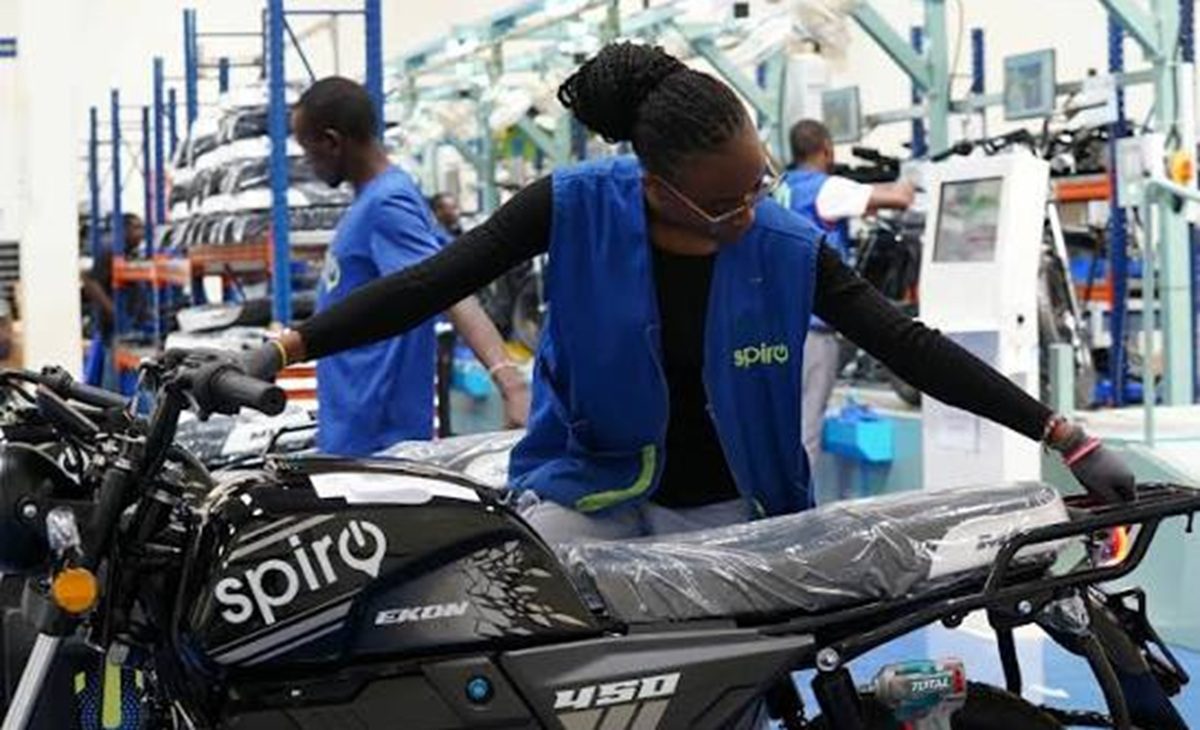
Spiro and ESP launched a programme to help 5,000 African women build electric motorcycle businesses by 2030, starting with a Rwanda pilot.
Spiro and Entrepreneurial Solutions Partners have launched a programme designed to help 5,000 African women build businesses around electric motorcycles by 2030. The Women in E-Mobility initiative began in Rwanda, where 50 women have started training in an initial pilot. The pilot aims to reach 500 participants before the partners expand into other African markets. The programme combines riding skills, financing, business training and access to customers.
Rwanda pilot opens the programme
Rwanda is the first market because Spiro already operates motorcycle assembly facilities and a battery-swapping network there. Participants will learn road safety, safe riding, financial literacy, digital tools and small-business management.  The Africa Newsroom launch release says the first group began training in October 2026.
The pilot will track participants’ progress, income generation and business performance. Those results will help determine how the programme develops before it reaches other countries between 2027 and 2030. The partners have not presented results yet, so the wider economic impact remains a future goal rather than a measured outcome.
Training comes before motorcycle ownership
The initiative is designed to address more than vehicle access. Women will receive practical training before they lease electric motorcycles through a lease-to-own arrangement. They will also learn how to manage money, use digital services and run a small business.
After training, participants will be connected with ride-hailing, delivery and logistics platforms. That connection is intended to help riders find customers and turn motorcycle access into a source of income. Battery swapping should also reduce the need to wait for long charging sessions during working hours.
Women remain underrepresented in transport
Spiro says women make up about 4% of Rwanda’s transport workers. The launch materials also cite a 2025 Kigali study in which 47.7% of women surveyed said they would consider becoming motorcycle taxi drivers. The figures suggest interest may be higher than current participation, although the survey does not guarantee that respondents will enter the sector.
The partners say the programme will address barriers involving financing, productive assets, technical skills and market access.  Spiro’s official announcement describes the initiative as a partnership between Spiro’s mobility infrastructure and ESP’s entrepreneurship support. The approach treats the motorcycle as one part of a broader business system.
ESP brings business and finance support
Entrepreneurial Solutions Partners, or ESP, will lead business development, coaching and implementation support. The organisation operates across 28 countries and says it has supported more than 12,900 micro, small and medium-sized enterprises. It also reports contributions to 43,153 direct jobs and access to $104.5 million in finance.
The organisation says more than 23,700 young women have taken part in its programmes. Its institutional partners include the Mastercard Foundation, the World Bank Group and the African Development Bank. Those relationships could become important if the Rwanda model needs outside financing for a larger continental rollout.
Spiro expands electric mobility access
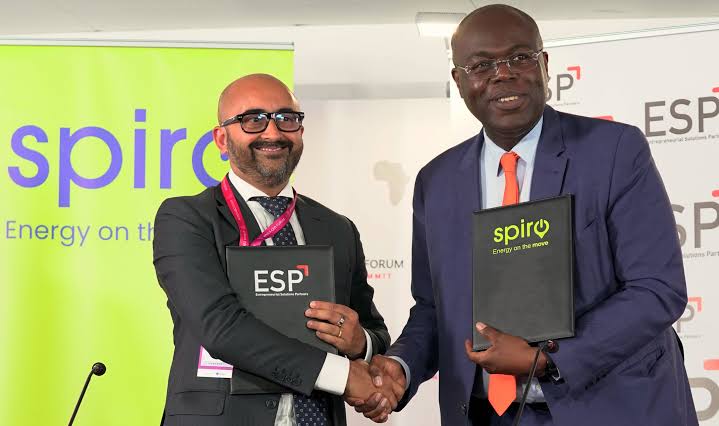
Spiro describes itself as Africa’s largest electric mobility company. The company says it operates in seven countries, with more than 156,000 electric motorcycles, over 2,500 battery-swapping stations and more than 57 million battery swaps. It assembles motorcycles in Uganda, Kenya, Nigeria and Rwanda.
The scale of that network gives the programme an existing platform for expansion. However, reliable income will depend on customer demand, lease terms, maintenance costs, battery availability and local transport rules. Diaspora Digital Media’s  Business section provides related coverage of companies, investment and economic activity.
Electric motorcycles may also lower daily operating costs for riders by reducing dependence on petrol. That benefit could improve business margins, but the result will vary with electricity prices, swap-station coverage and financing conditions in each market. Local infrastructure will therefore shape whether the programme can grow beyond its first pilot.
“Electric mobility is creating new economic opportunities across Africa, and we want more women to be part of this transformation.” — Anant Badjatya, Group CEO, Spiro
Ultimately, the Women in E-Mobility programme links clean transport with women’s entrepreneurship. Its first test will be whether the Rwanda pilot helps participants build stable businesses rather than simply gain access to motorcycles. Spiro and ESP plan to use those lessons to guide expansion across Africa. The initiative will need sustained financing, customers and practical support to reach its 5,000-women target by 2030.




