Jensen Huang’s Nvidia exit raises questions about the AI ecosystem, from chip supply and investment ties to succession and future strategy.
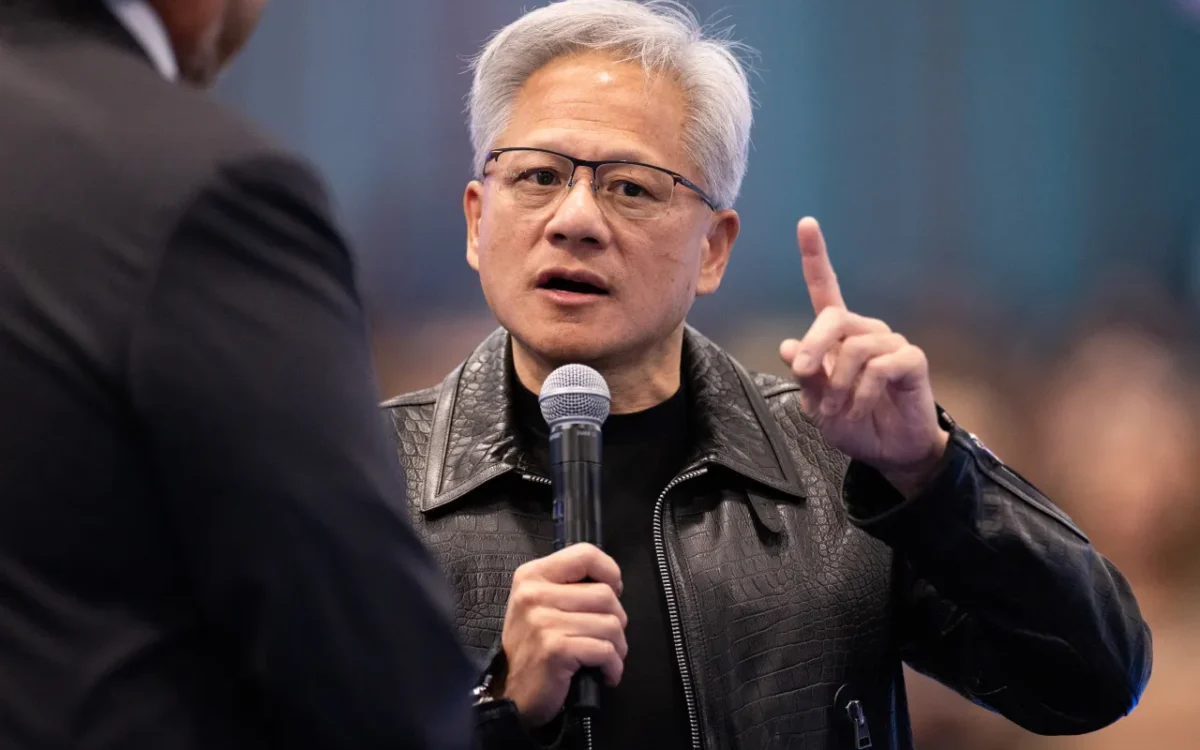
Jensen Huang’s resignation from Nvidia has raised questions about its wider effect on the AI industry. The company’s chips, investments and partnerships connect it to cloud providers and AI developers. Nvidia says its operations and product roadmap should continue without interruption. The larger uncertainty is whether its strategy and dealmaking will change under new leadership.
Why Nvidia matters to the AI industry
Nvidia’s graphics processors helped power the generative AI boom. They can handle calculations used to train and run AI models. Major cloud companies buy its systems to offer computing capacity to their customers. AI developers also rely on access to that infrastructure. As a result, Nvidia’s decisions can affect projects well beyond the chip market.
The company’s role extends beyond selling processors. CNBC reported that former CEO Huang helped allocate computing capacity. He also built relationships with large cloud providers and newer “neocloud” companies. Reuters reported that Nvidia invested in cloud providers, suppliers and AI labs. These ties link the chipmaker to businesses that depend on its hardware and financing.
What Nvidia says about the CEO transition
Huang resigned as president, CEO and board member on November 12, effective immediately. Nvidia named Chief Financial Officer Colette Kress as interim CEO. The board is considering both internal and external candidates for a permanent successor. It has not set a public deadline for completing the search.
The board’s announcement did not state a reason for Huang’s departure. It said it expected the company’s work to continue. “We expect the company’s operations, customer commitments and product roadmap to continue without interruption.” — Harvey C. Jones, Chair of the Nvidia Board. That is the company’s assurance, not a guarantee that future decisions will stay unchanged.
Why Nvidia’s partnerships could matter
Huang’s relationships helped Nvidia connect chips, financing and computing capacity across the AI sector. Reuters described the company as investing in cloud providers, suppliers and AI laboratories. CNBC reported that Nvidia had taken stakes in some cloud-computing providers while they built businesses around renting its processors. Those connections could matter as customers plan new infrastructure.
Existing products and commitments do not disappear when a chief executive leaves. However, analysts say future agreements may depend on how Nvidia’s new leaders approach financing, supply contracts and customer priorities. “The risk is execution. Jensen has been the chief conductor of an extraordinarily complex system.” — Michael Feldman, portfolio manager at ClearBridge Investments. Feldman’s warning is an assessment of leadership risk, not evidence that current deliveries will stop.
Supply deals are another point of exposure. CBS News quoted William Blair analyst Sebastien Naji on Huang’s supplier relationships. He said Huang used prepayments, multiyear purchase agreements and supplier stakes to secure memory, wafers and optics. These components are needed alongside GPUs in data-centre systems. Naji said existing contracts would survive a CEO change, while future deals could be at risk. His comments describe a potential bargaining challenge, not a confirmed disruption. Any effect would depend on how customers and suppliers negotiate with new leaders.
Chip policy and competition remain open questions
Huang had publicly argued for maintaining access to China’s market for advanced chips. Reuters reported that his exit could affect U.S. chip-export policy, as lawmakers debated tighter restrictions. Nvidia has not announced a new position under Kress. Any policy shift would depend on company decisions and government rules, not the CEO transition alone.
Rivals such as AMD and Broadcom could benefit if Nvidia faces prolonged distraction or changes its strategy. CBS News quoted analysts who said competitors may gain ground over time. That outcome is not automatic. Nvidia’s products, customer relationships and existing roadmaps remain in place, while competitors must still persuade customers to adopt alternatives.
What to watch in Nvidia’s next phase
The immediate test is whether Kress and the leadership team maintain Nvidia’s execution. The board is also searching for a permanent CEO. Investors and partners will look for clarity on future investment, capacity allocation and product plans. Nvidia scheduled its fiscal third-quarter results for November 17. The company’s next public disclosures may provide more detail, though it has not promised a revised strategy.
Ultimately, Huang’s departure creates uncertainty around Nvidia’s leadership, not an immediate end to AI development. The company says customer commitments and product plans remain on track. Future effects will depend on decisions made by Nvidia’s new leadership and its partners. The industry will be watching how the transition unfolds.