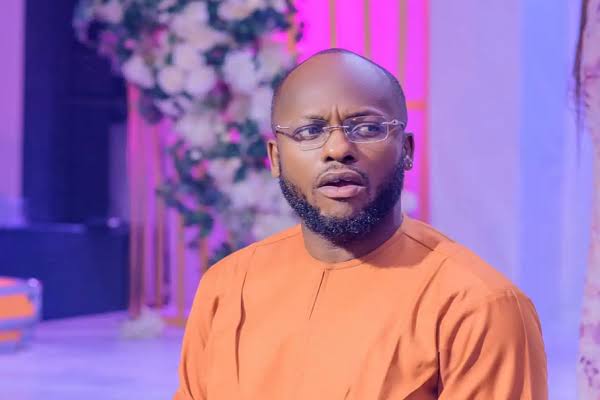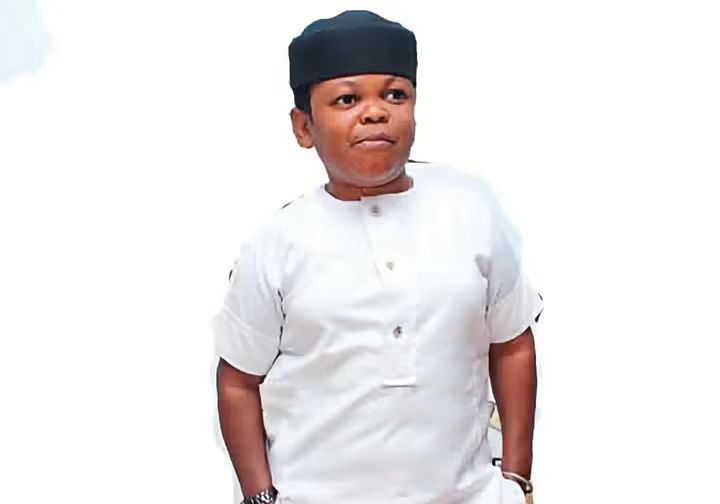
ABUJA, NIGERIA — Nollywood actor Osita Iheme, popularly known as Pawpaw, has challenged Nigerian politicians to stop turning campaign rallies into entertainment shows, insisting that voters deserve evidence of competence, clear policy proposals and credible plans for good governance ahead of the 2027 general elections.
Iheme made the remarks on Monday, November 16, 2026, in a message shared on his Instagram page, where he criticised the growing practice of politicians dancing on campaign stages instead of using public appearances to explain their records and development agendas.
The actor argued that political campaigns should provide opportunities for candidates to demonstrate their leadership capacity and communicate practical solutions to the challenges facing Nigerians.
He maintained that politicians seeking public office should concentrate on convincing citizens through their achievements, policy positions and proposed programmes rather than relying on choreography, stage performances and entertainment to attract public attention.
In a strongly worded message directed at political leaders, Iheme declared: “We don’t need choreography. We need competence. We don’t need hype men. We need good governance. We don’t need entertainers. We need leaders.”
He further challenged politicians to present their records and explain what they intended to accomplish if elected, stressing that campaign platforms should be used to address the concerns of the electorate.
“Show us what you have done. Tell Nigerians what you will do. You are not going for Grammy,” he wrote.
The actor also issued a direct warning against turning campaign stages into dance floors, saying he no longer wanted to see politicians prioritise dancing during political engagements.
His comments have added to an ongoing public conversation about the role of entertainment in Nigerian election campaigns, particularly as political activities gradually intensify ahead of the 2027 elections.
Music, dancing, celebrity appearances and elaborate stage performances have long featured prominently at political rallies across the country. Political parties often use these activities to attract crowds, energise supporters and create excitement around their candidates.
However, critics argue that excessive attention to entertainment can distract from substantive discussions about governance, accountability and public policy.
Iheme’s intervention comes amid recent performances by prominent political figures at public political gatherings.
On October 14, Osun State Governor Ademola Adeleke displayed his familiar dance moves during the inauguration of the All Progressives Congress 2027 Presidential Campaign Council at the State House Conference Centre in Abuja. Adeleke, who belongs to the Accord Party, was appointed the APC campaign coordinator for Osun State and declared support for President Bola Tinubu’s re-election ambition.
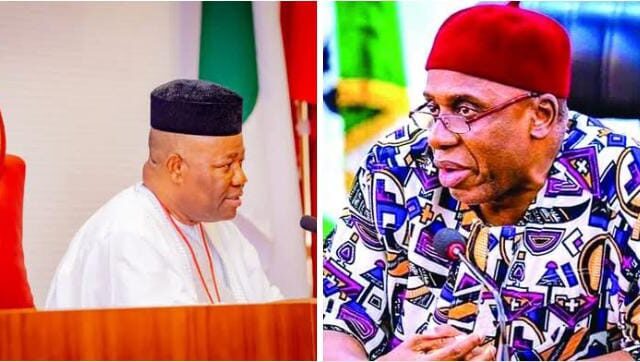
Similarly, Vice-President Kashim Shettima and Senator Adams Oshiomhole attracted attention on November 6 after dancing to Kizz Daniel’s popular song, Buga, during an APC rally in Uyo, Akwa Ibom State.
President Tinubu also displayed dance moves during an APC presidential campaign rally at Dutse Township Stadium in Jigawa State on November 10, performing to a campaign song by Hausa musician Dauda Rarara.
These performances generated public attention and renewed discussions about whether political rallies should place greater emphasis on entertainment or provide more opportunities for candidates to explain their programmes.
While music and cultural displays can form part of political mobilisation, the central responsibility of candidates remains communicating their vision and demonstrating their capacity to govern.
For voters, important considerations include how candidates intend to address unemployment, insecurity, inflation, inadequate infrastructure, education challenges and the cost of healthcare. Citizens also need clear information about how proposed policies will be funded, implemented and monitored.
The debate is particularly relevant as political parties and aspirants begin positioning themselves ahead of the 2027 general elections. Campaign activities are expected to become more prominent as political actors seek to build public support and communicate their ambitions.
Iheme’s message does not call for the complete removal of music or cultural performances from political gatherings. Rather, it challenges politicians to ensure that entertainment does not replace meaningful engagement with voters.
His central argument is that seeking public office should be about demonstrating the ability to lead, not competing for applause on a stage.
As preparations for the next general elections gather momentum, the actor’s comments have brought renewed attention to a fundamental question about Nigerian democracy: beyond the music, dancing and campaign excitement, what are candidates offering the people, and how will they deliver on their promises?
Ultimately, voters will have to assess political aspirants through their records, proposals, transparency and willingness to be held accountable, rather than relying solely on the excitement generated at campaign rallies.