IBADAN, NIGERIA — The Academic Staff Union of Polytechnics (ASUP), Zone C, has directed its members in Ogun, Oyo, Osun and Ekiti states to embark on an indefinite strike over the failure of the affected state governments to implement agreed academic allowances and pay outstanding arrears dating back to January 2026.
The industrial action, which took effect on Monday, November 16, follows the expiration of a 15-day ultimatum issued to state governments that had not implemented the 2025/2026 agreement covering the Consolidated Academic Tools Allowance (CATA) and Earned Academic Allowance (EAA).
ASUP Zone C Chairman, Comrade Nurudeen Masopa, announced the directive during a zonal press conference at the union’s secretariat in The Polytechnic, Ibadan, Oyo State. He said the decision followed repeated appeals and engagements with the affected governments without what the union considered satisfactory commitments.
The union is demanding immediate implementation of both allowances for academic staff in state-owned polytechnics, colleges of technology and monotechnics, alongside payment of all outstanding entitlements from January 1, 2026.
Masopa argued that academic staff working in state-owned institutions should enjoy the same negotiated benefits as their counterparts in federal polytechnics, particularly because they perform comparable academic and professional responsibilities.
He said the Federal Government had commenced implementation of the allowances for academic staff on the CONPCASS salary structure following the renegotiation of its agreement with ASUP in April 2026.
The renegotiated agreement, concluded under the Yayale Ahmed-led committee, established January 1, 2026, as the effective date for implementing the relevant allowances.
According to the union, its national leadership first wrote to state governors on August 10, 2026, requesting that the agreement be extended to academic staff in state-owned institutions. A reminder was subsequently sent on September 21, but the union said the responses from the affected governments did not resolve the outstanding issues.
The matter was also considered at ASUP’s 118th National Executive Council meeting held in Abuja on October 23 and 24. The meeting resolved to issue a 15-day ultimatum to state governments that had failed to implement the allowances. The deadline expired on November 10.
The union identified Ogun, Oyo, Osun and Ekiti as the four affected states within its Zone C structure.
In Ogun State, the strike has already disrupted academic activities across state-owned polytechnics. The union had previously accused the government of failing to address its demands despite several engagements and warned that continued delays would force lecturers to withdraw their services.
ASUP’s Ogun chapter has also raised concerns about inadequate funding for the state’s polytechnic institutions. It alleged that monthly subventions to some institutions had remained at ₦5 million for more than a decade, despite rising operating costs and expanding institutional responsibilities.
The union has called for an increase in institutional funding, alongside the implementation of the allowances, improved pension contributions and the settlement of outstanding employee deductions.
In Osun State, the union had earlier warned that academic services could be withdrawn from three institutions: Osun State Polytechnic, Iree; Osun State College of Technology, Esa-Oke; and Osun State College of Health Technology, Ilesa.
The union’s position is that lecturers in state-owned polytechnics should not be excluded from negotiated benefits available to academic staff in federal institutions and other states.
Masopa commended governments that had implemented the agreement, identifying Ondo, Yobe, Kano, Bayelsa, Niger, Abia and Taraba among the states that had complied. He said the Ondo State Government had also made commitments concerning the settlement of outstanding arrears.
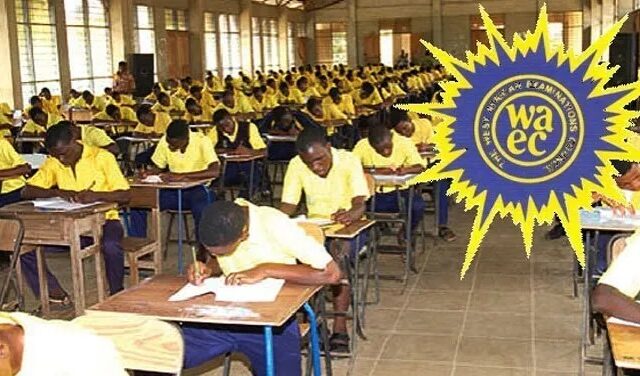
The strike has raised concerns about the academic calendar, examinations, teaching schedules and the progress of students in affected institutions. Polytechnic students and parents could face additional uncertainty if the dispute remains unresolved.
The union, however, maintains that its action is intended to secure fair treatment and improve the welfare of academic workers rather than undermine the education system.
It is now calling on the four state governments to engage its leadership urgently, implement the agreed allowances and clear the accumulated arrears.
The dispute also highlights broader funding challenges confronting Nigeria’s state-owned polytechnics. Technical and vocational institutions play an important role in producing skilled workers for industry, technology, entrepreneurship and public services. Their ability to fulfil these responsibilities depends partly on adequate funding, motivated lecturers and stable academic environments.
For the affected states, resolving the dispute will require more than promises of dialogue. The union is seeking concrete commitments backed by payment arrangements and clear implementation timelines.
Until an agreement is reached, academic activities in the affected institutions remain at risk of prolonged disruption, leaving thousands of students uncertain about when normal teaching and learning will resume.