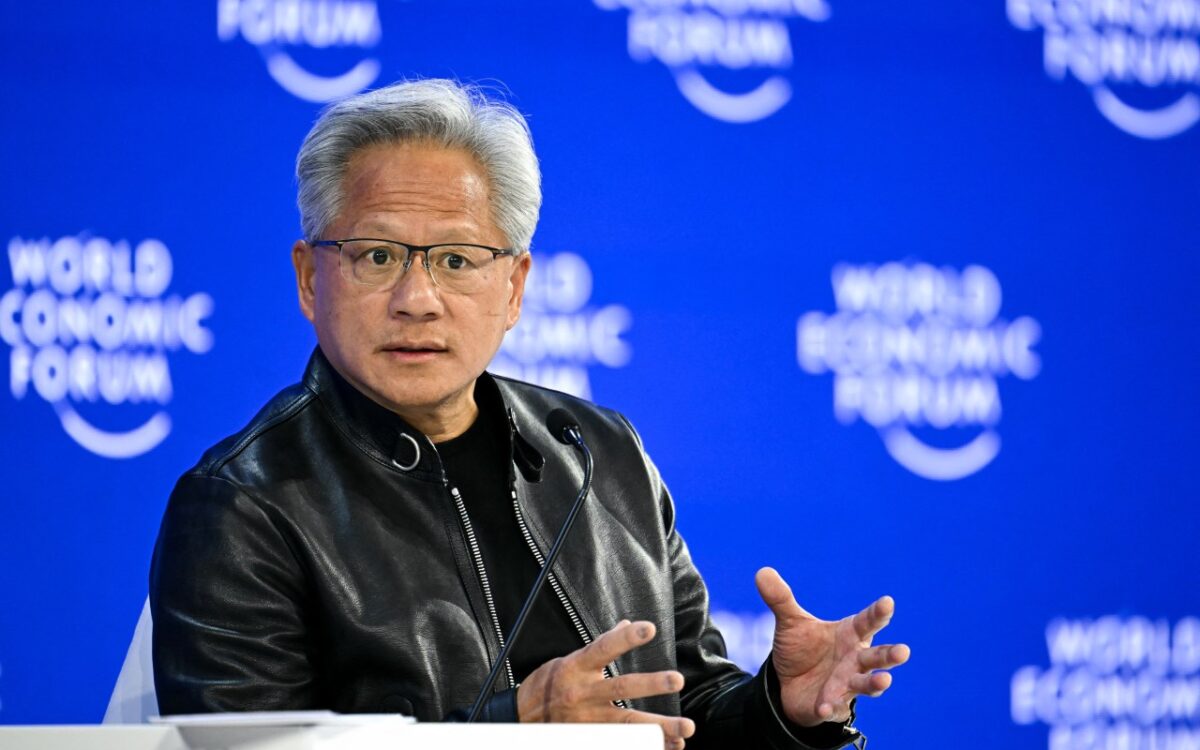
Nvidia’s strong quarterly results contrast with China chip restrictions and debate over Jensen Huang’s departure, as the board stands by its CEO search.
Nvidia reported $115.8 billion in revenue for its third quarter, even as China restrictions and leadership questions dominated attention. A Nov. 21 TechCrunch podcast discussion framed the company as facing two competing narratives: strong financial results and calls for former CEO Jensen Huang to return. Reuters confirmed the revenue figure and reported that Nvidia had stopped shipping licensed Hopper chips to China. The debate reflects pressure on the chipmaker from both geopolitical policy and investor expectations.
Nvidia earnings and the leadership debate
The two sides of the story emerged in the same week. Nvidia’s quarterly results showed continued demand for its chips, while public figures and some supporters pressed for Huang’s reinstatement. TechCrunch’s podcast speakers discussed the petition and social media campaign. They also questioned whether investor confidence would remain strong after his departure.
Nvidia’s board has publicly rejected that pressure. Reuters reported that board chair Harvey Jones said Huang left voluntarily and would not return as CEO. Huang himself said he would be honored to return if the board decided it was best. The board said it unanimously accepted his resignation and did not intend to reinstate him.
Nvidia financial results and forecasts
Nvidia reported third-quarter revenue of $115.8 billion for the period ended October 25, 2026. Reuters said the company also forecast about $130 billion in revenue for the following quarter. That outlook exceeded analyst expectations cited by Reuters. The results indicate strong demand, though they do not resolve questions about export access or future leadership.
The TechCrunch discussion noted that the quarter’s performance did not end investor uncertainty. Its speakers pointed to the timing of the results, which came amid a major leadership dispute. They also discussed the company’s stock decline and broader concerns about AI spending. Those market interpretations are commentary, rather than proof that one event alone caused share-price movements.
China chip restrictions and Nvidia sales
China policy adds another complication. Nvidia interim CEO Colette Kress said the company sold $2.4 billion in licensed Hopper-generation data-center products to China in the quarter. Reuters reported that she also said Nvidia’s guidance included no further licensed Hopper shipments to China. The H200 is part of the Hopper family.
The US government also announced tighter restrictions on access to advanced AI chips through overseas data centers. Reuters reported that the rules covered shipments to several countries, including Malaysia, Singapore and Thailand, and placed new requirements on some data centers serving China-based firms. The policy aims to limit diversion and remote access. Its effect on Nvidia’s future sales will depend on enforcement and licensing decisions.
Nvidia China exposure remains uncertain
TechCrunch’s podcast discussed claims that Chinese firms might access Nvidia chips through data centers in other countries. One speaker said critics estimated that indirect exposure could represent a significant share of Nvidia’s business. That estimate was not reported as a figure in Nvidia’s financial statements. It should therefore be treated as an attributed claim, not confirmed company revenue.
Reuters reported that Nvidia had halted shipments of licensed products, while Beijing had also restricted H200 imports. The two governments’ actions create uncertainty for customers and suppliers. Nvidia’s earnings release offers a snapshot of one quarter, not a guarantee of continued access to China. Policy changes could reshape which customers can buy or use the company’s products.
Nvidia governance and next steps
The board’s position makes an immediate return by Huang unlikely, despite the public campaign. Reuters reported that Nvidia formed a board committee to oversee national security and export-control issues. The company also faced questions about how restricted chips may have reached Chinese users through overseas infrastructure. Those issues make governance and compliance central to its next phase.
Ultimately, Nvidia is navigating strong demand alongside export controls and an unsettled leadership transition. Its latest revenue and forecast show continued momentum, but they do not erase political or governance risks. The board says it will continue its search for a new chief executive. Investors will watch how sales, policy and leadership develop in the months ahead.