Nvidia reinstated Jensen Huang as CEO, citing its review and government input. Its foreign-intelligence investigation continues.
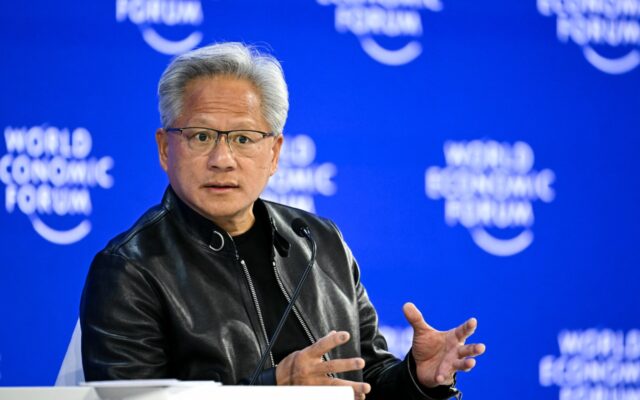
Nvidia’s board has reinstated co-founder Jensen Huang as president, chief executive and director, less than two weeks after he resigned. In its November 23 announcement, Nvidia cited discussions with Huang and input from senior U.S. officials. The reversal followed public calls from President Donald Trump and renewed questions about Nvidia’s governance and national-security oversight. The board’s investigation will continue.
Nvidia reinstates Huang after resignation
The board said its vote to reinstate Huang was unanimous and took effect immediately. It said discussions left directors satisfied with his candor and ability to lead Nvidia. Huang returned to the company he co-founded. CFO Colette Kress remains in that role.
“The Board believes Jensen is the right person to lead NVIDIA, and that his reinstatement is in the best interests of our stockholders, employees, partners and customers.” — Harvey C. Jones, Nvidia board chair
The decision reversed the board’s position from November 17, when chair Harvey Jones said directors had accepted Huang’s resignation and did not intend to reinstate him. Huang had resigned on November 12. Nvidia did not explain what changed during the intervening week.
Why Huang left Nvidia
Huang resigned after news reports described alleged extramarital relationships, including claims involving a woman whom U.S. intelligence agencies suspected of links to Chinese intelligence. These are allegations, not established findings of wrongdoing. Reuters reported that Huang acknowledged being unfaithful to his wife and apologized, while the Chinese government has denied the espionage allegations.
The company’s public statement did not detail the personal allegations or make a finding about them. Instead, Nvidia said the board had formed an independent committee to investigate reports that Huang had been targeted by a foreign intelligence effort. The company said that inquiry would continue to completion, and that Huang would cooperate.
National security review remains open
Nvidia said it received input from senior U.S. government officials before the board reached its decision. Based on that input, the board said it was confident Huang’s reinstatement posed no national-security risk. That is the board’s stated assessment; the announcement did not identify which officials advised it or describe their analysis.
The company also said a separate independent committee would oversee trade compliance and national-security risks. Nvidia is searching for a chief compliance officer to oversee compliance across the company and report to its governance committee. The company said it would continue cooperating with government investigations and inquiries.
The stakes extend beyond Nvidia’s leadership because the company supplies chips used to develop and operate artificial intelligence systems. U.S. export controls restrict some advanced chip sales to China, making compliance a sensitive issue for the company and policymakers. Nvidia’s announcement confirms oversight steps are underway, but does not disclose their findings or resolve the wider investigations.
Trump’s role and board independence
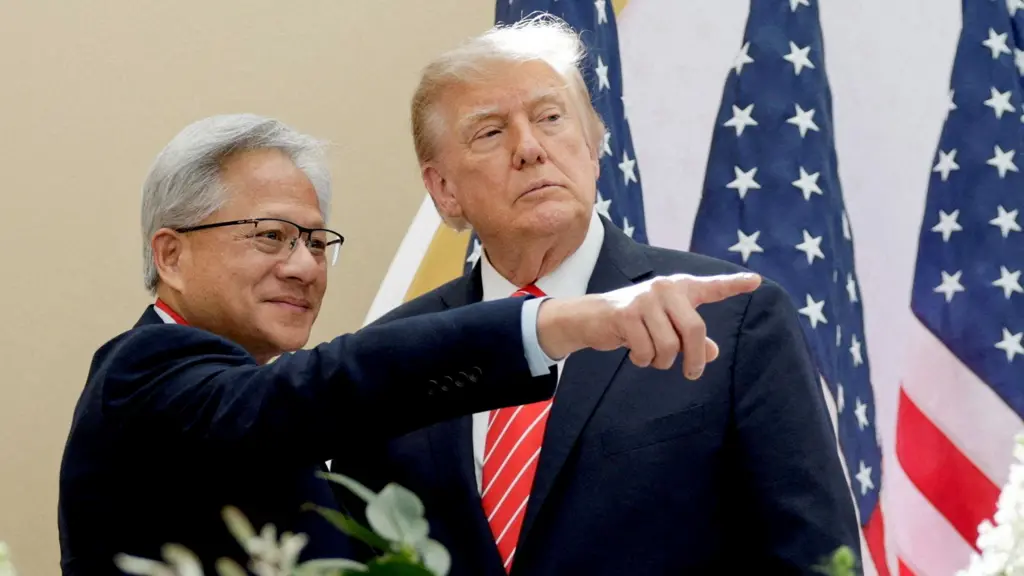
Trump publicly urged Nvidia’s board to bring Huang back before the company announced its decision. Afterward, he claimed credit for intervening and said the government had no reason to believe Huang’s return posed a national-security risk. Those are statements by the president; Nvidia’s release separately says the board received input from senior government officials.
Reuters reported that governance experts questioned the board’s independence after its reversal. The company’s statement attributes the decision to board discussions and meetings with Huang, but does not describe the president’s involvement. The sequence raises questions about how external pressure affected the process, though the public record does not establish the board’s private deliberations.
What Nvidia’s reversal means next
The immediate decision restores Huang to Nvidia’s top executive and board positions, but it does not close the investigations. The independent committee’s work, the new national-security oversight panel and the compliance-officer search will shape what the company says next. Huang is also expected to testify before a U.S. Senate committee on December 3, according to Reuters.
In conclusion, Nvidia has reversed its decision and returned Huang to leadership while keeping its internal reviews open. The board says government input informed its national-security assessment, but it has not published details of that advice. Investors and employees will now watch how the investigations and new oversight proceed. The unresolved process, not just the CEO announcement, will define what comes next for Nvidia.