


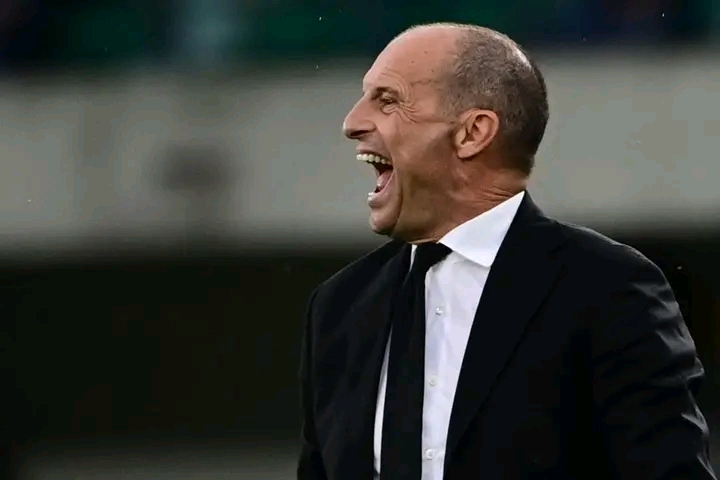
Italian giants AC Milan have parted ways with head coach Massimiliano Allegri following a disappointing end to the 2025 to 26 Serie A season that saw the club miss out on UEFA Champions League qualification, prompting a wide ranging restructuring of the club’s sporting leadership.
The decision was confirmed shortly after Milan’s final day 2–1 defeat to Cagliari at San Siro, a result that confirmed a fifth place finish and ended their hopes of returning to Europe’s elite club competition next season.
Late collapse costs Milan Champions League place

AC Milan’s season ended in frustration after what initially appeared to be a strong campaign gradually unravelled in the closing weeks. For much of the season, the Rossoneri were firmly positioned inside the top four and, at times, were considered genuine contenders in the Serie A title race.
However, a poor run of form during the decisive final stretch proved costly. Dropped points against lower ranked opposition combined with inconsistent performances in key fixtures saw the club fall out of the Champions League qualification places.
The final day defeat to Cagliari sealed their fate, with supporters inside San Siro expressing visible disappointment at both the result and the team’s inability to maintain momentum when it mattered most.
Allegri dismissed after disappointing second spell
Following the conclusion of the season, AC Milan’s ownership under RedBird Capital Partners moved swiftly to make managerial changes, confirming the dismissal of Massimiliano Allegri.
The decision brings an end to Allegri’s second tenure at the club, having previously managed Milan between 2010 and 2014. His return was initially viewed as a stabilising appointment, designed to bring experience and structure to a squad aiming to compete consistently at the top level of Italian football.
While Milan showed improvement at various stages of the season, the late collapse ultimately overshadowed earlier progress. Club officials reportedly deemed the failure to secure Champions League qualification as unacceptable given the resources and expectations placed on the squad.
Executive shake-up signals wider restructuring
Allegri’s departure is part of a broader overhaul at the club, with several senior executives also leaving their positions as Milan begins a comprehensive reset of its football operations.
The restructuring is expected to impact multiple departments, including sporting management, recruitment strategy, and performance analysis. The aim is to rebuild a more coherent and competitive structure capable of sustaining success both domestically and in European competition.
Club sources indicate that the leadership believes a fresh direction is necessary after consecutive seasons of inconsistency and underperformance in key moments.
Season defined by inconsistency and missed opportunities
Milan’s 2025 to 26 campaign has been widely described as a season of missed opportunities. The team displayed strong form in stretches, particularly in matches against top opposition, but struggled to maintain consistency over the full season.
Defensive stability at times provided a foundation for success, but recurring issues in attacking efficiency and squad rotation proved decisive during the final phase of the campaign.
Analysts have pointed to a lack of cutting edge in crucial fixtures, as well as difficulty managing fixture congestion, as key factors behind the drop in form that ultimately cost them Champions League qualification.
Financial and sporting consequences of failure
Missing out on Champions League football carries significant consequences for AC Milan, both financially and in terms of sporting ambition. The absence of European elite competition is expected to impact revenue streams, sponsorship value, and transfer market flexibility during the upcoming summer window.
The club will now be forced to reassess its recruitment strategy, with potential player departures and targeted reinforcements expected as part of a wider squad rebuild.
For supporters, the failure represents another setback in the club’s efforts to reestablish itself among Europe’s elite, following previous seasons of rebuilding and restructuring.
Rebuild begins at San Siro
Attention now turns to the appointment of a new head coach, with Milan expected to explore both domestic and international options as they search for a long term solution.
The incoming manager will inherit a squad in transition, with expectations of immediate improvement in domestic performance and a return to Champions League qualification as a minimum objective for the 2026 to 27 season.
Alongside the coaching appointment, the club is also expected to make key decisions regarding player recruitment, youth integration, and tactical direction.
Broader implications for Serie A competition
Milan’s failure to secure a top four finish highlights the increasing competitiveness of Serie A, where traditional powerhouses are facing stronger challenges from emerging clubs and more balanced squad structures across the league.
The absence of AC Milan from the Champions League is expected to reshape Italy’s representation in European competitions next season and intensify pressure on other top clubs to maintain consistency.
Football analysts suggest that Milan’s situation reflects a wider trend in Italian football, where long term planning and squad depth are becoming increasingly important in determining success.
The dismissal of Massimiliano Allegri marks a decisive turning point in AC Milan’s ongoing rebuild, as the club responds to a damaging late season collapse that cost them a place in the Champions League.
With sweeping changes underway across both coaching and executive levels, Milan now faces a crucial summer period that will define its trajectory for the coming seasons.
Supporters will be hoping that the current overhaul delivers stability, clarity, and a return to consistent top level performance, both in Serie A and on the European stage.




