


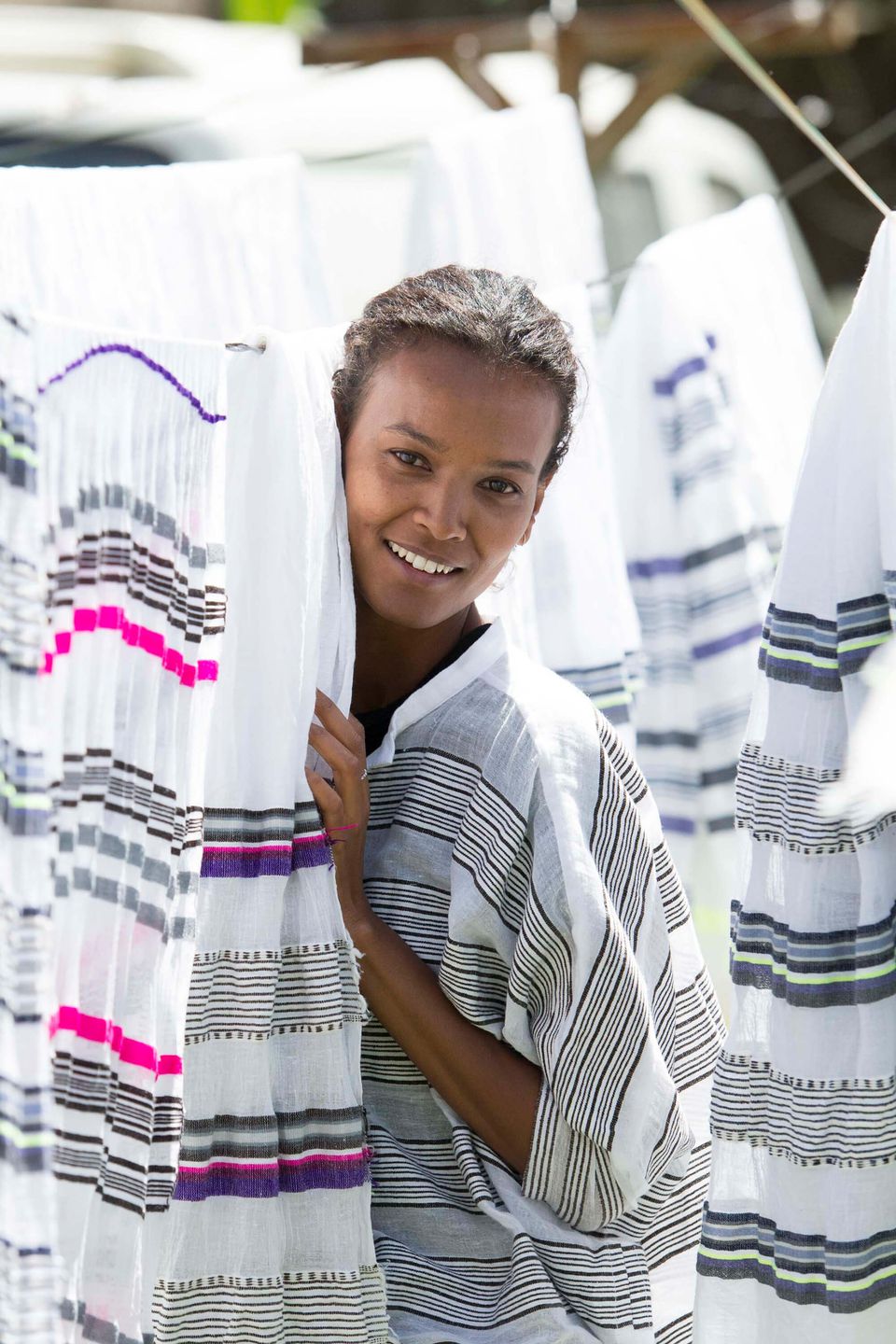
African-made luxury fashion is entering a new phase as designers and emerging brands increasingly turn craftsmanship, cultural identity and modern design into commercially valuable products for local and international markets.
For years, African fashion was often discussed primarily through the lens of traditional clothing, prints and cultural influence. That perception is changing as a new generation of designers builds brands that compete in the wider luxury market while maintaining strong connections to African heritage.
The shift is particularly visible in Nigeria, South Africa, Ghana, Kenya and Côte d’Ivoire, where fashion businesses are developing collections aimed at consumers beyond their domestic markets.
Rather than simply reproducing Western luxury styles, many African designers are creating their own interpretations of luxury by combining traditional techniques, locally sourced materials, contemporary silhouettes and detailed craftsmanship.

This development is turning fashion into more than a cultural expression.
It is becoming a growing commercial opportunity.
Luxury fashion depends heavily on brand identity, exclusivity and craftsmanship, areas where African designers increasingly have a distinctive advantage.
From hand-dyed textiles and embroidery to beadwork, weaving, leatherwork and intricate tailoring, designers across the continent are drawing attention to techniques that have existed for generations but are now being presented through contemporary luxury brands.
The result is a growing market for products that combine African identity with international design standards.
The emergence of these brands is also being supported by changes in how fashion businesses reach customers.
Digital platforms have reduced some of the traditional barriers that prevented African designers from reaching international consumers. A designer based in Lagos, Accra or Nairobi can now showcase a collection to customers in London, New York, Paris or Dubai without depending entirely on physical stores.
Social media has become particularly important.
Instagram, TikTok and other digital platforms allow emerging designers to build audiences around their stories, collections and creative processes.
For luxury brands, that visibility can be valuable because consumers increasingly want to understand the identity behind the products they purchase.
African designers have a natural advantage in this area because their collections can often be connected to distinctive cultural stories, craftsmanship and heritage.
However, visibility alone does not create a global luxury business.
African fashion companies still face significant challenges in production, financing, logistics, intellectual property protection and international distribution.
A designer may attract customers from several countries but still struggle to deliver products efficiently because of high shipping costs, customs procedures or limited access to reliable international logistics networks.
Production capacity is another challenge.
Luxury customers expect consistency.
When a brand receives international orders, it must be able to reproduce quality across different collections without losing the craftsmanship that makes the products distinctive.
This requires investment in skilled workers, equipment, quality control and business management.
For many emerging African fashion companies, the transition from a small designer label to a scalable luxury business is therefore one of the biggest challenges ahead.
The opportunity, however, is significant.
Africa has a rapidly expanding population, a large young consumer base and a growing number of entrepreneurs operating in creative industries.
At the same time, African consumers are becoming increasingly interested in locally created products that reflect contemporary lifestyles.
This creates opportunities for designers to build strong domestic businesses before expanding internationally.
The growing interest in African luxury is also changing the relationship between fashion and tourism.
Luxury travellers visiting African destinations increasingly look for products that provide a connection to the places they visit.
Fashion brands can benefit from this demand by creating products that combine exclusivity with a strong sense of location and cultural identity.
Hotels, airports, concept stores and tourism destinations could therefore become important distribution channels for African luxury brands.
Nigeria remains particularly important to this development because of its large consumer market and influential entertainment industry.
Nigerian music, film and popular culture have helped increase international interest in the country’s creative economy.
Fashion naturally benefits from that exposure.
When African musicians, actors and public figures wear clothing created by African designers, they provide brands with visibility that traditional advertising may struggle to achieve.
This has helped fashion move closer to the entertainment economy, where image, storytelling and cultural influence can translate into commercial value.
DDM News understands that the wider opportunity is not simply about selling more clothes.
It is about building intellectual property and globally recognisable African brands.
A successful luxury fashion company can generate revenue through clothing, accessories, footwear, fragrances, jewellery and licensing.
As brands grow, they can also create demand for local textile producers, tailors, photographers, models, manufacturers, logistics companies and digital professionals.
This makes the fashion industry part of a much larger creative and industrial ecosystem.
Another important development is the increasing attention being paid to sustainability.
Global consumers are becoming more interested in where products are made, who makes them and what materials are used.
African fashion brands that rely on artisanal production, smaller production runs and locally sourced materials can use these characteristics as part of their brand positioning.
However, sustainability claims must be supported by transparent production practices.
As African brands enter more competitive international markets, consumers and retail partners are likely to demand greater information about sourcing, labour conditions and manufacturing standards.
The next stage of African luxury fashion will therefore require more than creativity.
It will require stronger business structures.
Designers will need to understand pricing, inventory management, international taxation, intellectual property, customer service, digital marketing and supply-chain management.
Access to financing will also be critical.
Fashion businesses often require capital before revenue arrives because designers must purchase materials, produce collections, photograph products and market their brands before customers place orders.
Without appropriate financing, promising businesses can remain small even when demand exists.
There is also an opportunity for investors to view fashion differently.
Instead of treating fashion solely as a creative industry, investors can consider its potential as a consumer business with opportunities across manufacturing, retail, technology and international trade.
African luxury fashion is still developing, but its direction is becoming increasingly visible.
The continent is producing designers who are not simply trying to imitate established European luxury houses.
They are building brands around African aesthetics, craftsmanship and contemporary lifestyles.
That distinction could become one of the industry’s strongest commercial assets.
The return of African-made luxury fashion is therefore not simply a revival of traditional clothing.
It represents a broader attempt to transform African creativity into globally competitive businesses.
The challenge now is to move from recognition to scale.
If designers can combine strong creative identities with reliable production, professional management, international distribution and consistent quality, African luxury fashion could become one of the continent’s most visible creative exports.
For an industry built around identity and craftsmanship, the opportunity is clear: Africa is no longer only providing inspiration for global fashion.
It is increasingly building brands of its own.




