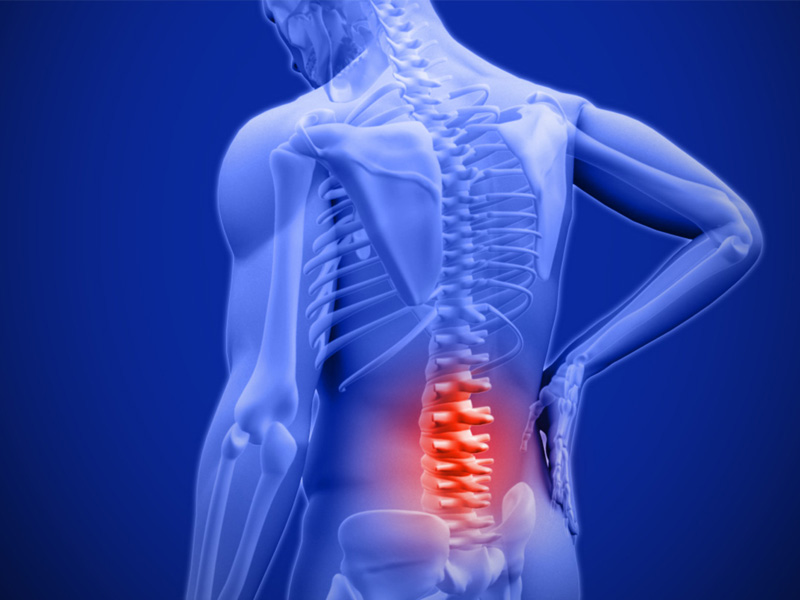
For decades, poor posture was blamed for back pain, driving people to obsess over slouching, ergonomic chairs, and posture-correcting devices. However, modern spine research reveals that posture plays a minimal role in the development or resolution of back pain. People with perfect posture can experience severe pain, while those with less ideal posture may remain pain-free.
What the Science Says
Comprehensive studies have found weak or no meaningful correlation between spinal alignment and back pain. Structural variations like scoliosis, disc bulges, or vertebral deviations appear in both people with and without back pain, suggesting that anatomy alone doesn’t explain most cases.
Instead, research highlights stronger connections between back pain and psychological and lifestyle factors. Stress, anxiety, depression, fear-avoidance beliefs, and catastrophic thinking predict pain outcomes more accurately than posture. Physical factors such as overall fitness, movement patterns during daily activities, and recent activity levels also influence back pain risk, rather than static sitting or standing positions.
Movement Quality Matters More Than Posture
Current evidence emphasizes the importance of dynamic movement over static alignment. How individuals move when lifting, bending, or transitioning between positions predicts back health better than rigid posture measurements. Focusing on functional movement, confidence, and activity continuity is more effective than enforcing strict postural rules.
Psychological and Contextual Factors Are Key
Fear of movement, beliefs about fragility, and stress levels strongly influence back pain persistence. Those who maintain normal activity despite discomfort typically recover faster than those who restrict movement based on posture concerns.
Rethinking Treatment Approaches
Evidence-based back pain management now prioritizes:
- Maintaining normal activity and movement
- Improving overall fitness
- Addressing psychological factors such as fear-avoidance and catastrophic thinking
- Avoiding unnecessary restrictions or posture-focused interventions
This approach marks a major shift from the posture focused narrative, treating the back as resilient rather than fragile. Patients benefit most when therapy encourages active movement, stress management, and functional fitness rather than rigid posture correction.
Back pain treatment that ignores posture myths and addresses real predictors movement, fitness, and psychological health leads to better outcomes and faster recovery.