


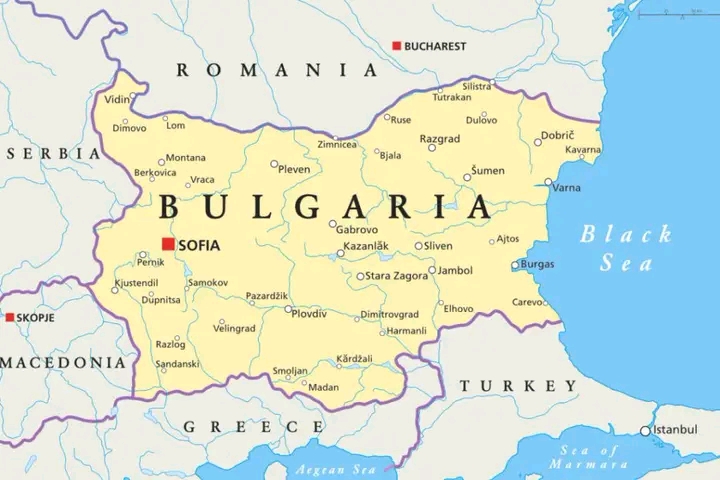
SOFIA, BULGARIA — Voters in Bulgaria have returned to the polls once again, marking the eighth parliamentary election in just five years as the country struggles with prolonged political instability.
The latest vote reflects a deepening crisis that has left the European Union member state without a stable government for extended periods.
Political deadlock, corruption concerns, and divisions among major parties have repeatedly forced early elections, preventing long-term policy implementation.
At the center of the current political landscape is a reformist and anti-corruption movement backed by former president Rumen Radev, which is widely seen as a key contender in the latest ballot.

The bloc has gained support from voters frustrated with entrenched political elites and allegations of widespread corruption within state institutions.
Observers say the repeated elections have eroded public trust in the political system, with voter turnout declining in recent years.
Many citizens express fatigue over constant campaigning and uncertainty, as successive governments have failed to complete full terms.
The ongoing instability has also raised concerns about Bulgaria’s economic direction and its role within the European Union.
Analysts warn that without a functioning and stable government, the country risks delays in implementing key reforms tied to EU funding and development programs.
Efforts to tackle corruption, reform the judiciary, and improve governance have remained largely stalled due to the lack of political consensus.
Meanwhile, inflation and cost-of-living pressures continue to weigh on households, further intensifying public dissatisfaction.
The election is being closely watched both domestically and internationally, as it may determine whether Bulgaria can finally break the cycle of political paralysis.
However, experts caution that even after the vote, forming a coalition government could prove difficult due to deep ideological divisions among parties.
Previous elections have produced fragmented parliaments, with no single party able to secure a decisive majority.
This has led to fragile coalitions or caretaker governments, limiting the ability to pass major legislation.
Despite the uncertainty, some voters remain hopeful that the latest election could pave the way for meaningful change.
They argue that sustained public pressure and growing demand for accountability may eventually reshape the country’s political system.
As ballots are counted, attention now turns to whether Bulgaria’s political leaders can overcome longstanding divisions and form a government capable of addressing the nation’s pressing challenges.
The outcome is expected to have significant implications for governance, economic stability, and democratic confidence in one of Europe’s most politically turbulent nations.




