Cameroon’s Constitutional Council has rejected multiple petitions demanding the partial or total cancellation of the country’s controversial presidential election, saying the final result will be announced on Monday.
The ruling follows widespread protests in major cities, where opposition supporters alleged that the October 12 election was riddled with fraud, including ballot-stuffing and vote manipulation.
Judges dismissed all eight petitions submitted by opposition groups, citing either a lack of substantial evidence or jurisdiction to nullify the results.
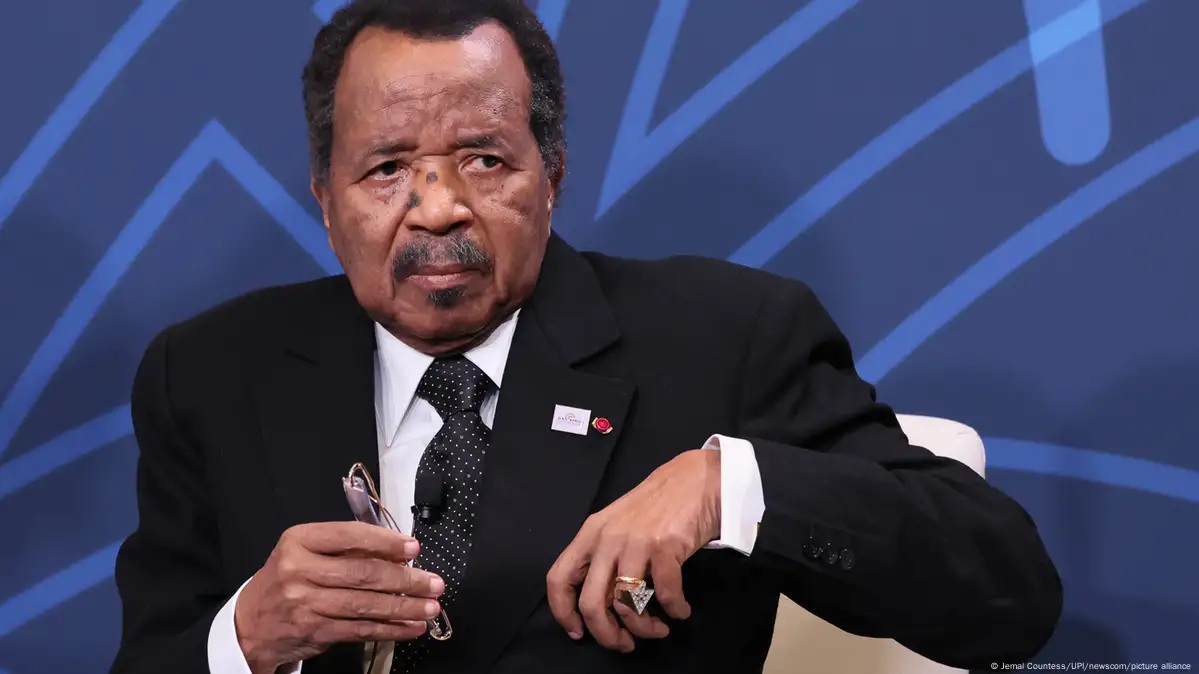
The decision effectively clears the path for the announcement of a result that many expect will extend 92-year-old President Paul Biya’s more than four-decade rule.

Biya, who has ruled Cameroon since 1982, is seeking another seven-year term, despite growing domestic and international pressure for political transition.
He attended just one campaign rally during the election period, a move critics say reflects both his frail health and his confidence in the electoral system.
Opposition candidate Issa Tchiroma Bakary, 76, a former government spokesman who defected from Biya’s camp to challenge him, has rejected the Council’s decision outright.
He declared himself the “legal and legitimate president” of Cameroon, alleging that he won the vote with 55 percent based on returns covering what he described as 80 percent of the electorate.
In a video posted on social media, Bakary accused the Constitutional Council of complicity in what he called “a breach of trust.”
“If the Constitutional Council proclaims falsified and truncated results, it will be complicit in a breach of trust,” he said.
Bakary warned that the people “will have no choice but to take their destiny into their own hands and seek victory wherever they can find it,” a remark that has raised fears of post-election unrest.
Biya’s ruling party swiftly dismissed Bakary’s declaration as illegal and baseless, emphasizing that only the Constitutional Council has the constitutional authority to proclaim the final election results.
The Catholic Church, one of Cameroon’s most influential institutions, has called on the judges to deliver a ruling that truly reflects the will of the people.
Religious and civil society leaders have also urged calm, warning that violence could plunge the already fragile nation into deeper crisis.
The election has exposed sharp divisions in a country already struggling with multiple security challenges, including the Anglophone separatist conflict in the northwest and southwest, and the Boko Haram insurgency in the far north.
As tensions mount, all eyes are now on Monday’s official declaration, which many fear could ignite another wave of demonstrations or violent confrontations between opposition supporters and security forces.