


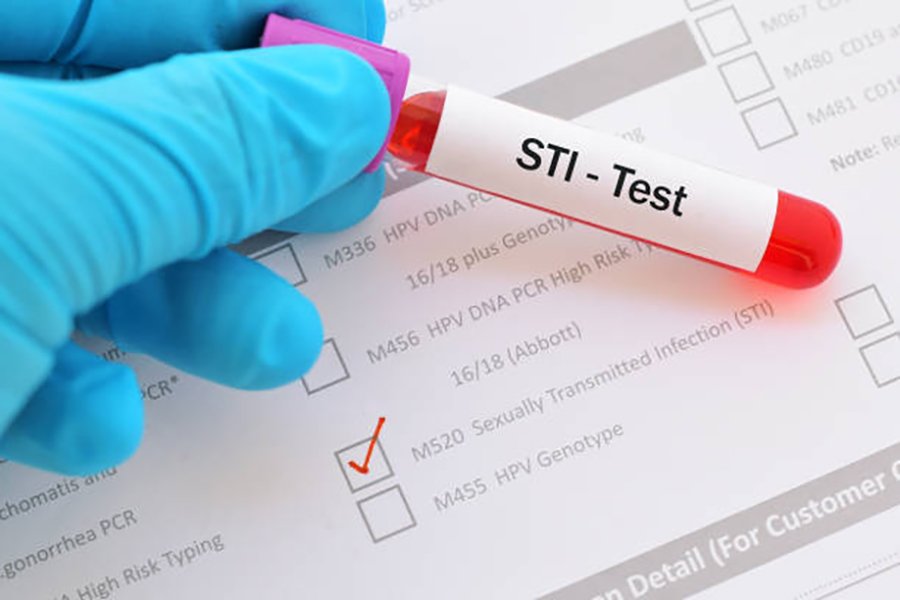
Sexually transmitted diseases (STDs), also known as sexually transmitted infections (STIs), are infections that spread primarily through sexual contact. Many STDs can be treated successfully, and some can be cured entirely when diagnosed early. Understanding their symptoms and seeking prompt medical attention can help prevent serious health complications.
Herpes
Genital herpes is caused by the herpes simplex virus (HSV) and is one of the most common viral sexually transmitted infections.
Common symptoms include:
- Pain, tingling, or unusual sensations around the genitals
- Clusters of small, painful blisters
- Open sores that develop after blisters break
- Flu-like symptoms during initial outbreaks
Although there is no cure for herpes, antiviral medications can help reduce symptoms and lower the risk of transmission.

Human Papillomavirus (HPV)
HPV is a widespread viral infection that can affect the genital area, mouth, throat, and other parts of the body.
Possible signs include:
- Small genital warts
- Flesh-colored bumps around the genitals
- Often no visible symptoms
Certain strains of HPV can increase the risk of cervical, anal, and throat cancers. Vaccination remains one of the most effective forms of prevention.
Pubic Lice
Also known as crabs, pubic lice are tiny insects that live in coarse body hair.
Symptoms may include:
- Intense itching in the genital area
- Skin irritation or redness
- Visible lice or eggs attached to hair shafts
Over-the-counter treatments are usually effective in eliminating the infestation.
Chlamydia
Chlamydia is a common bacterial infection that frequently causes no symptoms.
When symptoms occur, they may include:
- Painful urination
- Unusual genital discharge
- Bleeding between menstrual periods
- Rectal discomfort or discharge
If left untreated, chlamydia can lead to fertility problems and other complications. Antibiotics can effectively cure the infection.
Gonorrhea
Gonorrhea is another bacterial STI that can affect the genitals, rectum, throat, and eyes.
Symptoms may include:
- Pain or burning during urination
- Abnormal genital discharge
- Pelvic pain
- Bleeding between periods
Prompt treatment with antibiotics is important to prevent long-term health issues.
Bacterial Vaginosis
Bacterial vaginosis (BV) occurs when the natural balance of bacteria in the vagina changes.
Possible symptoms include:
- Thin gray or white vaginal discharge
- Fishy odor, especially after sex
- Vaginal irritation or burning
Some cases resolve on their own, while others require medical treatment.
Hepatitis
Certain forms of hepatitis, particularly hepatitis B, can spread through sexual contact.
Symptoms may include:
- Fatigue
- Abdominal discomfort
- Dark urine
- Pale stools
- Yellowing of the skin and eyes (jaundice)
Vaccination can help prevent hepatitis B infection.
Trichomoniasis
Trichomoniasis is caused by a parasite and often produces no symptoms.
When symptoms appear, they may include:
- Pain during sex
- Burning during urination
- Unusual genital discharge
- Genital irritation
The infection can be treated successfully with prescribed medication.
HIV
Human immunodeficiency virus (HIV) attacks the immune system and can weaken the body’s ability to fight infections.
Early symptoms may resemble the flu and include:
- Fever
- Rash
- Swollen lymph nodes
- Fatigue
- Night sweats
Modern treatment allows many people living with HIV to maintain healthy lives and prevent transmission when properly managed.
Syphilis
Syphilis is a bacterial infection that progresses through several stages if untreated.
Early symptoms include:
- Painless sores on the genitals, mouth, or anus
- Skin rashes
- Swollen lymph nodes
- Fever and fatigue
Early diagnosis and antibiotic treatment are highly effective.
When to See a Doctor
Anyone who experiences symptoms of an STI or believes they may have been exposed should seek medical advice promptly. Many infections can remain symptom-free for months or years while still causing complications and spreading to others.
Regular testing is recommended for sexually active individuals, especially those with new or multiple partners.
Preventing STDs
Several measures can reduce the risk of infection:
- Use condoms consistently and correctly
- Get vaccinated against HPV and hepatitis B
- Undergo regular STI screening
- Limit the number of sexual partners
- Discuss sexual health and testing history with partners
- Seek treatment immediately if an infection is suspected
Conclusion
Sexually transmitted infections remain a significant public health concern, but early diagnosis, treatment, and preventive measures can greatly reduce their impact. Understanding the signs and symptoms of common STDs empowers individuals to protect their health and seek care when needed.




