


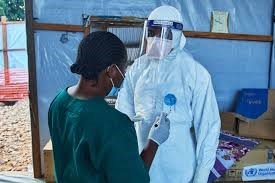
Health authorities in the Democratic Republic of the Congo (DRC) have confirmed that the country’s ongoing Ebola outbreak has claimed at least 930 lives, making it one of the deadliest and fastest-growing Ebola outbreaks in recent years.
According to the Congolese Ministry of Health, 2,344 confirmed cases had been recorded as of the latest update, with 37 new deaths reported within the previous 24 hours. Health officials say the latest figures underscore the urgent need to strengthen containment measures and improve access to medical care in affected communities.
Outbreak Continues to Spread
The current outbreak was officially declared in May 2026 and is caused by the Bundibugyo strain of the Ebola virus, a less common variant for which there is currently no approved vaccine or specific treatment.
The virus has spread across multiple provinces, with Ituri Province remaining the hardest-hit area. Public health experts say ongoing transmission in remote communities continues to complicate response efforts.

Security Challenges Hamper Response
Health officials have warned that insecurity is slowing efforts to control the outbreak.
Several attacks on healthcare facilities and response teams have been reported since the outbreak began. In addition, some healthcare workers have suspended their activities over unpaid wages, limiting access to treatment and disease surveillance in affected regions.
Authorities also confirmed that 36 healthcare workers have died after becoming infected while responding to the outbreak.
Hundreds Receiving Treatment
Despite the challenges, response teams continue to expand medical services.
The Ministry of Health said 724 patients are currently receiving care in isolation centres and hospitals, while additional recoveries have been recorded in recent days.
The government, working alongside the World Health Organization (WHO) and international partners, is strengthening contact tracing, laboratory testing, infection prevention, and community awareness campaigns to help slow the spread of the disease.
WHO Calls for Continued Vigilance
The World Health Organization has expressed concern that many new infections are linked to unknown chains of transmission, making it more difficult to contain the outbreak.
WHO says continued surveillance, rapid case identification, safe burials, and community cooperation remain essential to preventing further spread of the virus. The agency has also emphasized that regional preparedness remains critical because of cross-border movement in Central and East Africa.
Public Health Advice
Ebola spreads through direct contact with the bodily fluids of an infected person or contaminated materials. Early symptoms may include:
- Fever
- Severe headache
- Muscle pain
- Weakness
- Vomiting
- Diarrhoea
- Unexplained bleeding in severe cases
Health experts advise anyone experiencing symptoms after possible exposure to seek medical attention immediately and avoid close contact with others until evaluated by healthcare professionals.




