


tech-discovered-materials-secures-9m-for-ai-chip-cooling
Discovered Materials Secures $9M For AI Chip Cooling Discovered Materials, backed by Lightspeed, will use AI agents to find new thermal materials for semiconductors, aiming to solve massive heat issues in global data centers. Discovered Materials just secured $9 million in seed funding to hunt for novel semiconductor materials using AI agents to cool down chips.
Essentially, modern artificial intelligence chips generate too much extreme heat during heavy daily workloads. Consequently, large global data centers consume massive amounts of power to run cooling systems. As a result, traditional water cooling setups often fail to cope with these tough demands. Therefore, big tech companies need Discovered Materials to build better semiconductors for safe servers.
Securing Crucial Seed Funding
Specifically, Y Combinator states that finding novel materials usually takes ten years of slow work. Meanwhile, a new tech startup named Discovered Materials wants to fix this huge problem. Indeed, the young company recently secured $9 million in crucial seed funding for research. Additionally, Binance reports that Lightspeed India Partners officially led this major financial funding round. For example, Y Combinator and Peak XV Partners joined the promising deal to offer support.

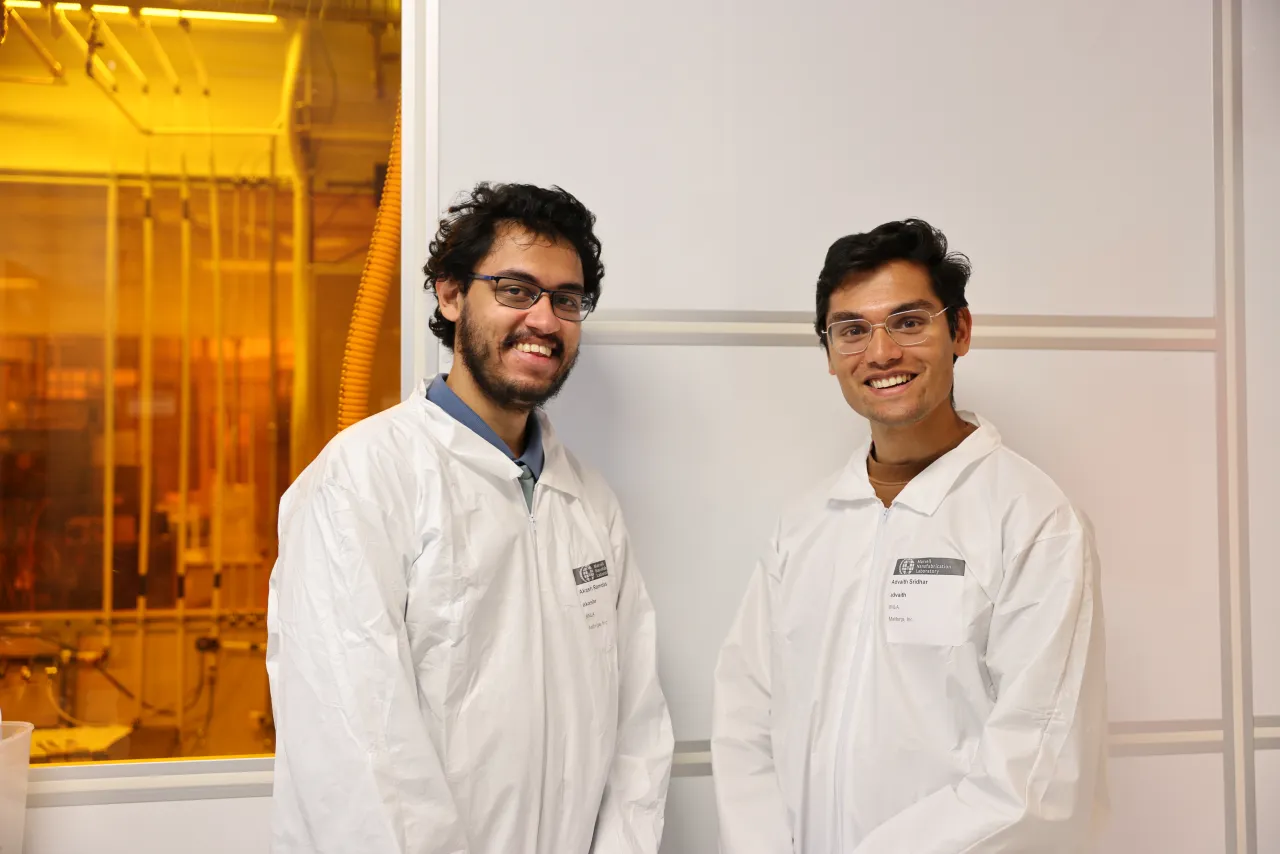
Furthermore, notable angel investors like Paul Graham also backed this bold tech vision recently. Meanwhile, bright founders Advaith Sridhar and Akash Ramdas lead the smart business operations today. Specifically, Ramdas studied advanced material science deeply at Stanford University for his doctorate degree. In fact, human scientists usually test just twenty material candidates daily in standard labs. In contrast, new cloud software tools test thousands of materials daily without any breaks.
Using Smart AI Agents
Consequently, these smart computer agents speed up vital research efforts across the entire industry. Additionally, the young startup relies on very clever Anthropic software models for daily operations. For example, these smart tools generate many novel chemical structures to solve thermal problems. Consequently, custom physics models check each new idea for flaws before any physical testing. Through this, the research team tracks thermal limits and mechanical strength very closely indeed.
Ultimately, they filter out bad ideas to save money before starting expensive lab tests. However, finding a good chemical formula is just the first step in this journey. Indeed, actual physical lab tests remain very difficult and slow for most research teams. As a result, the tech firm released a brand new tracking tool to monitor software. Specifically, the new Material Discovery Bench tool tracks all software agent guesses and mistakes.
Moving Designs To Factories
Therefore, the general public can see exactly how well these frontier models perform today. Additionally, seven software models found over 500 new material candidates during recent benchmark tests. However, only one single material recipe looked truly viable for real physical lab synthesis. As a result, the ambitious team will try to build it in their labs. Indeed, this strict process shows the massive gap between computer simulations and physical reality.
Additionally, they want to patent winning chip formulas and license them to big chipmakers. Additionally, other smart tech startups also hunt for novel tech materials using advanced software. For example, Business Wire notes that companies like CuspAI do very similar technical work. In contrast, Discovered Materials focuses strictly on semiconductor heat issues and complex thermal packaging. Therefore, this clear tight focus might give them a huge edge over broad competitors.
Changing Hardware Manufacturing Forever
Simultaneously, they hope to license their valuable new patents to big graphics card manufacturers. Indeed, specialized investors continue to pour money into AI hardware supply chain solutions actively. Specifically, making chips run cooler helps reduce carbon footprints for large international data centers. As a result, the entire global technology sector watches this tiny startup very closely. Meanwhile, TechCrunch reports that this startup faces tough physical lab challenges in the future.
However, scaling these chemical solutions up for mass commercial production remains a huge hurdle. In fact, many early materials look great digitally but fail during real factory manufacturing. However, this ambitious team believes their custom physics filters will catch these manufacturing errors. Therefore, they expect to secure actionable intellectual property rights within the next twelve months. Consequently, solving this thermal bottleneck unlocks the next major generation of artificial intelligence hardware.
To conclude, new software platforms demand better global hardware infrastructure constantly for complex tasks. Indeed, modern platforms rely on smart software, just as Google Photos scans your library today. Consequently, new computer chips must stay cool to work well under such heavy loads. Therefore, this smart firm could change global hardware manufacturing forever if their lab tests succeed.




