


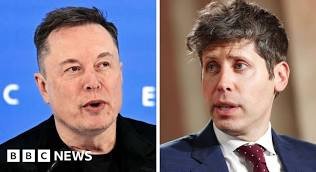
Elon Musk faces OpenAI in court over a breach of trust. The trial examines the company’s shift from non-profit goals to commercial interests.
Elon Musk and OpenAI are now locked in a high-stakes legal battle. The trial centers on whether the AI giant abandoned its founding mission. Trust serves as the primary argument for both legal teams in court. This verdict could fundamentally change how developers manage open-source technology.
The Foundation of the Dispute
Historically, Musk helped launch OpenAI as a non-profit entity to benefit humanity. He now claims the current leadership prioritizes massive profits over safety. Consequently, his lawyers are highlighting early agreements regarding open-source research and transparency. These arguments rely on the idea that Musk was swindled into donating millions.
Furthermore, the lawsuit alleges a breach of charitable trust by CEO Sam Altman. Musk’s legal team contends that the partnership with Microsoft transformed the lab into a closed-source subsidiary. Therefore, they are seeking to unwind the company’s current corporate structure. Legal experts suggest this case might redefine non-profit law in the digital age.
Emails and Public Perception
Additionally, OpenAI released old emails to counter the specific allegations made by Musk. These documents suggest that the billionaire once supported a transition to a for-profit model. For instance, some messages show Musk suggesting a merger with Tesla to maintain competitiveness. This evidence complicates the narrative of a “stolen charity” presented by the plaintiff.
Global Implications for AI Ethics
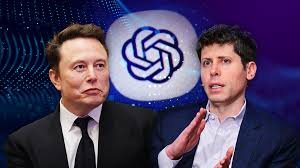
Consequently, the global tech industry is watching this case with intense interest. Many believe the outcome will influence future AI regulations across the United States. According to reports from the BBC, the verdict could impact how startups secure early-stage charitable funding. It also raises questions about whether “Artificial General Intelligence” can ever remain non-commercial.
Moreover, the Guardian notes that the trial has exposed deep personal rifts in Silicon Valley. Witnesses have described a culture of “Shakespearean” deceit and ambition behind the scenes. Because the stakes involve billions of dollars, the legal teams are fighting for every procedural advantage. The final ruling will likely face years of appeals in higher courts.
The trial is currently in the deliberation phase as the jury weighs the evidence. Judge Yvonne Gonzalez Rogers has warned both sides about the gravity of the potential remedies. If Musk wins, he plans to donate any awarded damages back to charitable causes. The world now waits to see if the soul of AI can be bought or sold.




