


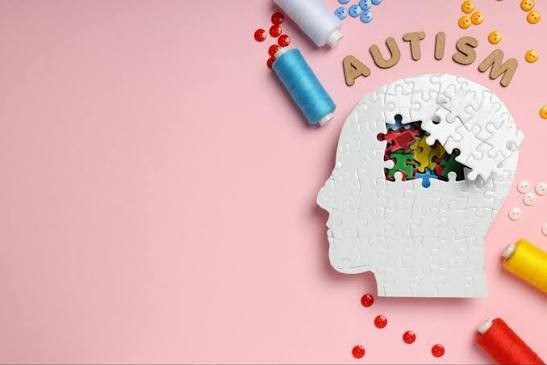
Doctors and child development experts are drawing attention to the early signs of Autism Spectrum Disorder (ASD) in children, emphasizing that early detection plays a crucial role in improving long-term outcomes through timely intervention and support.
Medical professionals explain that Autism Spectrum Disorder is a developmental condition that affects communication, behavior, and social interaction. It is called a “spectrum” because the symptoms and severity can vary widely from one child to another. Some children may show mild difficulties, while others may require significant support in daily life.
Health experts warn that many parents often overlook early signs of autism, assuming delays in development will resolve naturally over time. However, pediatricians stress that early identification is essential for effective intervention.
Doctors highlight several early warning signs that parents should watch for. These include delayed speech development, limited or no eye contact, lack of response when a child’s name is called, and reduced interest in social interaction. Other signs may include repetitive behaviors such as hand-flapping, lining up toys in a specific order, or becoming highly distressed when routines are changed.

Medical professionals also note that some children with autism may show unusual responses to sensory input. This can include being overly sensitive to loud sounds, bright lights, or certain textures, or alternatively showing little reaction to pain or environmental changes.
Health experts emphasize that early diagnosis, ideally before the age of three, can significantly improve a child’s development through therapies such as speech therapy, behavioral therapy, and occupational therapy. These interventions help children build communication skills, improve social interaction, and develop independence over time.
Pediatricians are urging parents to seek medical evaluation if they notice any developmental delays or unusual behaviors in their children. They stress that early assessment does not label a child negatively but instead opens the door to appropriate support and care.
Doctors also encourage increased awareness in communities and schools to reduce stigma surrounding autism. They explain that children with ASD can learn and thrive when given the right environment, understanding, and support systems.
In addition, health authorities are calling for improved access to diagnostic services and developmental screening, especially in low-resource areas where many cases may go undetected.
In conclusion, medical professionals stress that recognizing early signs of autism is critical for timely intervention. They warn that early support can significantly improve a child’s ability to communicate, learn, and integrate into society successfully.




