


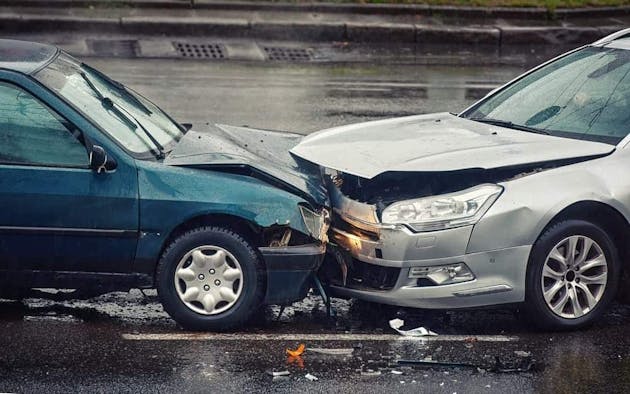
Every year, thousands of road accidents are linked to alcohol-impaired driving, yet many motorists remain unaware of how much alcohol is enough to affect their ability to drive safely. Safety experts say a major part of the problem is that drivers often rely on guesswork rather than measurable indicators of intoxication.
One of the most important indicators is Blood Alcohol Content (BAC), a scientific measure used worldwide to determine impairment levels.
Understanding BAC and Impairment Levels
BAC refers to the percentage of alcohol present in a person’s bloodstream. For example, a BAC of 0.08% means there are 0.08 grams of alcohol in every 100 millilitres of blood. While this level is the legal driving limit in many countries, research shows that impairment begins well before that threshold.
0.02–0.05%: Mild relaxation sets in, but reaction time and alertness start to decline.

0.05–0.08%: Coordination and judgment are impaired, even if the individual feels confident.
0.08% and above: Clear intoxication, including slowed reflexes and poor decision-making, significantly raising crash risk.
Above 0.15%: Severe loss of motor control and major safety danger.
Factors That Influence BAC
Medical and safety specialists note that several variables affect how quickly alcohol enters the bloodstream:
Body weight:
Individuals with higher body mass generally have lower BAC after consuming the same quantity of alcohol as lighter individuals.
Sex:
Biological differences in body composition and metabolism mean women typically reach higher BAC levels than men after equivalent drinks.
Quantity consumed:
The more alcohol ingested, the higher the BAC. A standard drink is roughly a small bottle of beer, a glass of wine, or a shot of spirits.
Time frame:
The body metabolizes about one standard drink per hour. Drinking faster than this leads to rising BAC levels.
Food intake:
Eating before or while drinking slows alcohol absorption.
Local Drinking Patterns and Risk
Alcohol strength varies widely across commonly consumed beverages. For instance, large bottles of beer can contain more than one standard drink each, meaning that two bottles consumed within a short period may already place a driver near impairment levels. Traditional drinks such as palm wine can be even harder to judge because alcohol concentration changes as fermentation progresses.
Estimating BAC
Scientists often use the Widmark formula to estimate BAC based on alcohol consumed, body weight, biological sex, and elapsed time. However, the calculation is complex and impractical for real-time decision-making, especially after drinking. Digital BAC calculators can offer rough estimates, though experts stress they are not substitutes for certified breathalyser tests.
Safety Message
Road safety authorities emphasize that the only truly safe BAC level for driving is zero. Even small amounts of alcohol can affect reaction time, coordination, and judgment factors that are critical when operating a vehicle.
With road traffic incidents already a major public safety concern, specialists warn that understanding alcohol limits and planning alternative transportation after drinking could prevent countless avoidable crashes.

