


The fast fashion industry has transformed the way people purchase, wear, and dispose of clothing, making trendy garments more affordable and accessible than ever before. New collections now appear in stores and online platforms almost every week, encouraging consumers to constantly refresh their wardrobes in pursuit of the latest styles. While this business model has created opportunities for brands to increase sales and respond quickly to changing fashion trends, it has also raised serious concerns about its long-term impact on the environment. Behind the attractive prices and rapidly changing collections lies an industry whose production methods have become one of the largest contributors to pollution, excessive resource consumption, and waste generation worldwide. Environmental experts, policymakers, and sustainability advocates continue to warn that unless significant reforms are implemented, the environmental consequences of fast fashion could become even more severe in the coming decades. According to industry observations monitored by DDM News, growing awareness among consumers is beginning to reshape conversations around responsible fashion, although major challenges remain before meaningful change can be achieved.
Fast fashion operates on a business model that emphasizes speed, affordability, and high-volume production. Designers and manufacturers closely monitor fashion trends from celebrity culture, social media, runway events, and popular entertainment before rapidly producing similar styles for mass markets. This accelerated production cycle encourages consumers to buy more clothing at lower prices, often treating garments as disposable items rather than long-term investments. While this approach has made fashion more inclusive from a pricing perspective, it has dramatically increased the demand for raw materials, manufacturing facilities, transportation networks, and retail distribution systems, all of which contribute to environmental degradation.
One of the most significant environmental concerns associated with fast fashion is its enormous consumption of natural resources. Cotton, one of the world’s most widely used natural fibers, requires vast amounts of water throughout its cultivation process. In many agricultural regions, water-intensive cotton farming has placed significant pressure on rivers, lakes, and underground water reserves. Synthetic fibers such as polyester, nylon, and acrylic, which dominate many fast fashion collections because of their affordability and durability, are manufactured from petroleum-based resources. Their production relies heavily on fossil fuels, contributing to greenhouse gas emissions while increasing dependence on non-renewable energy sources. As global demand for inexpensive clothing continues to rise, so does the strain placed on finite natural resources.
Water pollution represents another major environmental challenge linked to the fashion industry. Textile manufacturing frequently involves dyeing, bleaching, printing, and chemical finishing processes that require large quantities of water. In some manufacturing regions, untreated wastewater containing dyes, heavy metals, and toxic chemicals is discharged into rivers and streams, affecting aquatic ecosystems and threatening nearby communities that rely on these water sources for drinking, agriculture, and fishing. Although environmental regulations have strengthened in many countries, inconsistent enforcement and varying standards continue to allow pollution to persist in certain parts of the global supply chain.

Air pollution is equally concerning. Factories involved in textile production consume substantial amounts of electricity and fuel to operate machinery, generate heat, and transport goods across international markets. The industry’s heavy reliance on fossil fuels contributes significantly to carbon dioxide emissions, making fashion one of the largest industrial contributors to climate change. Shipping millions of garments across continents through air freight, cargo ships, and trucking networks further increases the industry’s carbon footprint. As consumer demand for rapid delivery grows, logistics providers face additional pressure to transport products quickly, often at greater environmental cost.
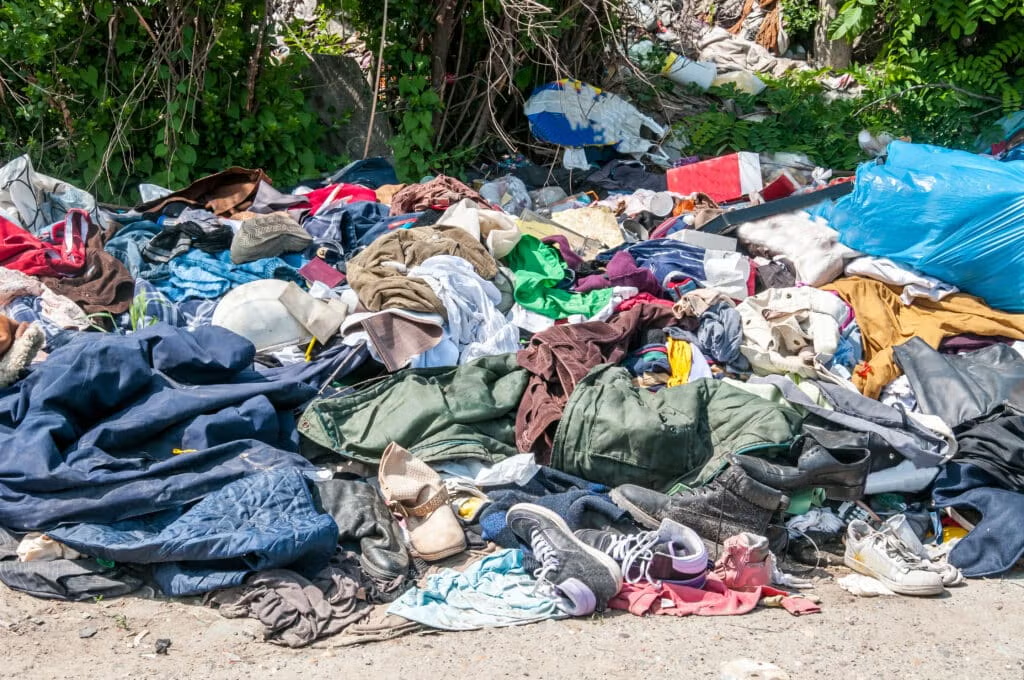
Perhaps one of the most visible consequences of fast fashion is the enormous amount of textile waste generated each year. Because inexpensive clothing is often designed to follow short-lived trends, many garments are discarded after only a few uses. Consumers may replace perfectly wearable clothing simply because styles have changed or because low-cost items lose their quality relatively quickly. Landfills around the world continue to receive millions of tons of unwanted clothing annually, much of which contains synthetic fibers that can take decades or even centuries to decompose. During this slow breakdown process, certain materials release harmful substances into the environment while occupying valuable landfill space.
Microplastic pollution has emerged as another hidden consequence of synthetic clothing. Garments made from polyester, nylon, and similar materials release microscopic plastic fibers during washing. These microplastics often pass through wastewater treatment systems and eventually enter rivers, lakes, and oceans, where they accumulate within marine ecosystems. Fish, shellfish, and other aquatic organisms may ingest these tiny particles, allowing plastics to move through food chains and raising concerns about potential impacts on wildlife and human health. Researchers continue to investigate the long-term consequences of widespread microplastic contamination, but existing evidence has already prompted calls for greater investment in sustainable textile innovation.
The environmental impact of fast fashion extends beyond pollution to include biodiversity loss. Expanding agricultural land for cotton production and clearing forests for industrial development can disrupt natural habitats, placing additional pressure on wildlife populations. Intensive farming practices may also increase pesticide and fertilizer use, affecting soil quality and surrounding ecosystems. As demand for textile fibers continues to grow, balancing agricultural productivity with environmental conservation remains a significant global challenge.
Despite these concerns, the fashion industry is beginning to embrace more sustainable practices. Many clothing brands are investing in recycled fabrics, organic cotton, biodegradable materials, and innovative textile technologies designed to reduce environmental impact. Some companies have introduced garment collection programs that encourage customers to return unwanted clothing for recycling or reuse. Others are exploring circular fashion models that prioritize repairing, reselling, renting, and recycling garments instead of relying solely on continuous new production. While these initiatives represent encouraging progress, experts caution that widespread industry transformation will require greater collaboration among manufacturers, governments, retailers, and consumers.
Consumers themselves play an increasingly important role in addressing environmental pollution associated with fast fashion. Growing public awareness has encouraged many shoppers to prioritize quality over quantity by purchasing durable clothing designed to last longer. Secondhand fashion, clothing rental services, vintage shopping, and repair culture have gained popularity as alternatives to frequent purchases of inexpensive garments. Many buyers now examine product labels more carefully, seeking information about sustainable materials, ethical manufacturing, and environmental certifications before making purchasing decisions.
Governments and international organizations are also introducing policies aimed at reducing fashion-related pollution. New regulations addressing waste management, chemical safety, recycling requirements, and corporate sustainability reporting are encouraging businesses to improve environmental performance. Investment in cleaner manufacturing technologies, renewable energy, and environmentally responsible supply chains continues to expand as policymakers recognize the industry’s influence on global climate objectives.
Technological innovation offers additional hope for reducing the environmental footprint of fashion. Scientists and entrepreneurs are developing fabrics made from agricultural waste, recycled plastics, algae, mushrooms, and laboratory-grown fibers that require fewer natural resources than conventional textiles. Advances in digital design, artificial intelligence, and on-demand manufacturing may also reduce overproduction by allowing companies to produce garments based more closely on actual consumer demand rather than speculative forecasts. These emerging technologies demonstrate that creativity can extend beyond fashion design itself to include more sustainable methods of production.
Education remains essential in promoting lasting change throughout the fashion ecosystem. Schools, universities, environmental organizations, and industry associations are increasingly highlighting the environmental costs of excessive consumption while encouraging responsible purchasing habits. Public campaigns emphasizing clothing care, repair, recycling, and sustainable shopping continue to influence consumer behavior, particularly among younger generations who often express strong interest in environmental protection.
As reported through ongoing industry coverage by DDM News, the future of fashion will depend on balancing creativity, affordability, and environmental responsibility. Fast fashion has undoubtedly transformed global retail by making stylish clothing accessible to millions, but its environmental consequences cannot be ignored. Achieving a more sustainable future will require collective action from manufacturers committed to cleaner production, governments enforcing effective environmental standards, innovators developing eco-friendly materials, and consumers making thoughtful purchasing decisions. While the challenges remain significant, the growing momentum behind sustainable fashion demonstrates that meaningful progress is possible. By embracing responsible production, reducing waste, conserving natural resources, and supporting environmentally conscious innovation, the fashion industry has an opportunity to redefine success not only through profit and style but also through its commitment to protecting the planet for future generations.




