


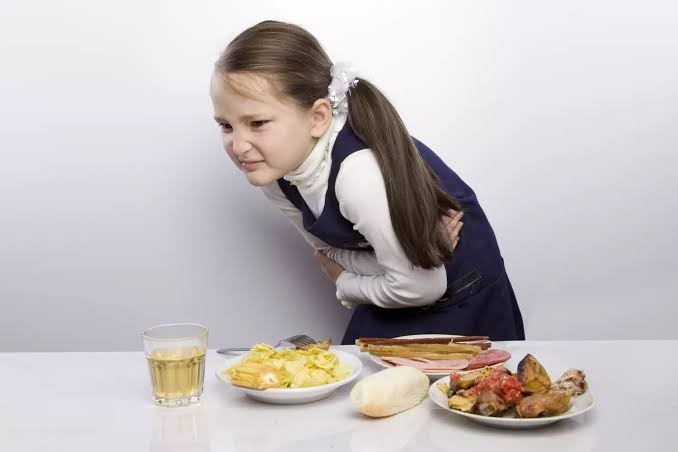
Food poisoning is one of the most common health problems worldwide, affecting millions of people each year. It occurs when a person eats or drinks contaminated food or water containing harmful bacteria, viruses, parasites, or toxins. While many cases are mild and resolve within a few days, some can become severe and lead to dehydration, hospitalization, or even death if left untreated.
Health experts say practicing good food hygiene is one of the most effective ways to reduce the risk of foodborne illnesses.
What Causes Food Poisoning?
Food poisoning can occur when food is contaminated during production, processing, preparation, or storage. Some of the most common causes include:
- Bacteria: Such as Salmonella, Escherichia coli (E. coli), Listeria, and Campylobacter.
- Viruses: Including norovirus and hepatitis A.
- Parasites: Such as Giardia and Toxoplasma.
- Toxins: Produced by certain bacteria or found naturally in some foods.
Improper handling of food, poor hygiene, undercooking, and unsafe storage temperatures all increase the risk of contamination.

Common Sources of Food Poisoning
Health authorities identify several foods that are more likely to become contaminated if not properly prepared or stored, including:
- Raw or undercooked meat and poultry.
- Raw seafood and shellfish.
- Unpasteurized milk and dairy products.
- Raw or undercooked eggs.
- Unwashed fruits and vegetables.
- Contaminated drinking water.
- Ready-to-eat foods handled with unclean hands.
Food left at room temperature for long periods also allows harmful bacteria to multiply rapidly.
Signs and Symptoms
Symptoms of food poisoning usually appear within a few hours to several days after eating contaminated food, depending on the cause.
Common symptoms include:
- Nausea.
- Vomiting.
- Diarrhea.
- Stomach cramps.
- Abdominal pain.
- Fever.
- Headache.
- Weakness and fatigue.
- Loss of appetite.
Most healthy adults recover within a few days, but symptoms may be more severe in young children, older adults, pregnant women, and people with weakened immune systems.
When Is Food Poisoning an Emergency?
Seek immediate medical attention if you experience:
- Severe dehydration.
- Bloody diarrhea.
- Persistent vomiting that prevents you from keeping fluids down.
- A high fever.
- Difficulty breathing.
- Confusion or loss of consciousness.
- Diarrhea lasting more than three days without improvement.
Children and older adults can become dehydrated more quickly and may require urgent treatment.
How Is Food Poisoning Treated?
Treatment depends on the cause and severity of the illness.
For mild cases, doctors generally recommend:
- Drinking plenty of clean water or oral rehydration solution to replace lost fluids.
- Getting adequate rest.
- Eating light, easily digestible foods once symptoms begin to improve.
- Avoiding alcohol, caffeine, spicy foods, and fatty meals until recovery.
Some bacterial infections may require antibiotics, but these should only be taken when prescribed by a healthcare professional.
How to Prevent Food Poisoning
Health experts recommend the following food safety practices:
Wash Your Hands Regularly
Always wash your hands with soap and clean water before preparing food, before eating, and after handling raw meat, poultry, seafood, or eggs.
Cook Food Thoroughly
Ensure meat, poultry, seafood, and eggs are cooked to safe temperatures to destroy harmful microorganisms.
Keep Raw and Cooked Foods Separate
Use different chopping boards and utensils for raw meat and ready-to-eat foods to prevent cross-contamination.
Wash Fruits and Vegetables
Rinse fresh produce thoroughly under clean running water before eating or cooking.
Store Food Safely
Refrigerate perishable foods promptly and avoid leaving cooked meals at room temperature for more than two hours, or one hour in very hot weather.
Drink Safe Water
Use clean, treated, or boiled water, particularly in areas where water quality may be uncertain.
Check Expiry Dates
Do not consume foods that have expired, have unusual odors, or show signs of spoilage.
Who Is Most at Risk?
Certain groups are more likely to develop severe food poisoning, including:
- Infants and young children.
- Older adults.
- Pregnant women.
- People with chronic illnesses.
- Individuals with weakened immune systems.
These groups should take extra precautions when preparing and consuming food.
Conclusion
Food poisoning is largely preventable through proper food handling, safe cooking practices, and good personal hygiene. Although many cases are mild, some infections can become serious, especially for vulnerable individuals.
By washing hands regularly, cooking food thoroughly, storing meals safely, and drinking clean water, you can significantly reduce your risk of foodborne illness. If symptoms become severe or persist, seek medical attention promptly. Safe food practices not only protect your health but also help prevent the spread of foodborne diseases within families and communities.




